THE ADVENTURE COLLECTIVE® · Independent discovery and booking for outdoor travel

Spend a day from Warsaw visiting two of World War II’s most consequential sites: the camouflaged ruins of Hitler’s Wolf’s Lair and the solemn Treblinka memorial. This private tour combines guided context with comfortable transport for a focused, reflective experience.
Spend a day from Warsaw visiting two of World War II’s most consequential sites: the camouflaged ruins of Hitler’s Wolf’s Lair and the solemn Treblinka memorial. This private tour combines guided context with comfortable transport for a focused, reflective experience.
The morning light slices through the pines as a private van pulls out of central Warsaw, trading the city’s flat skyline for the rolling, forested silence of northeastern Poland. By mid-morning the vehicle slows along rutted tracks where concrete bunkers peer from moss and birch; the Wolf's Lair sits like a fragment of a brutal logistics plan left to the woods.
Verified experiences and guided adventures in the surrounding area.
Operated by taxiGo Limo Airport Service · Warsaw, Masovian Voivodeship
The morning light slices through the pines as a private van pulls out of central Warsaw, trading the city’s flat skyline for the rolling, forested silence of northeastern Poland. By mid-morning the vehicle slows along rutted tracks where concrete bunkers peer from moss and birch; the Wolf's Lair sits like a fragment of a brutal logistics plan left to the woods.
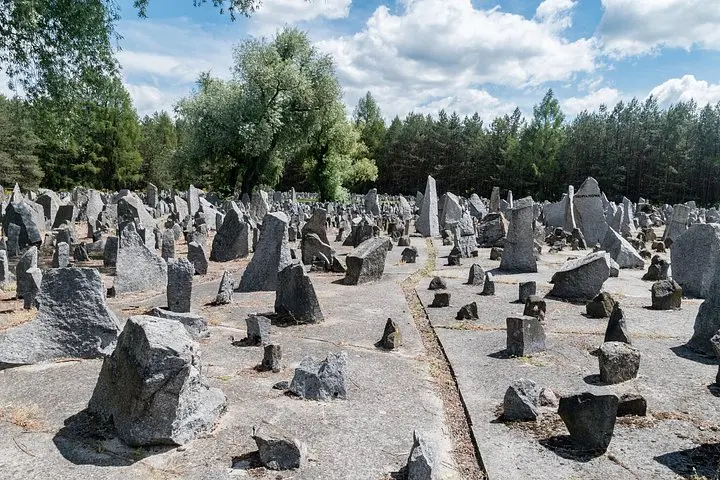
Two sites anchor the day: Wilczy Szaniec (Wolf's Lair), Adolf Hitler’s Eastern Front headquarters in the Masurian woods, and the stark, modern memorial at Treblinka where much of the Holocaust’s mechanized horror unfolded. Geologically the route moves across low glacial plains—sandy soils, kettle lakes and mixed pine-birch stands that shaped both wartime concealment and postwar memory practices.
Local culture around Kętrzyn and the Masurian Lakes retains rural rhythms: small churches, roadside markets and hospitality centered on hearty Polish fare. Guides often contextualize architecture, wartime decisions, and postwar remembrance practices, helping visitors reconcile landscape with history.
Practical guidance: expect about 8–9 hours in a private, air-conditioned vehicle with two guided site visits and roughly 3–4 miles of mostly flat walking on packed earth and boardwalks. Bring respectful clothing for memorial sites, a refillable water bottle, and layers—the forest can be cool even in summer. Photography rules vary; follow the guide’s directions at memorial areas. The tour returns to Warsaw in the evening, leaving time to reflect or visit a local café. This is a contemplative day trip—more about listening and observing than hiking, but with clear logistical comfort and deep historical resonance.
The tour picks up from your Warsaw hotel and returns to the same or another centrally agreed hotel at the end of the day.
Yes—entrance fees to Wolf's Lair and Treblinka memorial museum are included in the tour price.
The tour is marked easy, but some surfaces are uneven; guests with limited mobility should contact the operator in advance to discuss site access.
Photography is generally permitted outdoors, but treat Treblinka with restraint and follow the guide’s directions—no intrusive or disrespectful behavior.
taxiGo Limo Airport Service operates guided outdoor trips and adventures with an emphasis on safety, stewardship, and memorable experiences.
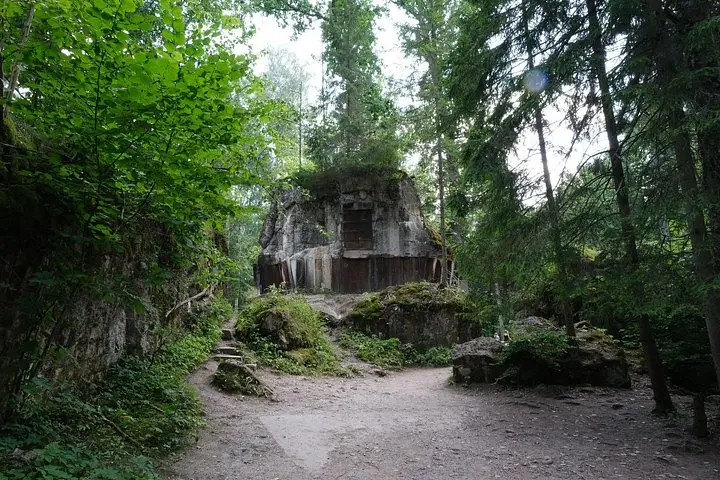
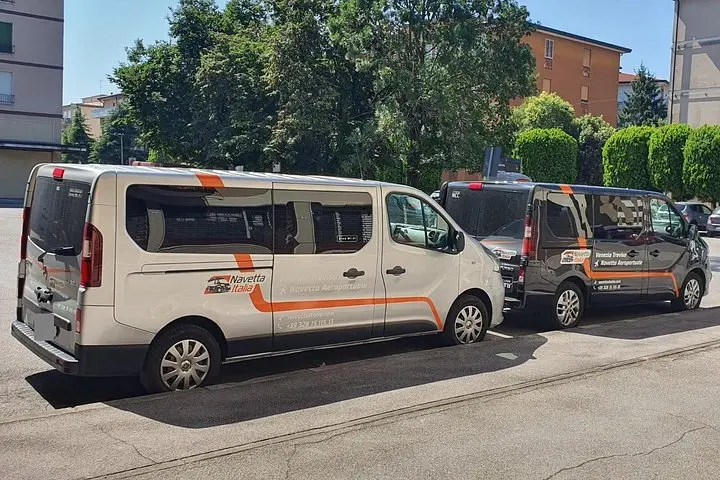
The morning light slices through the pines as a private van pulls out of central Warsaw, trading the city’s flat skyline for the rolling, forested silence of northeastern Poland. By mid-morning the vehicle slows along rutted tracks where concrete bunkers peer from moss and birch; the Wolf's Lair sits like a fragment of a brutal logistics plan left to the woods.
The morning light slices through the pines as a private van pulls out of central Warsaw, trading the city’s flat skyline for the rolling, forested silence of northeastern Poland. By mid-morning the vehicle slows along rutted tracks where concrete bunkers peer from moss and birch; the Wolf's Lair sits like a fragment of a brutal logistics plan left to the woods.
Two sites anchor the day: Wilczy Szaniec (Wolf's Lair), Adolf Hitler’s Eastern Front headquarters in the Masurian woods, and the stark, modern memorial at Treblinka where much of the Holocaust’s mechanized horror unfolded. Geologically the route moves across low glacial plains—sandy soils, kettle lakes and mixed pine-birch stands that shaped both wartime concealment and postwar memory practices.
Local culture around Kętrzyn and the Masurian Lakes retains rural rhythms: small churches, roadside markets and hospitality centered on hearty Polish fare. Guides often contextualize architecture, wartime decisions, and postwar remembrance practices, helping visitors reconcile landscape with history.
Practical guidance: expect about 8–9 hours in a private, air-conditioned vehicle with two guided site visits and roughly 3–4 miles of mostly flat walking on packed earth and boardwalks. Bring respectful clothing for memorial sites, a refillable water bottle, and layers—the forest can be cool even in summer. Photography rules vary; follow the guide’s directions at memorial areas. The tour returns to Warsaw in the evening, leaving time to reflect or visit a local café. This is a contemplative day trip—more about listening and observing than hiking, but with clear logistical comfort and deep historical resonance.