THE ADVENTURE COLLECTIVE® · Independent discovery and booking for outdoor travel

Walk the streets where lives were remade: this private 4½-hour tour visits District Six, Langa, Gugulethu memorials and a local shebeen to explain Cape Town’s apartheid legacy with local guides. Expect short walks, strong storytelling, and cultural encounters.
Walk the streets where lives were remade: this private 4½-hour tour visits District Six, Langa, Gugulethu memorials and a local shebeen to explain Cape Town’s apartheid legacy with local guides. Expect short walks, strong storytelling, and cultural encounters.
The tour begins with a vehicle pulling away from the city center, the silhouette of Table Mountain shrinking behind you as the guide sets the tone: this is a walk through recent history as much as a neighborhood visit.
Verified experiences and guided adventures in the surrounding area.
Operated by Kono tourism services · Cape Town, Western Cape
The tour begins with a vehicle pulling away from the city center, the silhouette of Table Mountain shrinking behind you as the guide sets the tone: this is a walk through recent history as much as a neighborhood visit.
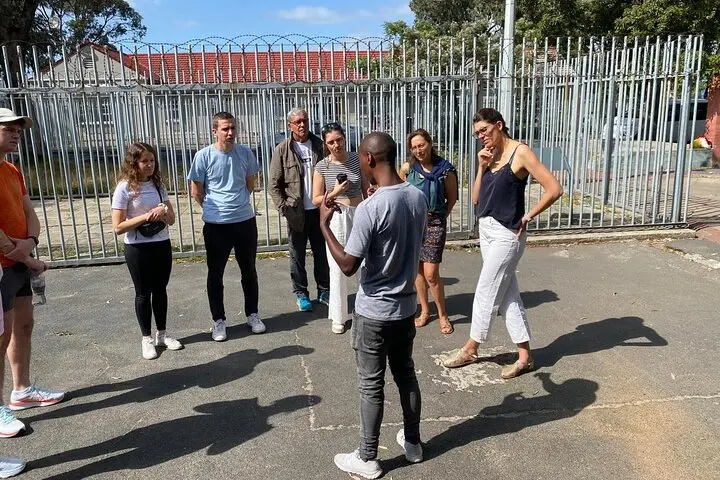
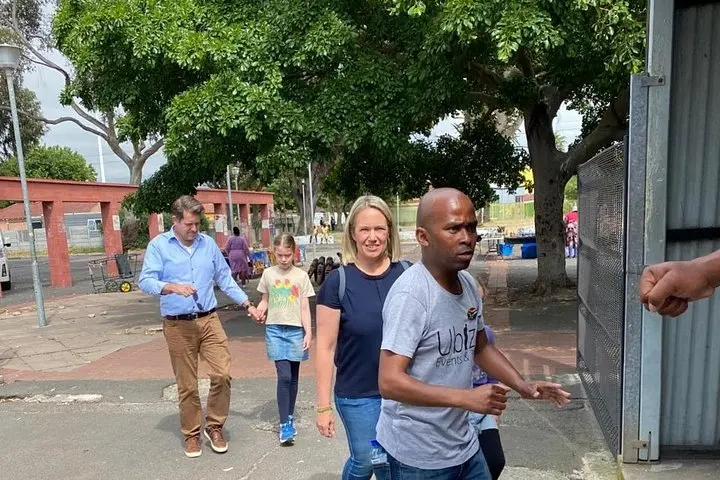
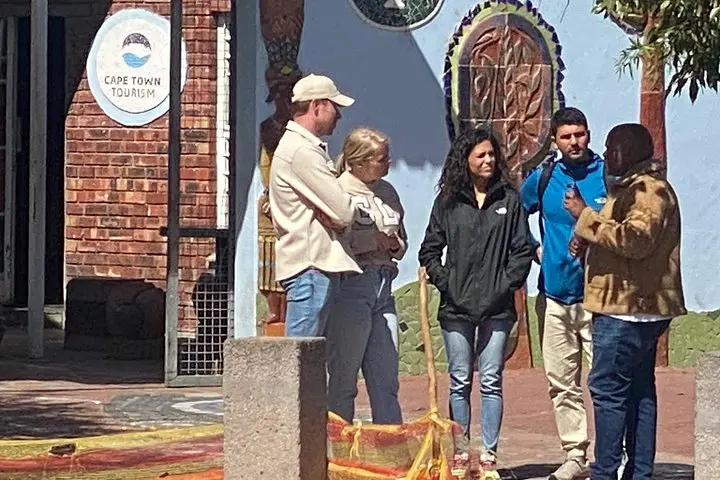
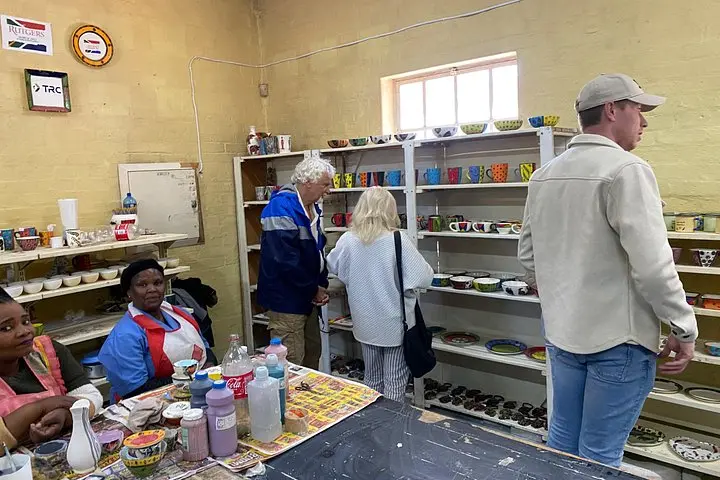
Visitors step into District Six, once a lively mixed community cleared under apartheid; walls and plaques mark where houses used to be and guide the narrative of forced removals. The route moves east to Langa — one of Cape Town’s oldest townships — where streets hum with informal markets, Guga S’thebe’s community art spaces, and the cadence of everyday life.
Geology and city form shape the experience: the Cape Flats’ sandy plain contrasts with the granite and sandstone of the mountain backdrop, and that open land is part of why townships were placed where they were. Cultural highlights include a shebeen visit to taste homemade beer and a demonstration by a traditional healer; memorials in Gugulethu recount the violent chapters of the 1980s and 1990s, including the Gugulethu 7 and the Amy Biehl memorial.
Practically, expect about 4½ hours of combined driving and walking in an air-conditioned vehicle with multiple short stops and one-to-one guide attention for small groups. Wear sturdy shoes for uneven pavements, carry water, and bring small change for local purchases and tipping. Photography is common but follow the guide’s direction and residents’ privacy wishes. The tour is accessible to a wide range of visitors and offers direct insight into how apartheid-era planning still shapes Cape Town’s urban map.
The tour runs about 4½ hours total with several short walks in each township and time spent at memorial sites and cultural centers.
The operator lists the tour as wheelchair accessible with accessible surfaces and an air-conditioned vehicle; confirm any specific mobility needs when booking.
Yes — the itinerary commonly includes a visit to a shebeen for a small tasting of traditional homemade beer; bring cash for purchases.
Be respectful: follow the guide’s directions, ask permission before photographing people, and avoid intrusive questions; local guides will frame conversations appropriately.
Kono tourism services operates guided outdoor trips and adventures with an emphasis on safety, stewardship, and memorable experiences.
The tour begins with a vehicle pulling away from the city center, the silhouette of Table Mountain shrinking behind you as the guide sets the tone: this is a walk through recent history as much as a neighborhood visit.
The tour begins with a vehicle pulling away from the city center, the silhouette of Table Mountain shrinking behind you as the guide sets the tone: this is a walk through recent history as much as a neighborhood visit.
Visitors step into District Six, once a lively mixed community cleared under apartheid; walls and plaques mark where houses used to be and guide the narrative of forced removals. The route moves east to Langa — one of Cape Town’s oldest townships — where streets hum with informal markets, Guga S’thebe’s community art spaces, and the cadence of everyday life.
Geology and city form shape the experience: the Cape Flats’ sandy plain contrasts with the granite and sandstone of the mountain backdrop, and that open land is part of why townships were placed where they were. Cultural highlights include a shebeen visit to taste homemade beer and a demonstration by a traditional healer; memorials in Gugulethu recount the violent chapters of the 1980s and 1990s, including the Gugulethu 7 and the Amy Biehl memorial.
Practically, expect about 4½ hours of combined driving and walking in an air-conditioned vehicle with multiple short stops and one-to-one guide attention for small groups. Wear sturdy shoes for uneven pavements, carry water, and bring small change for local purchases and tipping. Photography is common but follow the guide’s direction and residents’ privacy wishes. The tour is accessible to a wide range of visitors and offers direct insight into how apartheid-era planning still shapes Cape Town’s urban map.