THE ADVENTURE COLLECTIVE® · Independent discovery and booking for outdoor travel

Cook beside a local home cook in a Beirut apartment, learning mezze techniques, a fried meatball main, and a pistachio shortbread. This intimate class pairs hands-on instruction with stories of Lebanese hospitality and a shared home-cooked meal.
Cook beside a local home cook in a Beirut apartment, learning mezze techniques, a fried meatball main, and a pistachio shortbread. This intimate class pairs hands-on instruction with stories of Lebanese hospitality and a shared home-cooked meal.
Step through a narrow stairwell into a modern apartment that opens onto a river view and fragments of Roman masonry — the setting for a hands-on lesson in Lebanese home cooking. The kitchen is small and efficient; the table soon fills with warm, pungent aromas as guests chop parsley for tabbouleh and scoop smoky baba ganoush.
Verified experiences and guided adventures in the surrounding area.
Operated by Traveling Spoon · Beirut, Beirut Governorate
Step through a narrow stairwell into a modern apartment that opens onto a river view and fragments of Roman masonry — the setting for a hands-on lesson in Lebanese home cooking. The kitchen is small and efficient; the table soon fills with warm, pungent aromas as guests chop parsley for tabbouleh and scoop smoky baba ganoush.
Lebanese cuisine is rooted in Levantine techniques and communal eating: small plates, sharp lemon, olive oil, and preserved citrus. In Beirut, family recipes survive wartime and rapid urban change — hosts like Marie cook from memory and habit rather than cookbooks. Geologically the city sits where coastal plain meets limestone hills, and its food reflects coastal fish, hinterland lamb, and orchard fruits like citrus and pistachio.
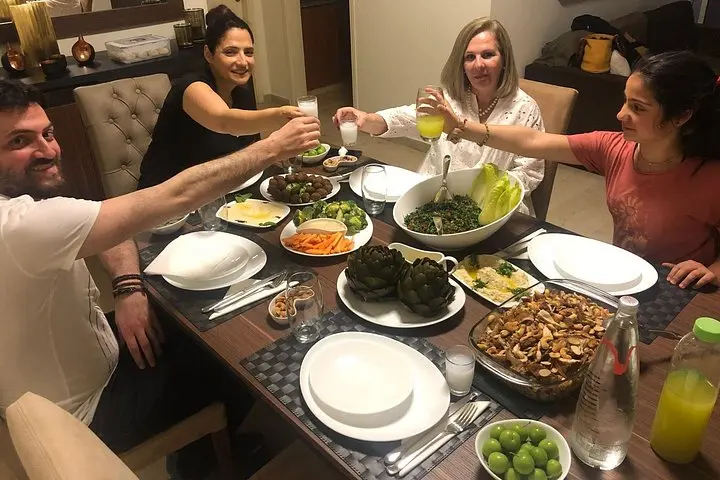
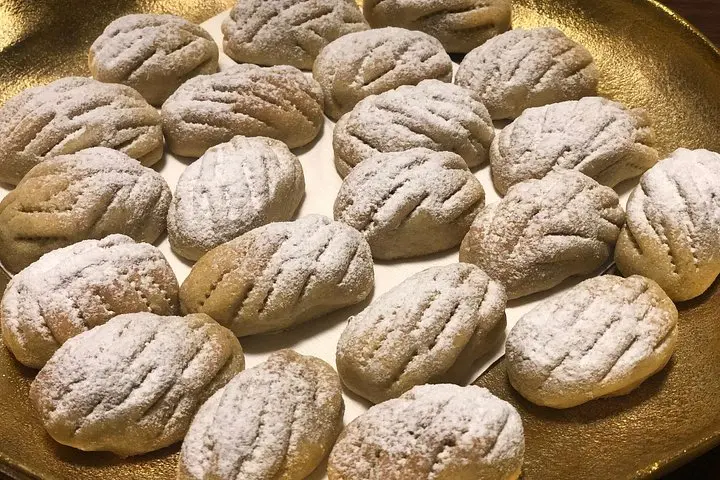
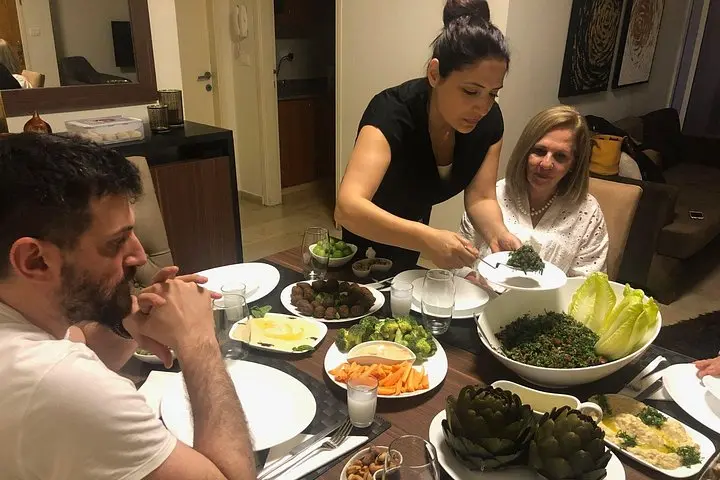
Expect a 1.5–3 hour session where you help prepare 2–3 dishes: a mezze starter, a fried meatball main with bulgur, and a pistachio shortbread perfumed with orange blossom. The lesson mixes technique (roasting eggplant over flame, balancing lemon and garlic) with stories about hospitality and everyday life in Beirut. You’ll eat at the host’s table with local wine or tea, and leave with practical tips to reproduce flavors at home.
Practical: communicate allergies ahead of booking, arrive on time, wear closed-toe shoes, and allow time for traffic when traveling from central Beirut. This is a private, beginner-friendly cultural exchange rather than a professional culinary course.
Yes — hosts typically offer vegetarian, halal, and gluten-free options when informed at booking.
You’ll help prepare 2–3 dishes (a mezze starter, a fried meatball main, and a pistachio shortbread dessert) and share the meal afterward.
Absolutely — this is a private, hands-on experience geared toward home cooks and beginners rather than professional chefs.
The experience requires manual confirmation and allows a full refund if canceled at least 24 hours prior; check your booking for specifics.
Traveling Spoon operates guided outdoor trips and adventures with an emphasis on safety, stewardship, and memorable experiences.
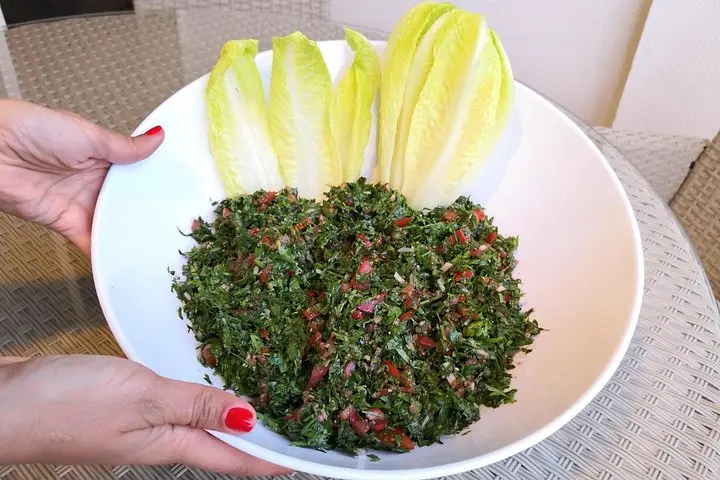
Step through a narrow stairwell into a modern apartment that opens onto a river view and fragments of Roman masonry — the setting for a hands-on lesson in Lebanese home cooking. The kitchen is small and efficient; the table soon fills with warm, pungent aromas as guests chop parsley for tabbouleh and scoop smoky baba ganoush.
Step through a narrow stairwell into a modern apartment that opens onto a river view and fragments of Roman masonry — the setting for a hands-on lesson in Lebanese home cooking. The kitchen is small and efficient; the table soon fills with warm, pungent aromas as guests chop parsley for tabbouleh and scoop smoky baba ganoush.
Lebanese cuisine is rooted in Levantine techniques and communal eating: small plates, sharp lemon, olive oil, and preserved citrus. In Beirut, family recipes survive wartime and rapid urban change — hosts like Marie cook from memory and habit rather than cookbooks. Geologically the city sits where coastal plain meets limestone hills, and its food reflects coastal fish, hinterland lamb, and orchard fruits like citrus and pistachio.
Expect a 1.5–3 hour session where you help prepare 2–3 dishes: a mezze starter, a fried meatball main with bulgur, and a pistachio shortbread perfumed with orange blossom. The lesson mixes technique (roasting eggplant over flame, balancing lemon and garlic) with stories about hospitality and everyday life in Beirut. You’ll eat at the host’s table with local wine or tea, and leave with practical tips to reproduce flavors at home.
Practical: communicate allergies ahead of booking, arrive on time, wear closed-toe shoes, and allow time for traffic when traveling from central Beirut. This is a private, beginner-friendly cultural exchange rather than a professional culinary course.