THE ADVENTURE COLLECTIVE® · Independent discovery and booking for outdoor travel

Skip lines and ride door-to-door between Baltimore and Washington with a private, English-speaking driver. Expect a clean, air-conditioned vehicle, optional child seats and roughly a one-hour transfer time—traffic permitting.
Skip lines and ride door-to-door between Baltimore and Washington with a private, English-speaking driver. Expect a clean, air-conditioned vehicle, optional child seats and roughly a one-hour transfer time—traffic permitting.
You step into a clean sedan at Baltimore’s curb; the driver lifts your bag with the kind of efficiency that becomes its own welcome. The highway unfurls westward and, between bridges and marshes, the Potomac’s hush opens toward the capital. In an hour the skyline of Washington is no longer a distant edge but an arrival point.
Verified experiences and guided adventures in the surrounding area.
Operated by taxiGo.online - Booking Transfer & Taxi · Baltimore, Maryland
You step into a clean sedan at Baltimore’s curb; the driver lifts your bag with the kind of efficiency that becomes its own welcome. The highway unfurls westward and, between bridges and marshes, the Potomac’s hush opens toward the capital. In an hour the skyline of Washington is no longer a distant edge but an arrival point.
The route between Baltimore and Washington follows historic arteries that trace early American commerce—ports, shipyards and rail lines that fed both cities’ growth. Geologically, the corridor moves from the Chesapeake’s tidal lowlands through engineered embankments and urban infill; culturally, you pass neighborhoods shaped by industry, immigrant communities and federal institutions.
A private transfer strips away the logistics and leaves the landscape: steel overpasses, river flats dotted with herons, the sudden geometry of DC’s avenues. Drivers here are familiar with event traffic—Preakness in May or a Nationals game can add time—so the promise of a nameplate meeting and flight tracking matters.
Practical guidance: allow extra time for peak commute windows and special events; expect roughly 55–75 minutes depending on traffic. Confirm child-seat needs when you book and keep ID and hotel address handy. Use the vehicle’s air conditioning and onboard Wi‑Fi to stay productive; stow luggage low for a stable ride. If you want a stop—coffee by the Inner Harbor or a quick photo at Federal Hill—ask the driver in advance. This transfer is straightforward transport, but done well it turns a corridor into a comfortable transition from one city’s rhythms to another’s.
Typical travel time is about 60 minutes, but heavy traffic, roadwork or events can extend that to 90 minutes or more—allow extra time for peak windows.
This service accommodates up to 6 passengers per booking depending on vehicle type—confirm passenger count when you book.
Yes—child and infant seats are available on request; you should specify age and number of seats needed when booking.
Yes—drivers track scheduled flights to adjust pickup times for delays, but always confirm your flight number when booking.
taxiGo.online - Booking Transfer & Taxi operates guided outdoor trips and adventures with an emphasis on safety, stewardship, and memorable experiences.
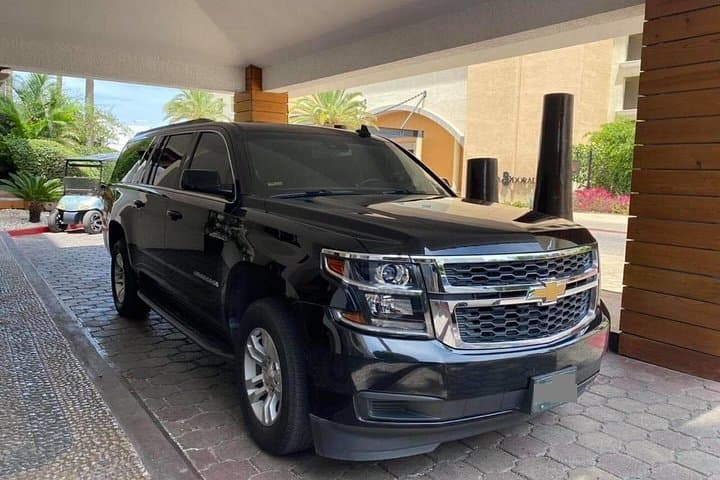
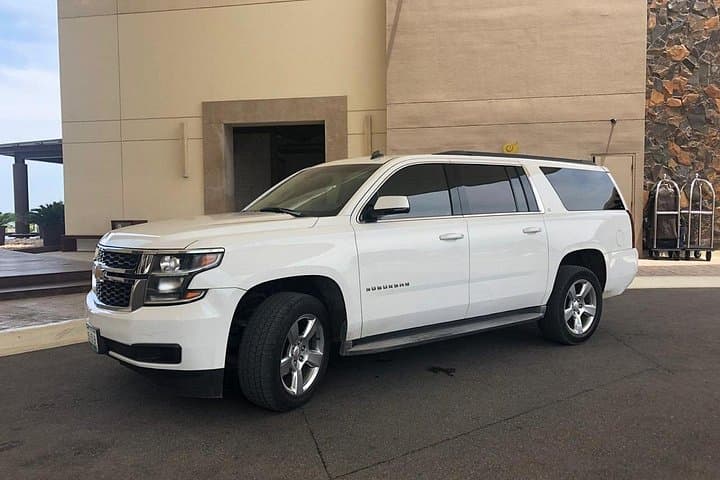
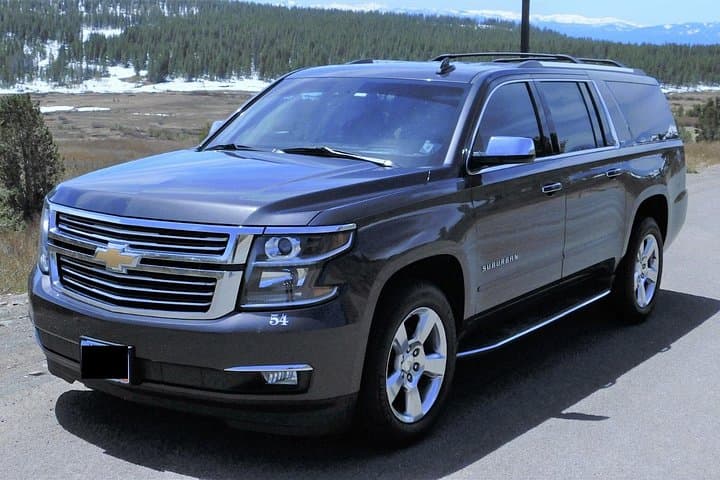
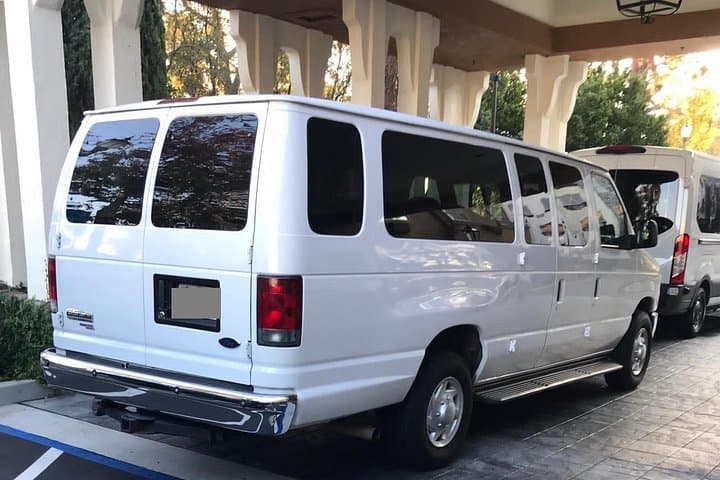
You step into a clean sedan at Baltimore’s curb; the driver lifts your bag with the kind of efficiency that becomes its own welcome. The highway unfurls westward and, between bridges and marshes, the Potomac’s hush opens toward the capital. In an hour the skyline of Washington is no longer a distant edge but an arrival point.
You step into a clean sedan at Baltimore’s curb; the driver lifts your bag with the kind of efficiency that becomes its own welcome. The highway unfurls westward and, between bridges and marshes, the Potomac’s hush opens toward the capital. In an hour the skyline of Washington is no longer a distant edge but an arrival point.
The route between Baltimore and Washington follows historic arteries that trace early American commerce—ports, shipyards and rail lines that fed both cities’ growth. Geologically, the corridor moves from the Chesapeake’s tidal lowlands through engineered embankments and urban infill; culturally, you pass neighborhoods shaped by industry, immigrant communities and federal institutions.
A private transfer strips away the logistics and leaves the landscape: steel overpasses, river flats dotted with herons, the sudden geometry of DC’s avenues. Drivers here are familiar with event traffic—Preakness in May or a Nationals game can add time—so the promise of a nameplate meeting and flight tracking matters.
Practical guidance: allow extra time for peak commute windows and special events; expect roughly 55–75 minutes depending on traffic. Confirm child-seat needs when you book and keep ID and hotel address handy. Use the vehicle’s air conditioning and onboard Wi‑Fi to stay productive; stow luggage low for a stable ride. If you want a stop—coffee by the Inner Harbor or a quick photo at Federal Hill—ask the driver in advance. This transfer is straightforward transport, but done well it turns a corridor into a comfortable transition from one city’s rhythms to another’s.