THE ADVENTURE COLLECTIVE® · Independent discovery and booking for outdoor travel

A quick, private ride between Bozeman Yellowstone International Airport and Livingston offers scenic valley views and direct access to Paradise Valley. This guide covers what to expect on the road, local context, and practical tips to make the transfer smooth.
A quick, private ride between Bozeman Yellowstone International Airport and Livingston offers scenic valley views and direct access to Paradise Valley. This guide covers what to expect on the road, local context, and practical tips to make the transfer smooth.
You step out of the baggage hall and Montana air—cold in winter, clean and bright in summer—meets you. The driver waits curbside, a black car humming softly, the gateway between Bozeman Yellowstone International Airport and the snug streets of Livingston. As the vehicle pulls onto I-90 and threads past the wide Gallatin Valley, the landscape opens: river corridors, basalt-capped ridges, and the long sweep of the Bridger Range keeping watch.
Verified experiences and guided adventures in the surrounding area.
Operated by Lone Mountain Logistics · Livingston, MT
You step out of the baggage hall and Montana air—cold in winter, clean and bright in summer—meets you. The driver waits curbside, a black car humming softly, the gateway between Bozeman Yellowstone International Airport and the snug streets of Livingston. As the vehicle pulls onto I-90 and threads past the wide Gallatin Valley, the landscape opens: river corridors, basalt-capped ridges, and the long sweep of the Bridger Range keeping watch.
Livingston grew up as the railroad gateway to Yellowstone in the late 19th century; the town’s brick storefronts and train-yard memory speak to that era. Geologically the route crosses the Yellowstone River corridor and Bozeman Pass—layers of sedimentary rock carved by ancient rivers, now giving way to fertile valley soils and dramatic roadside outcrops. Culturally, Livingston is a fly-fishing and arts hub: outfitters, galleries, and taverns line Main Street, and Paradise Valley’s hot springs and ranchland spill south toward the Yellowstone.
A private transfer here is more than point-to-point logistics: it’s a flexible, accessible way to move through a landscape shaped by water and rail. Expect roughly 35 miles and about an hour drive without stops; allow longer for weather or scenic pullouts. Practical notes: confirm your flight and phone number, pack layers for sudden temperature swings, and ask about child seats or wheelchair needs when you book. In winter, expect snow-clearance delays and slower speeds; in summer, allow extra time for festival and seasonal traffic. Drivers usually accept cash or card; tipping is customary. This transfer is straightforward, reliable, and designed to get you from airport to riverside town with minimal fuss and maximum local context.
Typical drive time is about 45–60 minutes without stops; allow up to 90–120 minutes for winter conditions or traffic.
Yes—infant seats and wheelchair-accessible vehicles are listed as available; request them at booking so the operator can prepare.
Provide your updated flight number; drivers monitor arrivals and will meet you based on actual landing times—still confirm your phone is on for texts.
Private transfers are flexible—ask the operator when booking about adding timed stops; extra fees or time limits may apply.
Lone Mountain Logistics operates guided outdoor trips and adventures with an emphasis on safety, stewardship, and memorable experiences.
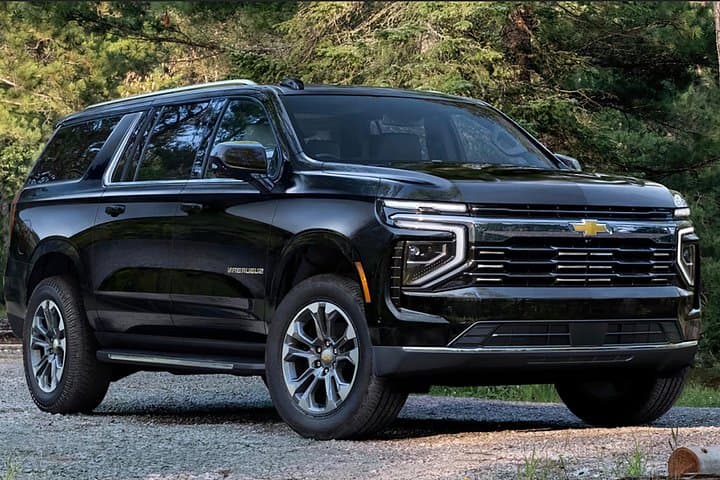
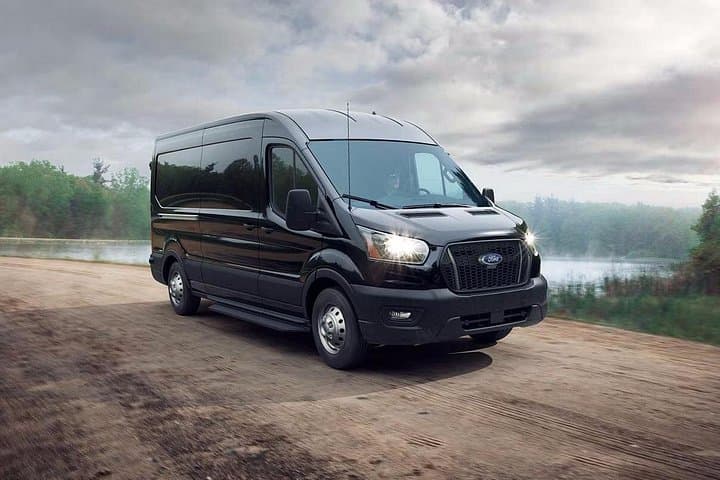
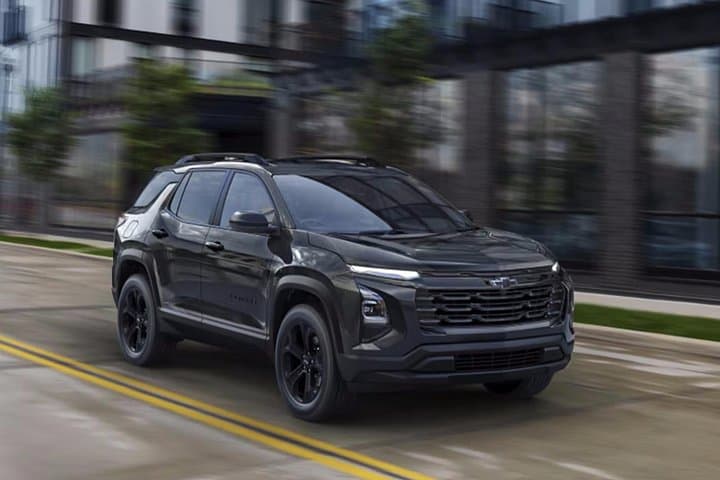
You step out of the baggage hall and Montana air—cold in winter, clean and bright in summer—meets you. The driver waits curbside, a black car humming softly, the gateway between Bozeman Yellowstone International Airport and the snug streets of Livingston. As the vehicle pulls onto I-90 and threads past the wide Gallatin Valley, the landscape opens: river corridors, basalt-capped ridges, and the long sweep of the Bridger Range keeping watch.
You step out of the baggage hall and Montana air—cold in winter, clean and bright in summer—meets you. The driver waits curbside, a black car humming softly, the gateway between Bozeman Yellowstone International Airport and the snug streets of Livingston. As the vehicle pulls onto I-90 and threads past the wide Gallatin Valley, the landscape opens: river corridors, basalt-capped ridges, and the long sweep of the Bridger Range keeping watch.
Livingston grew up as the railroad gateway to Yellowstone in the late 19th century; the town’s brick storefronts and train-yard memory speak to that era. Geologically the route crosses the Yellowstone River corridor and Bozeman Pass—layers of sedimentary rock carved by ancient rivers, now giving way to fertile valley soils and dramatic roadside outcrops. Culturally, Livingston is a fly-fishing and arts hub: outfitters, galleries, and taverns line Main Street, and Paradise Valley’s hot springs and ranchland spill south toward the Yellowstone.
A private transfer here is more than point-to-point logistics: it’s a flexible, accessible way to move through a landscape shaped by water and rail. Expect roughly 35 miles and about an hour drive without stops; allow longer for weather or scenic pullouts. Practical notes: confirm your flight and phone number, pack layers for sudden temperature swings, and ask about child seats or wheelchair needs when you book. In winter, expect snow-clearance delays and slower speeds; in summer, allow extra time for festival and seasonal traffic. Drivers usually accept cash or card; tipping is customary. This transfer is straightforward, reliable, and designed to get you from airport to riverside town with minimal fuss and maximum local context.