THE ADVENTURE COLLECTIVE® · Independent discovery and booking for outdoor travel

Skip the crowded shuttles: private transfers between Dover Cruise Port and London Luton Airport provide door‑to‑door comfort, accessibility, and predictable timing. Learn what to expect on the 2–2.5 hour coastal‑to‑city run and how to plan for luggage, meeting points, and peak traffic.
Skip the crowded shuttles: private transfers between Dover Cruise Port and London Luton Airport provide door‑to‑door comfort, accessibility, and predictable timing. Learn what to expect on the 2–2.5 hour coastal‑to‑city run and how to plan for luggage, meeting points, and peak traffic.
The sea air still clings to your jacket as a driver waits with your name on a clear card beneath the Dover cruise terminal canopy. The white cliffs stand like a pale challenge behind you; inside the vehicle the ride is calm, climate‑controlled, and set to cross the south‑east of England toward London Luton Airport.
Verified experiences and guided adventures in the surrounding area.
Operated by Tourope UK · Dover, Kent
The sea air still clings to your jacket as a driver waits with your name on a clear card beneath the Dover cruise terminal canopy. The white cliffs stand like a pale challenge behind you; inside the vehicle the ride is calm, climate‑controlled, and set to cross the south‑east of England toward London Luton Airport.
Dover’s port has been a gateway for centuries—Roman arrivals, medieval cross‑Channel trade, and a pivotal World War II embarkation point. Geologically, you travel away from the chalk cliffs that carved this coastline into steep faces, moving inland across rolling Kent farmland and the low Greensand ridges before the suburban sprawl of Greater London appears. Culturally, the route threads sleepy coastal villages and commuter towns where pubs and railway stations have long linked sea and city.
Practically, expect 2–2.5 hours depending on traffic and ferry disembarkation. Vehicles range from saloon cars to minibuses; drivers handle luggage, accessibility needs, and meet‑and‑greet at arrival halls. Bring valid ID, confirm passenger and suitcase counts 24 hours ahead, and have flight/cruise times on hand to smooth timing.
For travelers the transfer is about reliability: planning around peak commute windows, allowing buffer for customs or ferry queues, and choosing a vehicle size that leaves room for surfboards or oversized cases. If you want a quieter ride, request a direct route with minimal stops. This is a practical, low‑stress way to close a coastal chapter and roll calmly into the next leg of your journey.
Drivers typically meet inside the arrival hall or directly at the exit holding a name card; confirm exact meeting point on your voucher.
Scheduled time is about 125–140 minutes (roughly 2–2.5 hours), but traffic and ferry disembarkation can extend the journey.
Yes—operators offer infant seats and wheelchair‑accessible vehicles; you must note this when booking and reconfirm 24 hours ahead.
This service is sold as all‑sales‑final—no refunds are available, so review times and passenger details before booking.
Tourope UK operates guided outdoor trips and adventures with an emphasis on safety, stewardship, and memorable experiences.
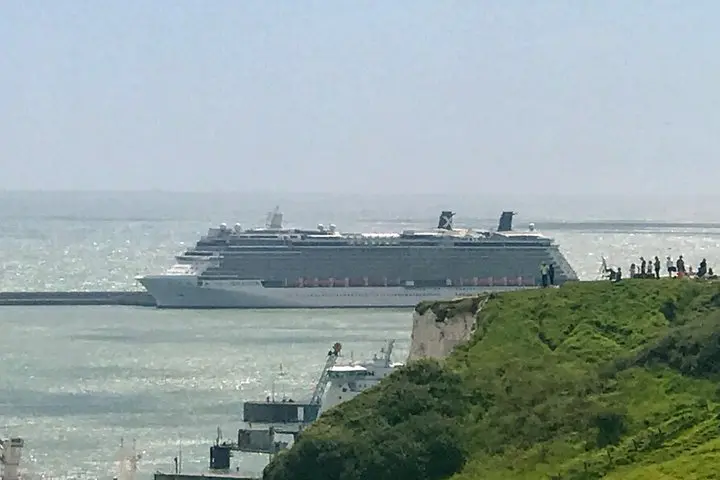
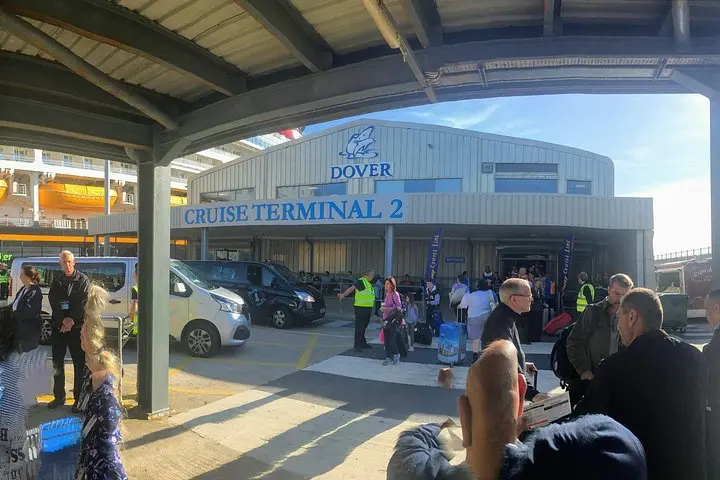
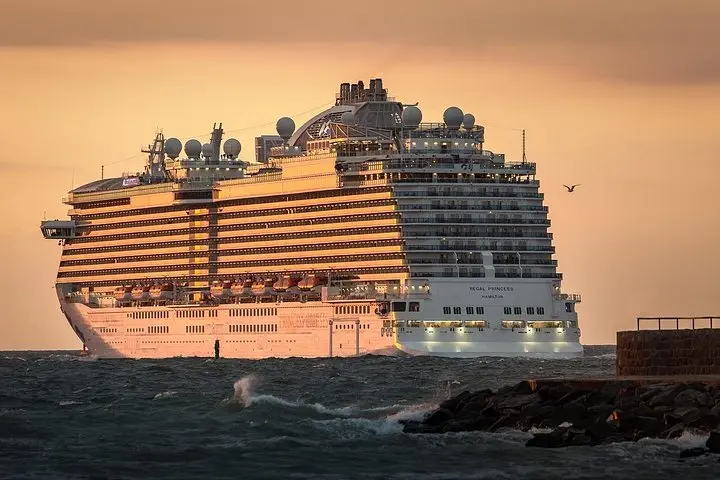
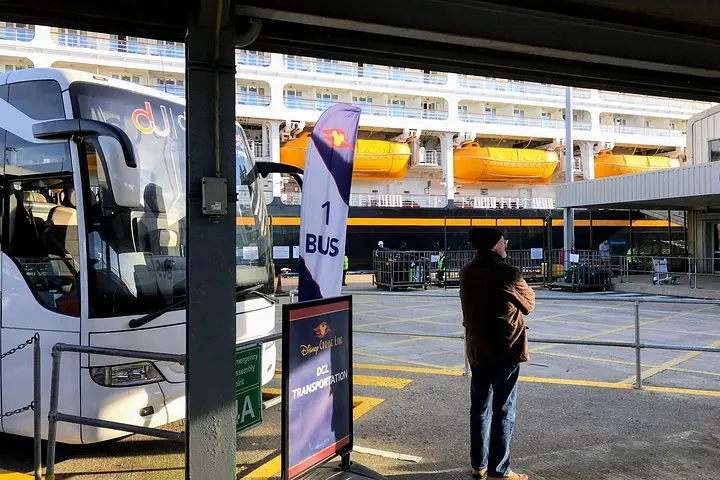
The sea air still clings to your jacket as a driver waits with your name on a clear card beneath the Dover cruise terminal canopy. The white cliffs stand like a pale challenge behind you; inside the vehicle the ride is calm, climate‑controlled, and set to cross the south‑east of England toward London Luton Airport.
The sea air still clings to your jacket as a driver waits with your name on a clear card beneath the Dover cruise terminal canopy. The white cliffs stand like a pale challenge behind you; inside the vehicle the ride is calm, climate‑controlled, and set to cross the south‑east of England toward London Luton Airport.
Dover’s port has been a gateway for centuries—Roman arrivals, medieval cross‑Channel trade, and a pivotal World War II embarkation point. Geologically, you travel away from the chalk cliffs that carved this coastline into steep faces, moving inland across rolling Kent farmland and the low Greensand ridges before the suburban sprawl of Greater London appears. Culturally, the route threads sleepy coastal villages and commuter towns where pubs and railway stations have long linked sea and city.
Practically, expect 2–2.5 hours depending on traffic and ferry disembarkation. Vehicles range from saloon cars to minibuses; drivers handle luggage, accessibility needs, and meet‑and‑greet at arrival halls. Bring valid ID, confirm passenger and suitcase counts 24 hours ahead, and have flight/cruise times on hand to smooth timing.
For travelers the transfer is about reliability: planning around peak commute windows, allowing buffer for customs or ferry queues, and choosing a vehicle size that leaves room for surfboards or oversized cases. If you want a quieter ride, request a direct route with minimal stops. This is a practical, low‑stress way to close a coastal chapter and roll calmly into the next leg of your journey.