THE ADVENTURE COLLECTIVE® · Independent discovery and booking for outdoor travel

Make the 3–4 hour drive from Arenal/La Fortuna to Playa Conchal in a private, air‑conditioned van with room for five. Expect scenic transitions from volcanic highlands to dry coastal forest and flexible stops for photos, snacks, or short detours.
Make the 3–4 hour drive from Arenal/La Fortuna to Playa Conchal in a private, air‑conditioned van with room for five. Expect scenic transitions from volcanic highlands to dry coastal forest and flexible stops for photos, snacks, or short detours.
You slide into a reclining seat as the van eases away from the shadow of Arenal’s cone and the highway unfurls toward the Pacific. Windows frame a changing country: emerald rainforest gives way to patchwork cattle pasture, then the telltale gray-green of Guanacaste dry forest. The driver points out a roadside farm, locals wave, and the ocean scent arrives long before the tires meet sand.
Verified experiences and guided adventures in the surrounding area.
Operated by GTC Costa Rica · La Fortuna, Alajuela
You slide into a reclining seat as the van eases away from the shadow of Arenal’s cone and the highway unfurls toward the Pacific. Windows frame a changing country: emerald rainforest gives way to patchwork cattle pasture, then the telltale gray-green of Guanacaste dry forest. The driver points out a roadside farm, locals wave, and the ocean scent arrives long before the tires meet sand.
This corridor links two distinct Costa Rican geographies: the volcanic highlands around Arenal, shaped by andesitic lava and hot springs, and the carbonate beaches of the Nicoya Peninsula where shell fragments form Playa Conchal’s pale sand. The region’s history is rugged — Guanacaste voted to join Costa Rica in 1824 — and the culture remains quietly rural: roadside sodas serving casado, cowboys (guanacos) tending cattle, and bilingual guides who bridge international visitors with local knowledge.
Practically, expect 3–4 hours depending on traffic and stops. Private transfers prioritize comfort: air-conditioned vans, reclining seats, bottled water and the option to pause for photos, markets or bathrooms. Drivers commonly follow paved routes but may use rural stretches; the company disinfects vehicles and provides wipes and sanitizer.
Plan for sun exposure on arrival, bring a daypack for beach gear, and schedule pickups allowing a 30-minute buffer. If mobility needs exist, confirm wheelchair-accessible vehicle ahead of time. This transfer isn’t just a ride — it’s a moving introduction to Costa Rica’s shifting landscapes, delivered with local know-how and practical service.
Typical travel time is 3–4 hours; exact duration depends on traffic, road conditions and any requested stops.
Yes — private transfers usually allow planned or agreed stops; mention preferences when booking or communicate with the driver on board.
The service lists wheelchair‑accessible options; confirm specific vehicle type and mobility requirements when you reserve.
Vans accommodate standard luggage for up to five passengers; if you have oversized items or many bags, notify the operator in advance to ensure space.
GTC Costa Rica operates guided outdoor trips and adventures with an emphasis on safety, stewardship, and memorable experiences.
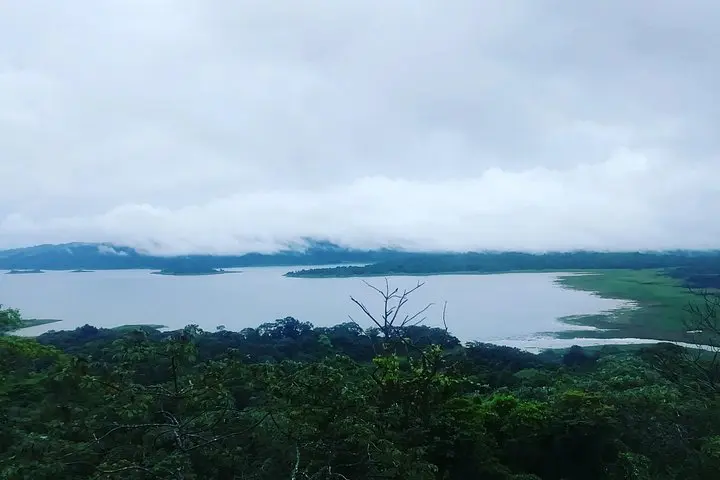
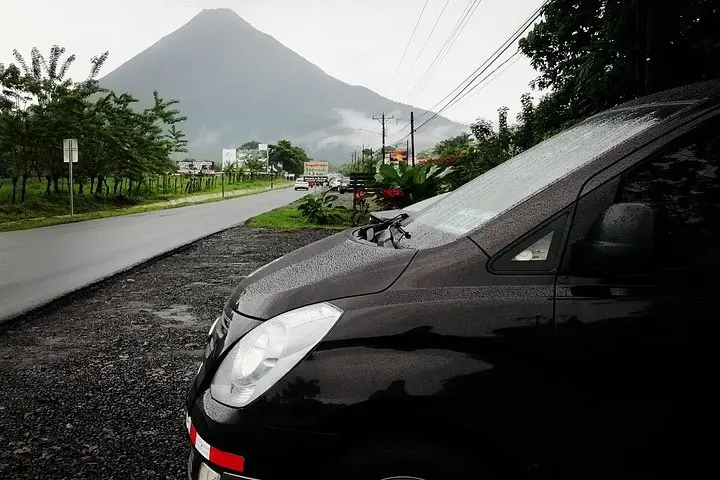
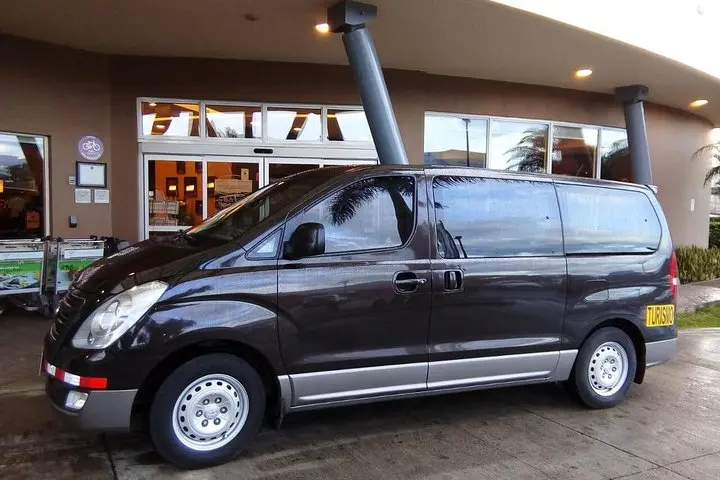
You slide into a reclining seat as the van eases away from the shadow of Arenal’s cone and the highway unfurls toward the Pacific. Windows frame a changing country: emerald rainforest gives way to patchwork cattle pasture, then the telltale gray-green of Guanacaste dry forest. The driver points out a roadside farm, locals wave, and the ocean scent arrives long before the tires meet sand.
You slide into a reclining seat as the van eases away from the shadow of Arenal’s cone and the highway unfurls toward the Pacific. Windows frame a changing country: emerald rainforest gives way to patchwork cattle pasture, then the telltale gray-green of Guanacaste dry forest. The driver points out a roadside farm, locals wave, and the ocean scent arrives long before the tires meet sand.
This corridor links two distinct Costa Rican geographies: the volcanic highlands around Arenal, shaped by andesitic lava and hot springs, and the carbonate beaches of the Nicoya Peninsula where shell fragments form Playa Conchal’s pale sand. The region’s history is rugged — Guanacaste voted to join Costa Rica in 1824 — and the culture remains quietly rural: roadside sodas serving casado, cowboys (guanacos) tending cattle, and bilingual guides who bridge international visitors with local knowledge.
Practically, expect 3–4 hours depending on traffic and stops. Private transfers prioritize comfort: air-conditioned vans, reclining seats, bottled water and the option to pause for photos, markets or bathrooms. Drivers commonly follow paved routes but may use rural stretches; the company disinfects vehicles and provides wipes and sanitizer.
Plan for sun exposure on arrival, bring a daypack for beach gear, and schedule pickups allowing a 30-minute buffer. If mobility needs exist, confirm wheelchair-accessible vehicle ahead of time. This transfer isn’t just a ride — it’s a moving introduction to Costa Rica’s shifting landscapes, delivered with local know-how and practical service.