THE ADVENTURE COLLECTIVE® · Independent discovery and booking for outdoor travel

Skip the public‑transport scramble: a licensed driver meets you at New Chitose Airport and delivers you to Sapporo with luggage assistance and meet‑and‑greet service. Expect a reliable, wheelchair‑accessible private transfer—ideal for first arrivals, families and travelers with tight schedules.
Skip the public‑transport scramble: a licensed driver meets you at New Chitose Airport and delivers you to Sapporo with luggage assistance and meet‑and‑greet service. Expect a reliable, wheelchair‑accessible private transfer—ideal for first arrivals, families and travelers with tight schedules.
You step into the arrival hall and the air smells of cold metal and distant cedar; a driver stands steady among the crowd, a sign with your name held like a small flag. The car hums outside, warm against Hokkaido's cool breeze, ready to thread the highway between New Chitose Airport and Sapporo.
Verified experiences and guided adventures in the surrounding area.
Operated by Hokkaido Treasure Island Travel Inc. · Chitose, Hokkaido
You step into the arrival hall and the air smells of cold metal and distant cedar; a driver stands steady among the crowd, a sign with your name held like a small flag. The car hums outside, warm against Hokkaido's cool breeze, ready to thread the highway between New Chitose Airport and Sapporo.
This short corridor of road crosses the Ishikari Plain and skirts volcanic foothills carved by ancient eruptions; to the west, Mount Moiwa and the Okurayama ski jump puncture the skyline. Chitose Airport (opened in its current form in the late 1980s) is the modern portal to a region shaped by ice, lava and sea. Cultural threads are close at hand — ramen counters, onsen steam and Ainu place names — reminders that Sapporo blends urban energy with island‑edge nature.
For travelers, the transfer is a pragmatic transition: drivers are licensed, vehicles air‑conditioned and meet‑and‑greet is standard. Expect variable drive times depending on traffic and weather; winter snow will slow progress while spring and autumn offer clearer roads and views. Operators often request precise pickup and flight details and may limit oversized skis or boards — communicate luggage dimensions in advance.
Practical tips: have your hotel name and address in Japanese ready, keep travel documents accessible and allow extra time for immigration. Wheelchair access and infant seats are typically available; confirm language needs in advance since drivers may have limited English. This route is less about the miles and more about a calm handoff from airport logistics to Sapporo’s streets — efficient, direct and designed to start your Hokkaido visit without friction.
Drive time typically ranges 40–90 minutes depending on destination in Sapporo, traffic and weather; allow extra time in winter.
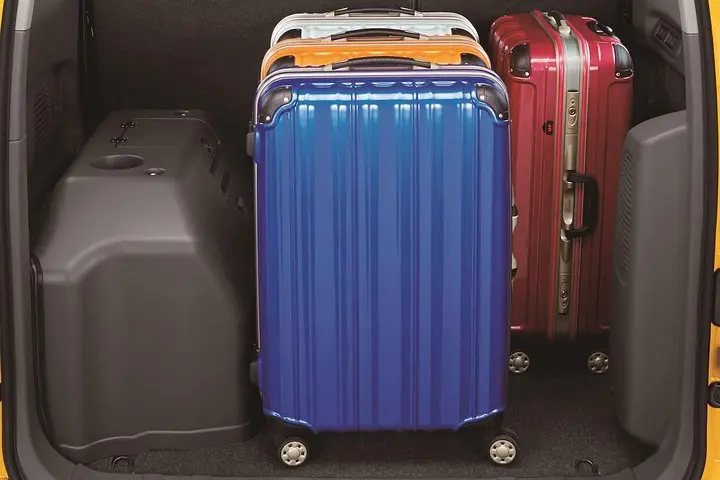
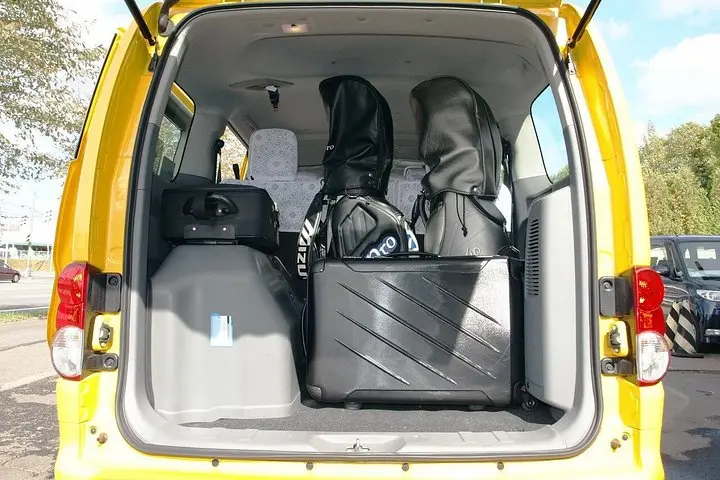
Inform the operator of oversized items in advance—some vehicles have space, but very long items like snowboards over 75 cm may not fit.
Yes; infant seats and wheelchair‑accessible vehicles are listed as available—request them when booking to ensure availability.
The operator monitors arrival changes and will adjust pickup time or provide a refund per the cancellation policy—notify them of any major changes as early as possible.
Hokkaido Treasure Island Travel Inc. operates guided outdoor trips and adventures with an emphasis on safety, stewardship, and memorable experiences.
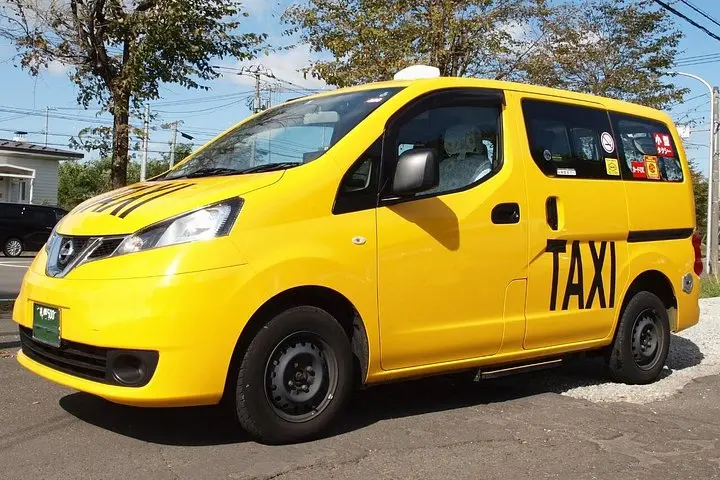
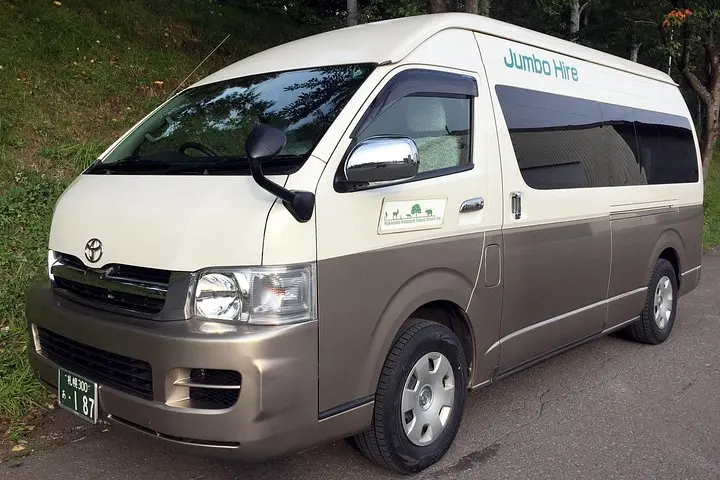
You step into the arrival hall and the air smells of cold metal and distant cedar; a driver stands steady among the crowd, a sign with your name held like a small flag. The car hums outside, warm against Hokkaido's cool breeze, ready to thread the highway between New Chitose Airport and Sapporo.
You step into the arrival hall and the air smells of cold metal and distant cedar; a driver stands steady among the crowd, a sign with your name held like a small flag. The car hums outside, warm against Hokkaido's cool breeze, ready to thread the highway between New Chitose Airport and Sapporo.
This short corridor of road crosses the Ishikari Plain and skirts volcanic foothills carved by ancient eruptions; to the west, Mount Moiwa and the Okurayama ski jump puncture the skyline. Chitose Airport (opened in its current form in the late 1980s) is the modern portal to a region shaped by ice, lava and sea. Cultural threads are close at hand — ramen counters, onsen steam and Ainu place names — reminders that Sapporo blends urban energy with island‑edge nature.
For travelers, the transfer is a pragmatic transition: drivers are licensed, vehicles air‑conditioned and meet‑and‑greet is standard. Expect variable drive times depending on traffic and weather; winter snow will slow progress while spring and autumn offer clearer roads and views. Operators often request precise pickup and flight details and may limit oversized skis or boards — communicate luggage dimensions in advance.
Practical tips: have your hotel name and address in Japanese ready, keep travel documents accessible and allow extra time for immigration. Wheelchair access and infant seats are typically available; confirm language needs in advance since drivers may have limited English. This route is less about the miles and more about a calm handoff from airport logistics to Sapporo’s streets — efficient, direct and designed to start your Hokkaido visit without friction.