THE ADVENTURE COLLECTIVE® · Independent discovery and booking for outdoor travel

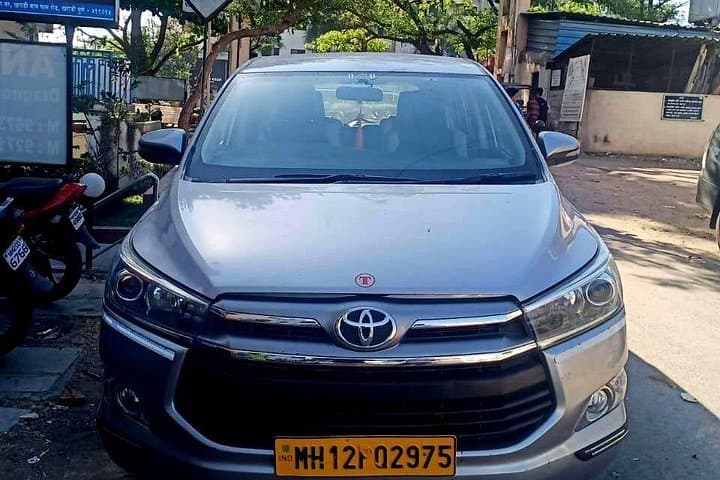
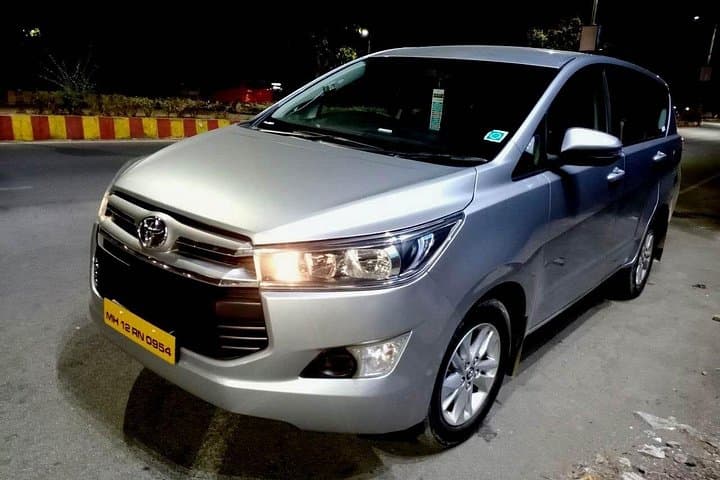
A private, sanitized car carries you from Pune across the Western Ghats corridor to Mumbai in about 4–5 hours. Expect flexible pickups, highway views near Lonavala, and practical tips for avoiding peak traffic.
A private, sanitized car carries you from Pune across the Western Ghats corridor to Mumbai in about 4–5 hours. Expect flexible pickups, highway views near Lonavala, and practical tips for avoiding peak traffic.
The car hums onto NH48 and the plateau opens beneath the windshield: scrubby Deccan fields give way to rolling Sahyadri ridges, then the plains peel away toward the Arabian Sea.
Verified experiences and guided adventures in the surrounding area.
Operated by TripBea · Pune, Maharashtra
The car hums onto NH48 and the plateau opens beneath the windshield: scrubby Deccan fields give way to rolling Sahyadri ridges, then the plains peel away toward the Arabian Sea.
This private Pune-to-Mumbai transfer is a straightforward door-to-door passage across roughly 150–170 km of mixed highway — expect 4–5 hours depending on traffic. The route threads past Lonavala and Khandala, where basalt cliffs and passing cloudbanks often interrupt the monotony of the freeway and hint at the Western Ghats’ volcanic past.
Pune and Mumbai sit at different edges of Maharashtra’s modern story: Pune’s military and academic roots, Mumbai’s port and commerce legacy. Travelers ride a corridor shaped by colonial roads and modern expressways, crossing landscapes that shift from Deccan plateau soils to the coastal plain near Mumbai.
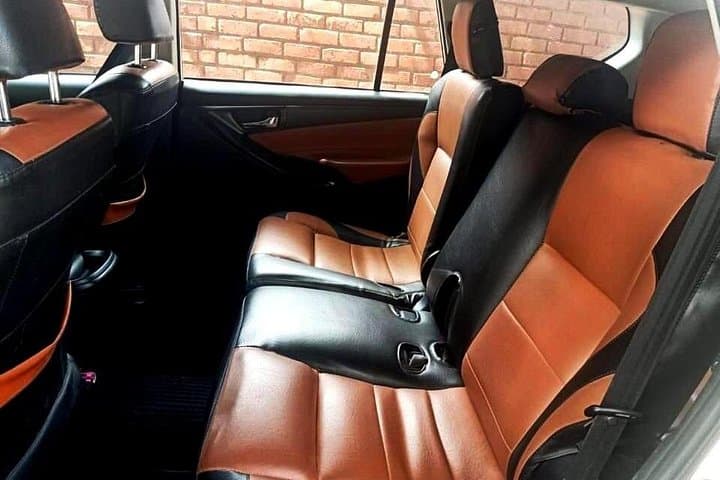
Practically, this is about comfort and timing. Vehicles are air-conditioned and sanitized between trips; drivers typically observe simple safety protocols. Pack a light layer, phone charger, and reusable bottle. Plan departures outside Chennai–Mumbai commuter windows — mornings and late evenings cut through traffic best — and allow buffer time for tolls or unexpected delays.
Expect clean rest stops clustered around Lonavala and Karjat, intermittent cell coverage, and roadside vendors selling chai and samosas. If you want to break the trip, stop at a lookout or Pawna Lake for a short stretch; otherwise it’s a smooth, private transfer that replaces public buses with a predictable, single-vehicle option.
Typical door-to-door time is 4–5 hours; travel time depends on traffic, tolls, and any requested stops.
Yes — short rest or photo stops are usually permitted, but extended detours may require prior arrangement and could affect pricing.
Check at booking — many operators can provide child seats on request but it’s best to request this when you reserve the transfer.
Full refunds are available if you cancel at least 24 hours before pickup; cancellations inside 24 hours are not refundable.
TripBea operates guided outdoor trips and adventures with an emphasis on safety, stewardship, and memorable experiences.

The car hums onto NH48 and the plateau opens beneath the windshield: scrubby Deccan fields give way to rolling Sahyadri ridges, then the plains peel away toward the Arabian Sea.
The car hums onto NH48 and the plateau opens beneath the windshield: scrubby Deccan fields give way to rolling Sahyadri ridges, then the plains peel away toward the Arabian Sea.
This private Pune-to-Mumbai transfer is a straightforward door-to-door passage across roughly 150–170 km of mixed highway — expect 4–5 hours depending on traffic. The route threads past Lonavala and Khandala, where basalt cliffs and passing cloudbanks often interrupt the monotony of the freeway and hint at the Western Ghats’ volcanic past.
Pune and Mumbai sit at different edges of Maharashtra’s modern story: Pune’s military and academic roots, Mumbai’s port and commerce legacy. Travelers ride a corridor shaped by colonial roads and modern expressways, crossing landscapes that shift from Deccan plateau soils to the coastal plain near Mumbai.
Practically, this is about comfort and timing. Vehicles are air-conditioned and sanitized between trips; drivers typically observe simple safety protocols. Pack a light layer, phone charger, and reusable bottle. Plan departures outside Chennai–Mumbai commuter windows — mornings and late evenings cut through traffic best — and allow buffer time for tolls or unexpected delays.
Expect clean rest stops clustered around Lonavala and Karjat, intermittent cell coverage, and roadside vendors selling chai and samosas. If you want to break the trip, stop at a lookout or Pawna Lake for a short stretch; otherwise it’s a smooth, private transfer that replaces public buses with a predictable, single-vehicle option.