THE ADVENTURE COLLECTIVE® · Independent discovery and booking for outdoor travel

A private morning transfer from Udaipur to Jodhpur that includes optional stops at UNESCO-listed Kumbhalgarh Fort and the marble Ranakpur Jain Temple. Expect 5–7 hours on the road with historic sights, short walks on uneven terrain, and chance views across the Aravalli hills.
A private morning transfer from Udaipur to Jodhpur that includes optional stops at UNESCO-listed Kumbhalgarh Fort and the marble Ranakpur Jain Temple. Expect 5–7 hours on the road with historic sights, short walks on uneven terrain, and chance views across the Aravalli hills.
The air is cool on departure as Udaipur’s lakes recede in the rearview and the road climbs into the low-shouldered Aravalli hills.
Verified experiences and guided adventures in the surrounding area.
Operated by Jodhpur Camel Safari Private Day Tours · Jodhpur, Rajasthan
The air is cool on departure as Udaipur’s lakes recede in the rearview and the road climbs into the low-shouldered Aravalli hills.
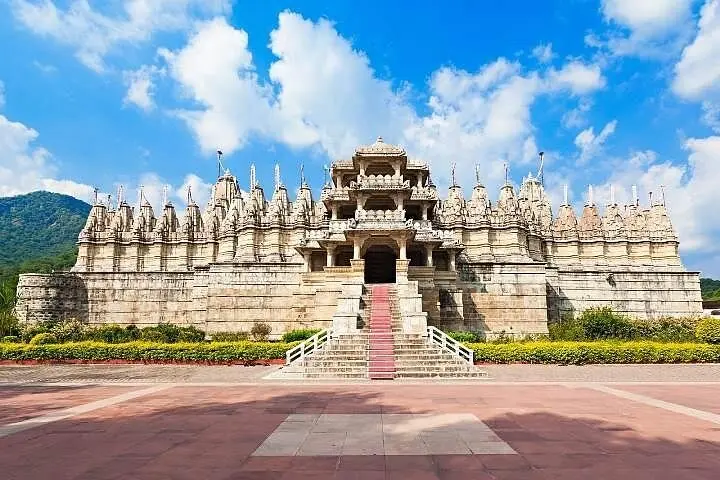
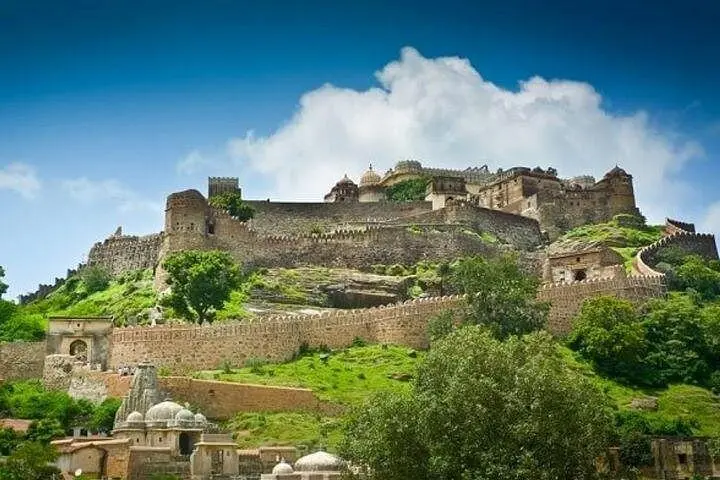
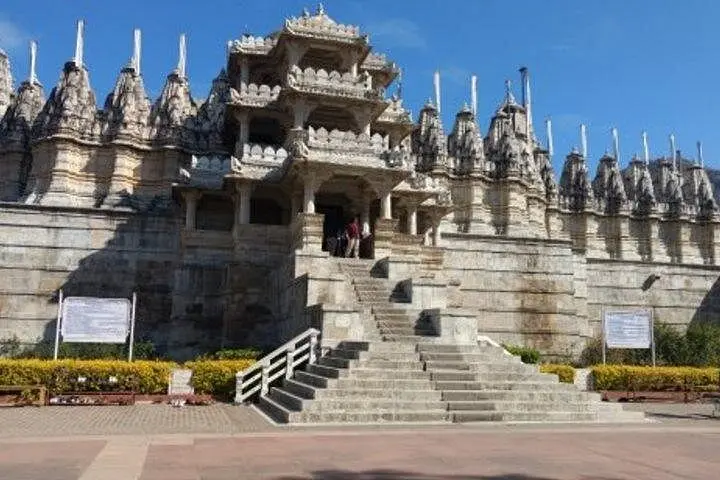
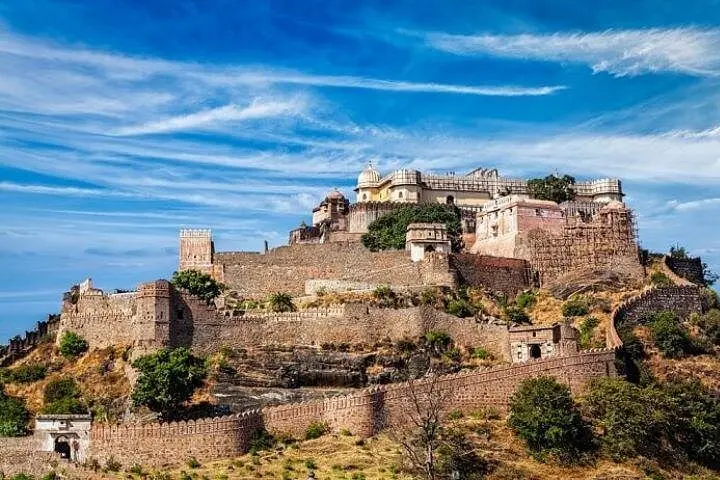
You feel the geology underfoot—the Aravalli’s ancient ridges pushing up hard, folded rock that has directed trade and armies for centuries. The vehicle threads small villages and scrubland, pausing at Kumbhalgarh Fort where a stone wall runs like a slow-moving creature along the ridge; its terraces hold views of a raw, sun‑washed landscape. Later, Ranakpur’s white marble responds to light differently—pillars lace shadow and ornament, a quiet geometry of Jain devotion.
History here is tactile: Kumbhalgarh, expanded by Rana Kumbha in the 15th century, is one of the Hill Forts of Rajasthan on the UNESCO list, its walls stretching for kilometres. Ranakpur Temple, commissioned in the same era under Jain patronage, took decades to carve into its forested valley.
Culturally the route crosses Mewar into Marwar—languages, colors, and culinary shifts are subtle but steady. Local teashops offer jaggery chai and roasted peanuts; vendors at viewpoints sell postcards and bottled water.
Practical guidance: plan a morning pickup to avoid mid‑day heat and traffic; the drive is typically 5–7 hours including short stops. Wear comfortable shoes for uneven fort ramps and slip‑off footwear for temple visits; carry cash for small entrances and donations. Hydrate often, pack sun protection, and allow flexibility—traffic, local processions, or extended site time can add an hour or two. Respect temple rules (no shoes inside, modest dress) and follow signage at heritage sites to protect fragile carvings. A private transfer gives the flexibility to linger at viewpoints or move on—use that freedom to match pace with the landscape.
Pickup is from centrally located hotels, Udaipur Junction railway station, or the bus station—confirm your preferred pickup point when booking.
Entrance fees for forts or temples are typically not included; bring local currency to cover tickets, guides, or donations.
Yes—this is a private transfer, so short photo stops and restroom breaks are expected; longer detours may affect total travel time.
Yes—the transfer uses an air-conditioned private vehicle and a driver is included; confirm any language preferences or special requests when booking.
Jodhpur Camel Safari Private Day Tours operates guided outdoor trips and adventures with an emphasis on safety, stewardship, and memorable experiences.
The air is cool on departure as Udaipur’s lakes recede in the rearview and the road climbs into the low-shouldered Aravalli hills.
The air is cool on departure as Udaipur’s lakes recede in the rearview and the road climbs into the low-shouldered Aravalli hills.
You feel the geology underfoot—the Aravalli’s ancient ridges pushing up hard, folded rock that has directed trade and armies for centuries. The vehicle threads small villages and scrubland, pausing at Kumbhalgarh Fort where a stone wall runs like a slow-moving creature along the ridge; its terraces hold views of a raw, sun‑washed landscape. Later, Ranakpur’s white marble responds to light differently—pillars lace shadow and ornament, a quiet geometry of Jain devotion.
History here is tactile: Kumbhalgarh, expanded by Rana Kumbha in the 15th century, is one of the Hill Forts of Rajasthan on the UNESCO list, its walls stretching for kilometres. Ranakpur Temple, commissioned in the same era under Jain patronage, took decades to carve into its forested valley.
Culturally the route crosses Mewar into Marwar—languages, colors, and culinary shifts are subtle but steady. Local teashops offer jaggery chai and roasted peanuts; vendors at viewpoints sell postcards and bottled water.
Practical guidance: plan a morning pickup to avoid mid‑day heat and traffic; the drive is typically 5–7 hours including short stops. Wear comfortable shoes for uneven fort ramps and slip‑off footwear for temple visits; carry cash for small entrances and donations. Hydrate often, pack sun protection, and allow flexibility—traffic, local processions, or extended site time can add an hour or two. Respect temple rules (no shoes inside, modest dress) and follow signage at heritage sites to protect fragile carvings. A private transfer gives the flexibility to linger at viewpoints or move on—use that freedom to match pace with the landscape.