THE ADVENTURE COLLECTIVE® · Independent discovery and booking for outdoor travel

A private transfer from Vaduz to Zurich that includes a focused two‑hour stop at Gutenberg Castle in Balzers. Perfect for travelers who want efficient transport plus a short, scenic historical detour.
A private transfer from Vaduz to Zurich that includes a focused two‑hour stop at Gutenberg Castle in Balzers. Perfect for travelers who want efficient transport plus a short, scenic historical detour.
You step into an air-conditioned vehicle in Vaduz and the valley folds around you — a narrow ribbon of road, the Rhine keeping time to the left, low vineyards and the compact silhouette of Balzers ahead. The plan is simple: a private transfer to Zurich that pauses for two hours at Gutenberg Castle, which sits on a roughly 70‑meter free‑standing rock above the town.
Verified experiences and guided adventures in the surrounding area.
Operated by Europe Journey - Private Sightseeing Transfers and Day Tours · Balzers, N/A
You step into an air-conditioned vehicle in Vaduz and the valley folds around you — a narrow ribbon of road, the Rhine keeping time to the left, low vineyards and the compact silhouette of Balzers ahead. The plan is simple: a private transfer to Zurich that pauses for two hours at Gutenberg Castle, which sits on a roughly 70‑meter free‑standing rock above the town.
Gutenberg Castle dates to the High Middle Ages and is one of Liechtenstein’s few remaining medieval strongholds; its museum traces local life and the region’s feudal past. Geologically, the castle’s outcrop is a stark vertical marker in an otherwise gentle Rhine valley carved by glacial and river action. Culturally this stretch of the principality is practical and understated — small churches, vineyard terraces, and families who have farmed the slopes for generations.
Expect a short guided walk from the roadside up Burgweg to the museum and viewpoints, with sweeping views back toward the Alps and north toward the Swiss plateau. The stop is suitable for most fitness levels but includes uneven stone steps and narrow paths.
Practical guidance: plan for 2–4 hours total (the operator lists 120–240 minutes), carry a passport for border crossings, and time your visit to avoid midday crowds if you want quieter photos. Wear sturdy shoes for the castle approach, grab a water bottle provided in the vehicle, and bring a light layer—the valley can be cool in shade even on warm days. The drive itself offers a relaxed, private way to link two capitals while squeezing in a concentrated dose of history and landscape.
The itinerary includes a two‑hour stop at Gutenberg Castle for exploring the museum and viewpoints; the rest of the time is for driving to Zurich.
Travelers should carry a passport or national ID—Liechtenstein and Switzerland have border controls and identification may be requested.
Access to the castle involves steps and uneven paths; it’s not fully wheelchair accessible and strollers can be difficult on Burgweg.
The transfer includes bottled water and an air‑conditioned vehicle; additional food or paid entry to some exhibits may not be included.
Europe Journey - Private Sightseeing Transfers and Day Tours operates guided outdoor trips and adventures with an emphasis on safety, stewardship, and memorable experiences.
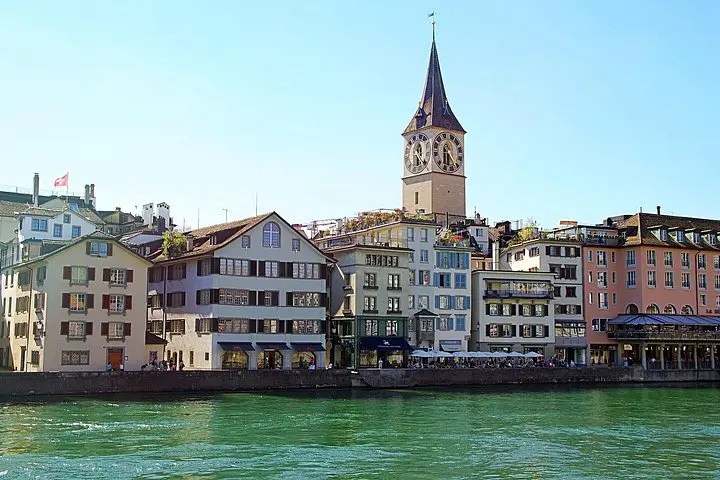
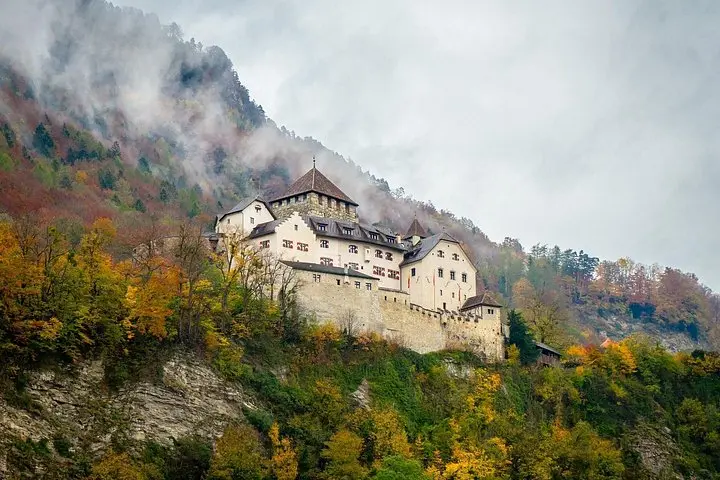
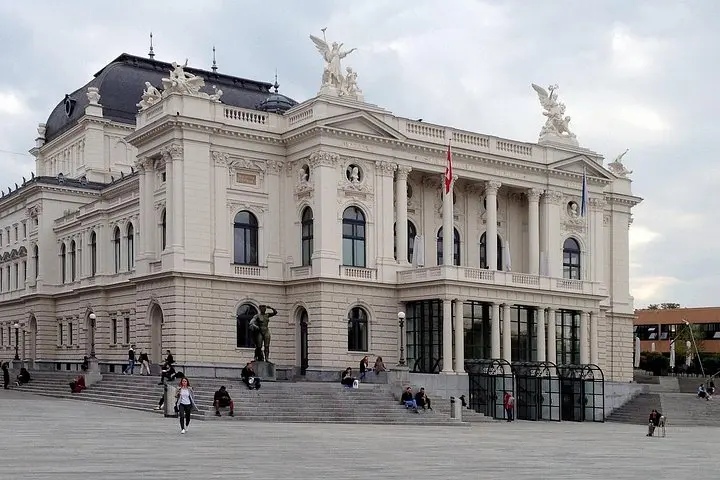
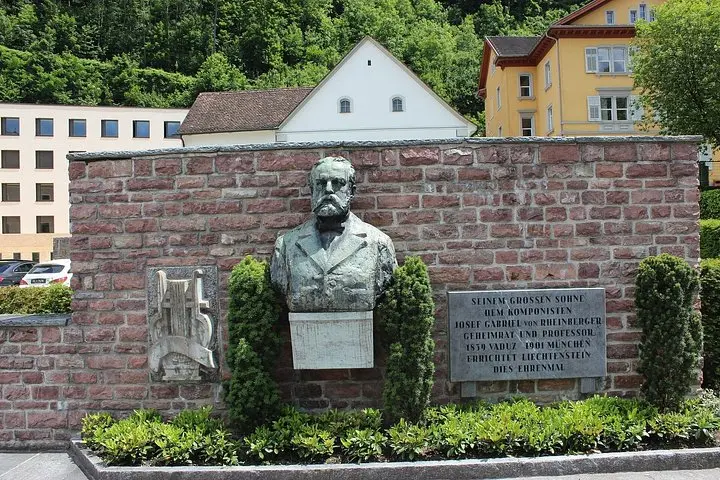
You step into an air-conditioned vehicle in Vaduz and the valley folds around you — a narrow ribbon of road, the Rhine keeping time to the left, low vineyards and the compact silhouette of Balzers ahead. The plan is simple: a private transfer to Zurich that pauses for two hours at Gutenberg Castle, which sits on a roughly 70‑meter free‑standing rock above the town.
You step into an air-conditioned vehicle in Vaduz and the valley folds around you — a narrow ribbon of road, the Rhine keeping time to the left, low vineyards and the compact silhouette of Balzers ahead. The plan is simple: a private transfer to Zurich that pauses for two hours at Gutenberg Castle, which sits on a roughly 70‑meter free‑standing rock above the town.
Gutenberg Castle dates to the High Middle Ages and is one of Liechtenstein’s few remaining medieval strongholds; its museum traces local life and the region’s feudal past. Geologically, the castle’s outcrop is a stark vertical marker in an otherwise gentle Rhine valley carved by glacial and river action. Culturally this stretch of the principality is practical and understated — small churches, vineyard terraces, and families who have farmed the slopes for generations.
Expect a short guided walk from the roadside up Burgweg to the museum and viewpoints, with sweeping views back toward the Alps and north toward the Swiss plateau. The stop is suitable for most fitness levels but includes uneven stone steps and narrow paths.
Practical guidance: plan for 2–4 hours total (the operator lists 120–240 minutes), carry a passport for border crossings, and time your visit to avoid midday crowds if you want quieter photos. Wear sturdy shoes for the castle approach, grab a water bottle provided in the vehicle, and bring a light layer—the valley can be cool in shade even on warm days. The drive itself offers a relaxed, private way to link two capitals while squeezing in a concentrated dose of history and landscape.