THE ADVENTURE COLLECTIVE® · Independent discovery and booking for outdoor travel

A private full-day transfer from Da Nang or Hoi An takes you to the My Lai Massacre Memorial at Son My—an unvarnished, solemn site that presents survivor testimony, artifacts, and local history. This practical guide explains what to expect on the visit and how to prepare.
A private full-day transfer from Da Nang or Hoi An takes you to the My Lai Massacre Memorial at Son My—an unvarnished, solemn site that presents survivor testimony, artifacts, and local history. This practical guide explains what to expect on the visit and how to prepare.
You arrive before the sun burns the low mist off rice paddies, the road cutting a steady line between villages. The driver parks, and the modern carriage falls quiet beside a green field; the memorial sits plain and purposeful ahead—low walls, stone markers, a quiet that asks you to slow.
Verified experiences and guided adventures in the surrounding area.
Operated by Danang Private Taxi · Quang Ngai, Quang Ngai Province
You arrive before the sun burns the low mist off rice paddies, the road cutting a steady line between villages. The driver parks, and the modern carriage falls quiet beside a green field; the memorial sits plain and purposeful ahead—low walls, stone markers, a quiet that asks you to slow.
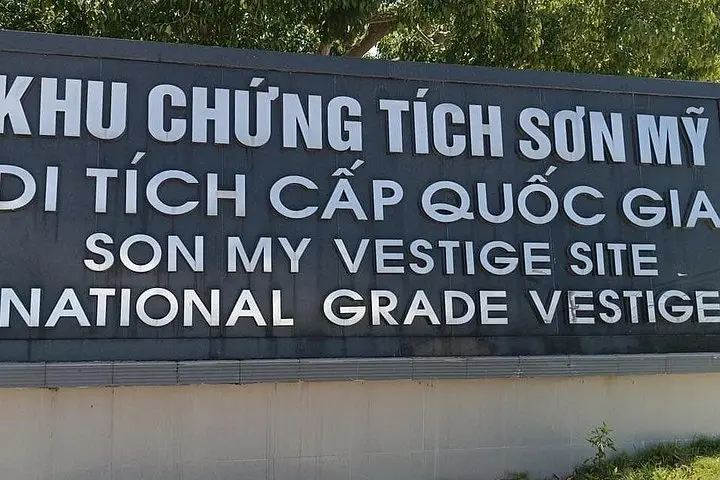
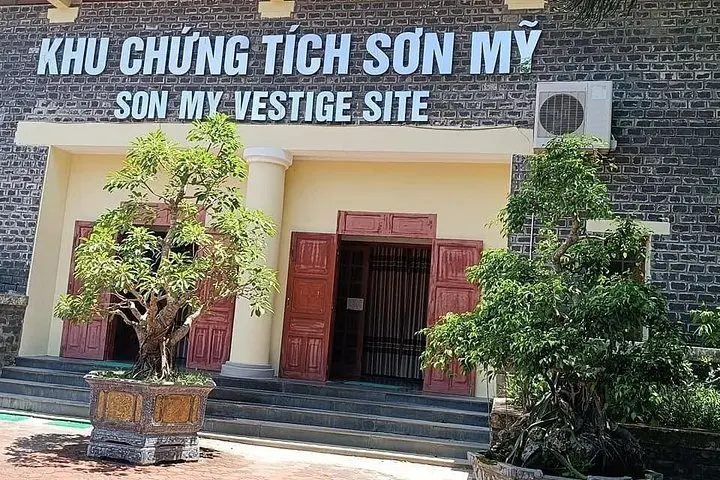
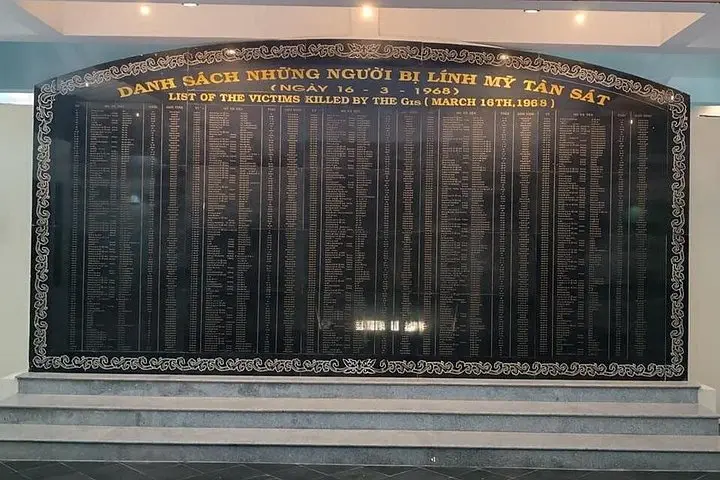
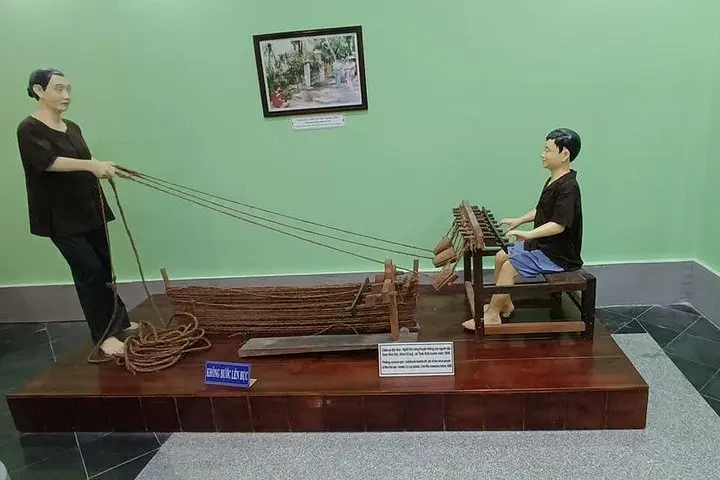
The site at Son My preserves a painful chapter of the Vietnam War: in March 1968 civilians were killed in what became known globally as the My Lai Massacre. The memorial complex, museum, and outdoor markers present artifacts, survivor testimony, and sculptural memorials that place the event in local and geopolitical context.
Geologically the land is flat coastal plain—paddy soil, canals, and low river terraces shaped by the Truong Giang system—so approach and walking are easy but exposed to sun and sudden rain. Culturally, visitors pass through working villages where memory is woven into daily life; local guides often combine historical narration with personal accounts and regional context.
Practical guidance: plan a full day—this private transfer runs roughly 8–9 hours round trip from Da Nang or Hoi An. Bring water, sun protection, and modest clothing out of respect for a memorial site. Expect 45–90 minutes on-site for museum exhibits and grounds; parking and restroom facilities are basic. Photography is usually allowed in open areas but quiet zones and displays with survivor images may have restrictions—ask your driver or guide.
Timing midweek and early morning reduces heat and crowds. Use the driver as a flexible resource—many will wait while you visit a local market or stop for lunch en route back to your hotel.
Expect approximately 2 to 2.5 hours each way from Da Nang and about 1.5 to 2 hours from Hoi An, depending on traffic and stops.
This private transfer typically includes entry to the My Lai Memorial Museum as described; confirm at booking or with your operator.
Local guides or the driver can provide historical context; you can request a knowledgeable guide when booking for more in-depth interpretation.
The grounds are mostly flat and accessible, but the museum may have steps—check ahead for wheelchair access and consider the emotional intensity of the content for young children.
Danang Private Taxi operates guided outdoor trips and adventures with an emphasis on safety, stewardship, and memorable experiences.
You arrive before the sun burns the low mist off rice paddies, the road cutting a steady line between villages. The driver parks, and the modern carriage falls quiet beside a green field; the memorial sits plain and purposeful ahead—low walls, stone markers, a quiet that asks you to slow.
You arrive before the sun burns the low mist off rice paddies, the road cutting a steady line between villages. The driver parks, and the modern carriage falls quiet beside a green field; the memorial sits plain and purposeful ahead—low walls, stone markers, a quiet that asks you to slow.
The site at Son My preserves a painful chapter of the Vietnam War: in March 1968 civilians were killed in what became known globally as the My Lai Massacre. The memorial complex, museum, and outdoor markers present artifacts, survivor testimony, and sculptural memorials that place the event in local and geopolitical context.
Geologically the land is flat coastal plain—paddy soil, canals, and low river terraces shaped by the Truong Giang system—so approach and walking are easy but exposed to sun and sudden rain. Culturally, visitors pass through working villages where memory is woven into daily life; local guides often combine historical narration with personal accounts and regional context.
Practical guidance: plan a full day—this private transfer runs roughly 8–9 hours round trip from Da Nang or Hoi An. Bring water, sun protection, and modest clothing out of respect for a memorial site. Expect 45–90 minutes on-site for museum exhibits and grounds; parking and restroom facilities are basic. Photography is usually allowed in open areas but quiet zones and displays with survivor images may have restrictions—ask your driver or guide.
Timing midweek and early morning reduces heat and crowds. Use the driver as a flexible resource—many will wait while you visit a local market or stop for lunch en route back to your hotel.