THE ADVENTURE COLLECTIVE® · Independent discovery and booking for outdoor travel

Skip the train changes and last-minute stress: a private door-to-dock transfer from London to Southampton delivers punctual, chauffeured transport directly to the cruise terminal. Learn what to expect, timing tips, and practical packing advice for a smooth embarkation.
Skip the train changes and last-minute stress: a private door-to-dock transfer from London to Southampton delivers punctual, chauffeured transport directly to the cruise terminal. Learn what to expect, timing tips, and practical packing advice for a smooth embarkation.
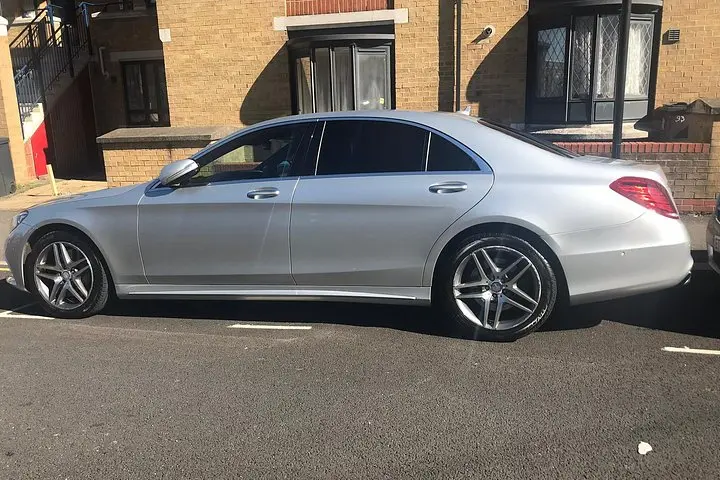
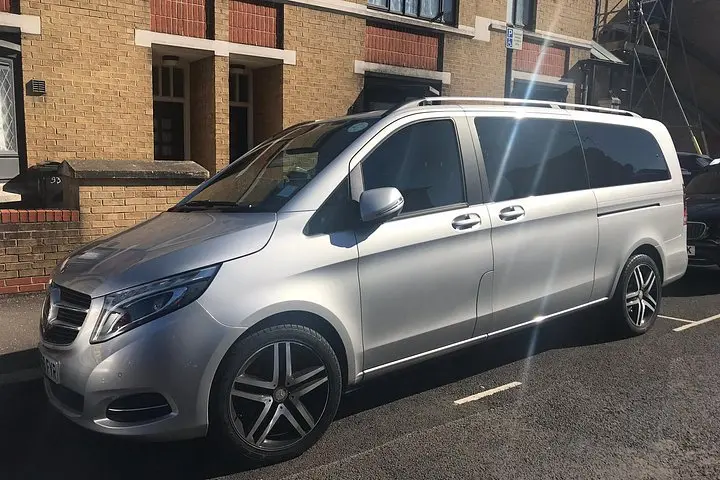
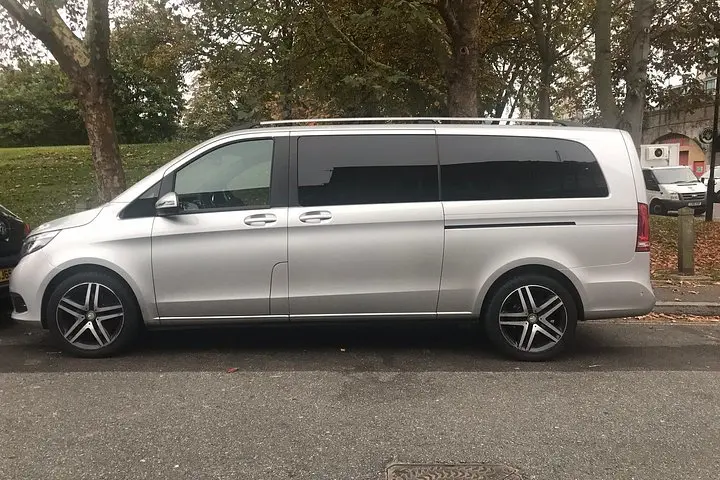
The car slides out of London before dawn, the city’s glass and stone giving way to chalk downs and roadside hedgerows. Inside a luxury Mercedes, luggage stowed and a bottle of water waiting in the back seat, the road becomes part of the ritual — an easy, punctual passage from urban bustle to the shipping cranes and salt-scented air of Southampton’s cruise terminals.
Verified experiences and guided adventures in the surrounding area.
Operated by LDN Transfers · Southampton, England
The car slides out of London before dawn, the city’s glass and stone giving way to chalk downs and roadside hedgerows. Inside a luxury Mercedes, luggage stowed and a bottle of water waiting in the back seat, the road becomes part of the ritual — an easy, punctual passage from urban bustle to the shipping cranes and salt-scented air of Southampton’s cruise terminals.
This route follows corridors of English maritime history. Southampton was the last port for Titanic and a major embarkation point during the world wars; geology shifts from London’s clay to Hampshire chalk and the low-lying Solent coastline. Cultural waypoints appear along the drive: the villages of the New Forest, pockets of Roman-era settlement near the A303, and the industrial docks that still pulse with global trade.
Practically, a private transfer replaces the uncertainty of trains and multiple trains with a single door-to-dock service. Expect 60–120 minutes depending on pick-up location and traffic; drivers typically supply Wi‑Fi, bottled water and complimentary child seats. Peak summer and holiday cruise windows add congestion, so plan extra margin for embarkation deadlines. Booking requires clear arrival/departure times and flight or cruise details; most operators allow 24‑hour free cancellation.
For travelers, keep documents handy, carry a soft-sided bag for easy stowage, and confirm terminal gate information in advance. The experience is straightforward and civilized — a focused, comfortable bridge between city and ship that makes the start of a cruise less about logistics and more about the journey.
Yes—most private transfers include door-to-door pickup from airports, hotels, or private addresses; confirm the exact meeting point when booking.
Child and infant seats are typically provided free of charge but must be requested at booking to ensure availability and the correct type for your child’s age/weight.
Provide your flight number so the operator can monitor arrivals; many services offer a grace period for reasonable delays but confirm the provider’s policy when you book.
Book as early as possible during cruise season to secure a preferred pickup window—48–72 hours minimum, and weeks ahead during peak travel periods.
LDN Transfers operates guided outdoor trips and adventures with an emphasis on safety, stewardship, and memorable experiences.

The car slides out of London before dawn, the city’s glass and stone giving way to chalk downs and roadside hedgerows. Inside a luxury Mercedes, luggage stowed and a bottle of water waiting in the back seat, the road becomes part of the ritual — an easy, punctual passage from urban bustle to the shipping cranes and salt-scented air of Southampton’s cruise terminals.
The car slides out of London before dawn, the city’s glass and stone giving way to chalk downs and roadside hedgerows. Inside a luxury Mercedes, luggage stowed and a bottle of water waiting in the back seat, the road becomes part of the ritual — an easy, punctual passage from urban bustle to the shipping cranes and salt-scented air of Southampton’s cruise terminals.
This route follows corridors of English maritime history. Southampton was the last port for Titanic and a major embarkation point during the world wars; geology shifts from London’s clay to Hampshire chalk and the low-lying Solent coastline. Cultural waypoints appear along the drive: the villages of the New Forest, pockets of Roman-era settlement near the A303, and the industrial docks that still pulse with global trade.
Practically, a private transfer replaces the uncertainty of trains and multiple trains with a single door-to-dock service. Expect 60–120 minutes depending on pick-up location and traffic; drivers typically supply Wi‑Fi, bottled water and complimentary child seats. Peak summer and holiday cruise windows add congestion, so plan extra margin for embarkation deadlines. Booking requires clear arrival/departure times and flight or cruise details; most operators allow 24‑hour free cancellation.
For travelers, keep documents handy, carry a soft-sided bag for easy stowage, and confirm terminal gate information in advance. The experience is straightforward and civilized — a focused, comfortable bridge between city and ship that makes the start of a cruise less about logistics and more about the journey.