THE ADVENTURE COLLECTIVE® · Independent discovery and booking for outdoor travel

Travel between Siem Reap and Phnom Penh in a private, air‑conditioned vehicle with an English‑speaking driver and flexible stops. Ideal for travelers who want comfort plus options to visit Kampong Khleang or roadside markets en route.
Travel between Siem Reap and Phnom Penh in a private, air‑conditioned vehicle with an English‑speaking driver and flexible stops. Ideal for travelers who want comfort plus options to visit Kampong Khleang or roadside markets en route.
You step into an air‑conditioned minivan as rural Cambodia scrolls by: rice paddies flatten into highway, roadside vendors blink in and out of view, and the Tonle Sap’s low waterline glints at pauses. The driver—English speaking, smartly dressed—greets you at your hotel and folds your bag into the rear as towns and floodplain villages slip past the window.
Verified experiences and guided adventures in the surrounding area.
Operated by About Cambodia Travel & Tours · Siem Reap, Siem Reap Province
You step into an air‑conditioned minivan as rural Cambodia scrolls by: rice paddies flatten into highway, roadside vendors blink in and out of view, and the Tonle Sap’s low waterline glints at pauses. The driver—English speaking, smartly dressed—greets you at your hotel and folds your bag into the rear as towns and floodplain villages slip past the window.
The route links two of Cambodia’s most important urban centers. Siem Reap grew around the Angkorian complexes; Phnom Penh rose on the Mekong’s confluence. Geologically the land is broad alluvial plain, punctuated by seasonal swamps that feed the Tonle Sap—visible if you opt to stop at Kampong Khleang’s floating village. Cultural highlights along the way include roadside markets, simple Khmer temples, and the infamous Skun spider market—an honest glimpse of local tastes and commerce.
Practically, expect 4–8 hours of travel depending on destination and stops. Vehicles are comfort‑focused but roads vary: national highways are generally paved and maintained, secondary detours can be bumpier. Drivers typically allow flexible stops—photo breaks, markets, or a short boat hire at Tonle Sap for a local floating village visit (extra fee). Bring travel documents, small change for roadside purchases, and layers for fluctuating AC. Children’s seats can be provided on request.
This transfer trades an impersonal coach for personalized pacing and local knowledge—useful if you want a direct, comfortable crossing of Cambodia with the option to turn a road day into a slow, observational journey.
Direct driving time is typically 4–6 hours; allow up to 8 hours if you include optional stops like Kampong Khleang or extended breaks.
Yes—drivers can stop for a visit, but boat hire (usually paid on site, about $20 per person) and waiting time are extra and should be requested when booking.
Infant and child seats are available upon request—indicate ages and requirements when you book so the operator can provide them.
Cancel at least 24 hours before departure for a full refund; cancellations within 24 hours are non‑refundable.
About Cambodia Travel & Tours operates guided outdoor trips and adventures with an emphasis on safety, stewardship, and memorable experiences.
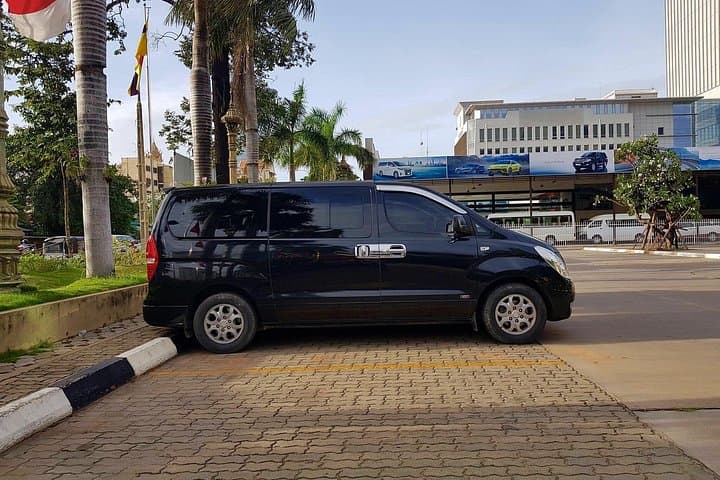


You step into an air‑conditioned minivan as rural Cambodia scrolls by: rice paddies flatten into highway, roadside vendors blink in and out of view, and the Tonle Sap’s low waterline glints at pauses. The driver—English speaking, smartly dressed—greets you at your hotel and folds your bag into the rear as towns and floodplain villages slip past the window.
You step into an air‑conditioned minivan as rural Cambodia scrolls by: rice paddies flatten into highway, roadside vendors blink in and out of view, and the Tonle Sap’s low waterline glints at pauses. The driver—English speaking, smartly dressed—greets you at your hotel and folds your bag into the rear as towns and floodplain villages slip past the window.
The route links two of Cambodia’s most important urban centers. Siem Reap grew around the Angkorian complexes; Phnom Penh rose on the Mekong’s confluence. Geologically the land is broad alluvial plain, punctuated by seasonal swamps that feed the Tonle Sap—visible if you opt to stop at Kampong Khleang’s floating village. Cultural highlights along the way include roadside markets, simple Khmer temples, and the infamous Skun spider market—an honest glimpse of local tastes and commerce.
Practically, expect 4–8 hours of travel depending on destination and stops. Vehicles are comfort‑focused but roads vary: national highways are generally paved and maintained, secondary detours can be bumpier. Drivers typically allow flexible stops—photo breaks, markets, or a short boat hire at Tonle Sap for a local floating village visit (extra fee). Bring travel documents, small change for roadside purchases, and layers for fluctuating AC. Children’s seats can be provided on request.
This transfer trades an impersonal coach for personalized pacing and local knowledge—useful if you want a direct, comfortable crossing of Cambodia with the option to turn a road day into a slow, observational journey.