THE ADVENTURE COLLECTIVE® · Independent discovery and booking for outdoor travel

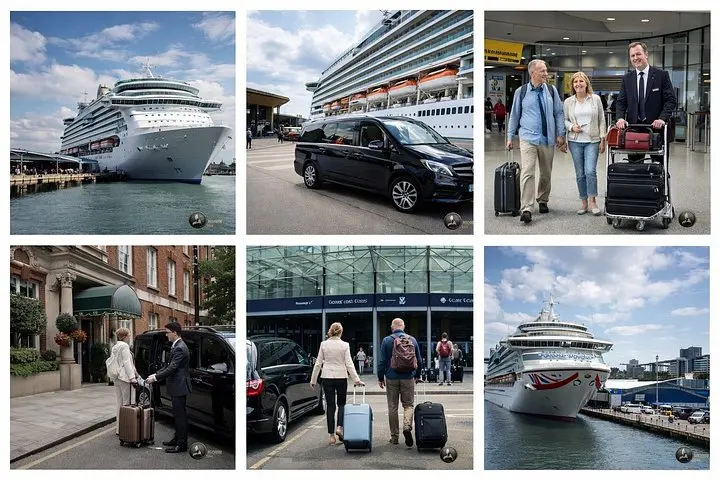
Skip the taxi queue and relax into a door-to-door private transfer from Heathrow or London stations to Southampton Cruise Port. Expect luggage assistance, onboard Wi‑Fi and fixed pricing — ideal for time-sensitive cruise departures.
Skip the taxi queue and relax into a door-to-door private transfer from Heathrow or London stations to Southampton Cruise Port. Expect luggage assistance, onboard Wi‑Fi and fixed pricing — ideal for time-sensitive cruise departures.
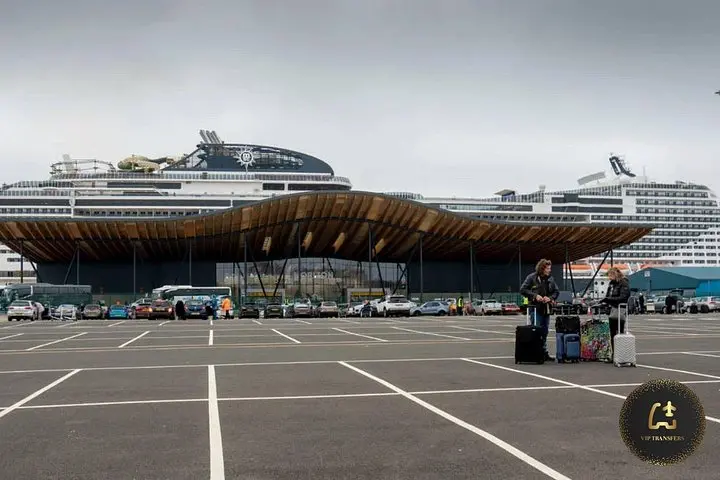
You pull away from the airport’s bright arrivals hall and the city’s edge gives way to the low, working geometry of the Solent — cranes, quay walls and freighters marking the approach to Southampton Cruise Port. The driver keeps conversation brief and practical: estimated travel windows, luggage handling, and the fastest route through commuter traffic.
Verified experiences and guided adventures in the surrounding area.
Operated by VIP Transfers UK · Southampton, Hampshire
You pull away from the airport’s bright arrivals hall and the city’s edge gives way to the low, working geometry of the Solent — cranes, quay walls and freighters marking the approach to Southampton Cruise Port. The driver keeps conversation brief and practical: estimated travel windows, luggage handling, and the fastest route through commuter traffic.
Southampton’s docks have been a maritime gateway for centuries, the city’s deep-water access shaped by the Solent’s tidal channels and the slow scouring of chalk and clay. The port’s modern terminals sit beside Victorian warehouses and the city’s long shipping heritage — a place where transatlantic liners once gathered and where ferry schedules still shape local rhythms.
Culturally the area is utilitarian and marine-focused: cafés serving quick fish-and-chip breakfasts, terminal staff in hi‑vis, and the occasional ship’s horn as punctuation. Geology is subtle but present — the Solent estuary’s currents influence berthing and the weather can shift rapidly across the water.
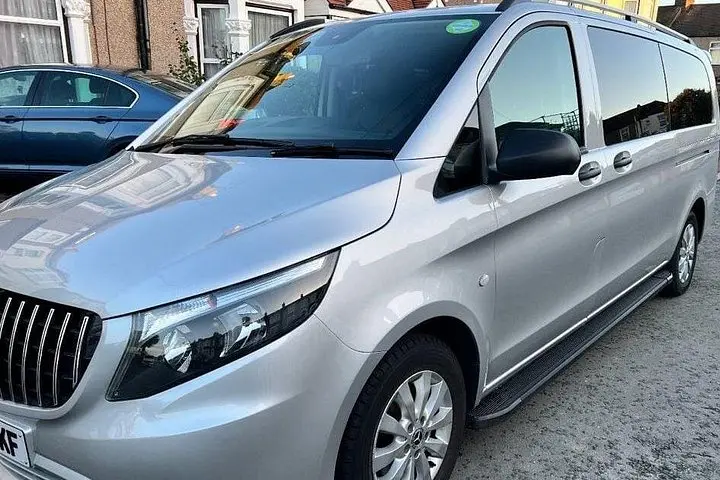
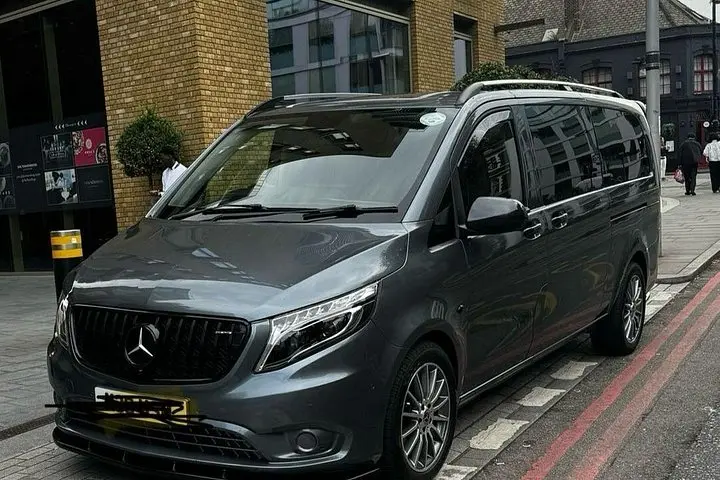
Practical guidance: book a fixed-price private vehicle to remove the stress of connections — the operator typically offers saloon, MPV, executive or luxury cars, plus luggage assistance on arrival, bottled water and onboard Wi‑Fi. Allow 60–180 minutes depending on London pickup and traffic; flights arriving at Heathrow should factor in passport control and baggage claim. For train-station pickups (King’s Cross, St Pancras) expect a nearby permitted meeting point rather than curbside collection.
Plan a buffer for peak commuter hours and cruise embarkation deadlines, carry printed or mobile booking details, and keep passports and cruise documents handy. For a smooth handoff, confirm your terminal and ship name in advance — the difference between a calm port arrival and a last-minute sprint.
Travel time typically ranges from about 60 to 120 minutes depending on traffic; allow up to 180 minutes from central London during peak times.
Pickups at major stations are at the nearest permitted meeting point; you’ll receive precise instructions after booking because curbside collection is often restricted.
Yes — drivers generally help with loading and unloading luggage at pickup and drop‑off points at the port.
Full refunds are available if you cancel at least 24 hours before the scheduled pickup time; cancellations inside 24 hours are non‑refundable.
VIP Transfers UK operates guided outdoor trips and adventures with an emphasis on safety, stewardship, and memorable experiences.
You pull away from the airport’s bright arrivals hall and the city’s edge gives way to the low, working geometry of the Solent — cranes, quay walls and freighters marking the approach to Southampton Cruise Port. The driver keeps conversation brief and practical: estimated travel windows, luggage handling, and the fastest route through commuter traffic.
You pull away from the airport’s bright arrivals hall and the city’s edge gives way to the low, working geometry of the Solent — cranes, quay walls and freighters marking the approach to Southampton Cruise Port. The driver keeps conversation brief and practical: estimated travel windows, luggage handling, and the fastest route through commuter traffic.
Southampton’s docks have been a maritime gateway for centuries, the city’s deep-water access shaped by the Solent’s tidal channels and the slow scouring of chalk and clay. The port’s modern terminals sit beside Victorian warehouses and the city’s long shipping heritage — a place where transatlantic liners once gathered and where ferry schedules still shape local rhythms.
Culturally the area is utilitarian and marine-focused: cafés serving quick fish-and-chip breakfasts, terminal staff in hi‑vis, and the occasional ship’s horn as punctuation. Geology is subtle but present — the Solent estuary’s currents influence berthing and the weather can shift rapidly across the water.
Practical guidance: book a fixed-price private vehicle to remove the stress of connections — the operator typically offers saloon, MPV, executive or luxury cars, plus luggage assistance on arrival, bottled water and onboard Wi‑Fi. Allow 60–180 minutes depending on London pickup and traffic; flights arriving at Heathrow should factor in passport control and baggage claim. For train-station pickups (King’s Cross, St Pancras) expect a nearby permitted meeting point rather than curbside collection.
Plan a buffer for peak commuter hours and cruise embarkation deadlines, carry printed or mobile booking details, and keep passports and cruise documents handy. For a smooth handoff, confirm your terminal and ship name in advance — the difference between a calm port arrival and a last-minute sprint.