THE ADVENTURE COLLECTIVE® · Independent discovery and booking for outdoor travel

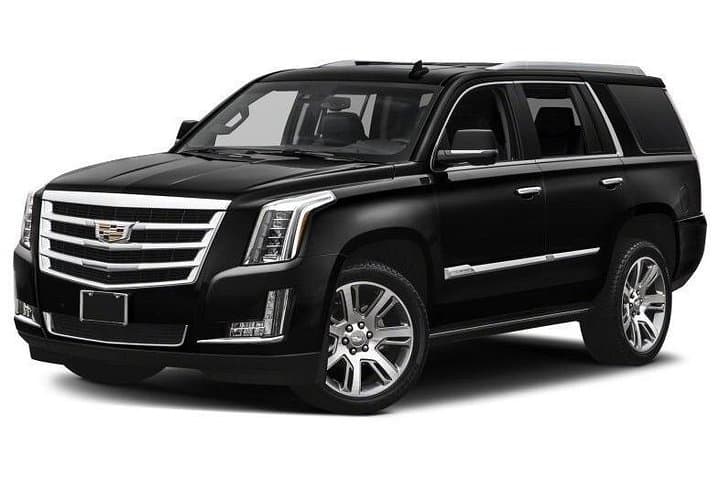
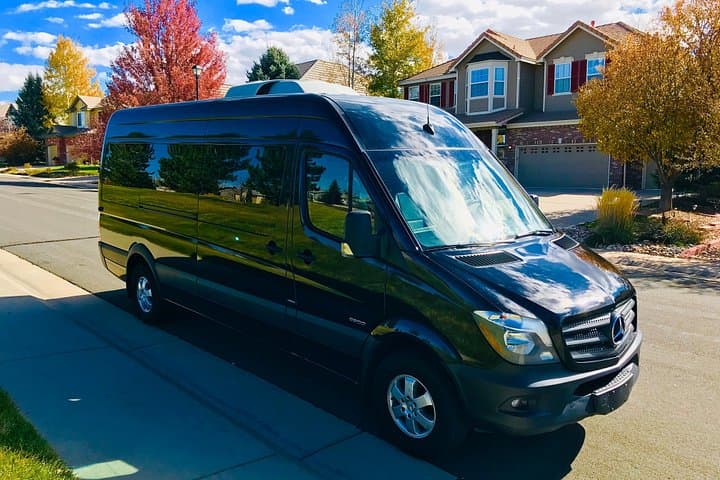
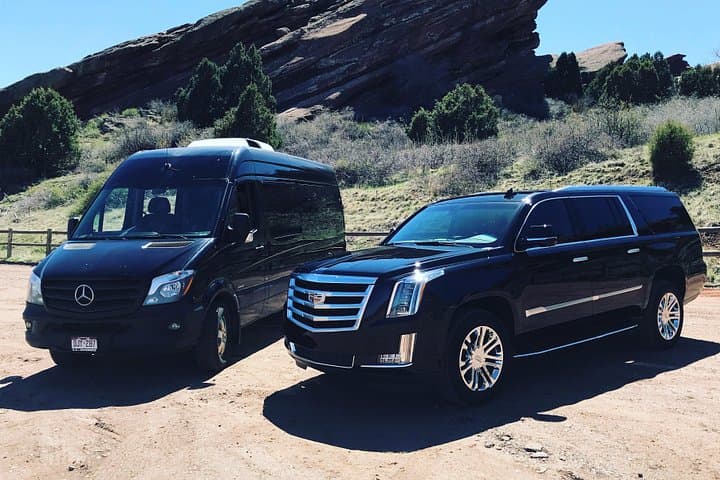
A private car transfer smooths the often-tense end of a mountain getaway. Expect reliable drivers, winter-ready vehicles, and a 2–3 hour ride from Vail or Beaver Creek to Denver International Airport.
A private car transfer smooths the often-tense end of a mountain getaway. Expect reliable drivers, winter-ready vehicles, and a 2–3 hour ride from Vail or Beaver Creek to Denver International Airport.
Snow still clings to the spruce as your driver slides the vehicle onto I-70, and the mountains slowly yield to the wide, open plains. The road unwinds through Vail Pass, drops into Glenwood Canyon’s vertical rock walls, and then eases into the broad high plain that leads to Denver. The car’s heated seats and a low hum of tires on wet asphalt make the moving landscape feel deliberate rather than rushed.
Verified experiences and guided adventures in the surrounding area.
Operated by Mountain Star Transportation LLC · Vail, Colorado
Snow still clings to the spruce as your driver slides the vehicle onto I-70, and the mountains slowly yield to the wide, open plains. The road unwinds through Vail Pass, drops into Glenwood Canyon’s vertical rock walls, and then eases into the broad high plain that leads to Denver. The car’s heated seats and a low hum of tires on wet asphalt make the moving landscape feel deliberate rather than rushed.
This corridor follows old mining and railroad routes carved through the Rockies; Vail itself rose in the 1960s as a planned ski town, while the geology here is dominated by uplifted Precambrian rock and thick pockets of alpine glacial deposits. Culturally you’ll pass small valley towns that still pivot around winter recreation and summer rafting — local cafés and outfitters line the exits and give shape to the Eagle and Gore Valleys.
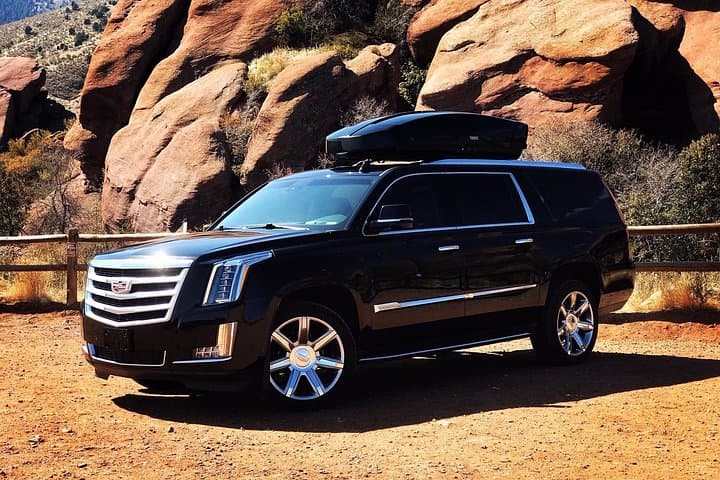
Practical guidance is direct: expect 2–3 hours of travel depending on weather and your pickup point; Vail to Denver is roughly 100 miles, Beaver Creek slightly further west. Winter can add time — I-70 has chain laws and avalanche mitigation work — so build a 60–90 minute buffer before flights. The service includes bottled water, optional ski boxes and child seats on request; drivers are experienced with mountain driving and luggage handling. For convenience, confirm exact pickup location and flight details in advance, carry ID and boarding passes on your phone, and keep a small daypack with essentials in the car for quick access. This transfer turns a potentially stressful end to a mountain trip into one steady, reliable stretch of highway.
Typically 2 to 3 hours depending on weather and traffic; allow extra time in winter and during peak travel periods.
Yes — pickups are flexible and can be arranged from hotels, private residences, restaurants or train stations with advance notice.
Yes, specialized infant and child seats are available upon request if advised at the time of booking.
Full refunds are available if you cancel at least 24 hours before the scheduled departure time; cancellations within 24 hours are non-refundable.
Mountain Star Transportation LLC operates guided outdoor trips and adventures with an emphasis on safety, stewardship, and memorable experiences.
Snow still clings to the spruce as your driver slides the vehicle onto I-70, and the mountains slowly yield to the wide, open plains. The road unwinds through Vail Pass, drops into Glenwood Canyon’s vertical rock walls, and then eases into the broad high plain that leads to Denver. The car’s heated seats and a low hum of tires on wet asphalt make the moving landscape feel deliberate rather than rushed.
Snow still clings to the spruce as your driver slides the vehicle onto I-70, and the mountains slowly yield to the wide, open plains. The road unwinds through Vail Pass, drops into Glenwood Canyon’s vertical rock walls, and then eases into the broad high plain that leads to Denver. The car’s heated seats and a low hum of tires on wet asphalt make the moving landscape feel deliberate rather than rushed.
This corridor follows old mining and railroad routes carved through the Rockies; Vail itself rose in the 1960s as a planned ski town, while the geology here is dominated by uplifted Precambrian rock and thick pockets of alpine glacial deposits. Culturally you’ll pass small valley towns that still pivot around winter recreation and summer rafting — local cafés and outfitters line the exits and give shape to the Eagle and Gore Valleys.
Practical guidance is direct: expect 2–3 hours of travel depending on weather and your pickup point; Vail to Denver is roughly 100 miles, Beaver Creek slightly further west. Winter can add time — I-70 has chain laws and avalanche mitigation work — so build a 60–90 minute buffer before flights. The service includes bottled water, optional ski boxes and child seats on request; drivers are experienced with mountain driving and luggage handling. For convenience, confirm exact pickup location and flight details in advance, carry ID and boarding passes on your phone, and keep a small daypack with essentials in the car for quick access. This transfer turns a potentially stressful end to a mountain trip into one steady, reliable stretch of highway.