THE ADVENTURE COLLECTIVE® · Independent discovery and booking for outdoor travel

A full-day private trek linking the rugged passes of Gubeikou with the tower-rich Jinshanling section of the Ming Great Wall. Expect 6–7 hours of varied hiking, village lunch, and long panoramic ridgelines.
A full-day private trek linking the rugged passes of Gubeikou with the tower-rich Jinshanling section of the Ming Great Wall. Expect 6–7 hours of varied hiking, village lunch, and long panoramic ridgelines.
Morning light hits the crenellations as the group steps from the vehicle onto the Panlongshan ridge; the stone underfoot is cool, the air thin with dust and distant smoke from village stoves. The route moves from Gubeikou’s rugged passes toward the more restored, tower-dense ramps of Jinshanling, trading steep, uneven stairways for long exposed runs of battlement and sweeping mountain views.
Verified experiences and guided adventures in the surrounding area.
Operated by Greatwall Trekclub · Luanping, Hebei
Morning light hits the crenellations as the group steps from the vehicle onto the Panlongshan ridge; the stone underfoot is cool, the air thin with dust and distant smoke from village stoves. The route moves from Gubeikou’s rugged passes toward the more restored, tower-dense ramps of Jinshanling, trading steep, uneven stairways for long exposed runs of battlement and sweeping mountain views.
This corridor of the Ming Great Wall weaves military architecture and local life: watchtowers built of huge bricks in varied styles, stone-slit windows for archers and gunports, and the occasional farmhouse whose walls include recycled Great Wall blocks. Geologically the line rides a spine of granite and schist, shaping steep gullies and vantage points that controlled historic approaches to Beijing.
Culture here is regional and direct — farmers still cultivate terraces below the wall and will sometimes open a simple courtyard for a lunchtime plate. Conservation has been a push-and-pull: Jinshanling is well-preserved and touristed, while stretches at Gubeikou show rougher, more authentic repair methods.
Practical guidance: expect 6–7 hours of hiking on mixed stone steps, broken stretches, and single-file ridgelines. Bring layered clothing for sun and wind, sturdy trekking shoes, 2–3 liters of water, and a daypack for snacks. Pace yourself on the steep climbs; watch the uneven steps and loose stone. The route includes a village lunch and vehicle transfers to and from Beijing, making this a full but accessible day for anyone with moderate fitness.
Expect about 4–5 hours on the wall sections and connecting trails, with total hiking time around 6–7 hours including side routes and village walks.
Minimum age is typically 8; children must be supervised and capable of sustained walking on uneven stone steps.
The tour includes bottled water, snacks and a Chinese farmhouse lunch, but plan to carry refillable water and personal snacks for energy.
There are steep staircases and exposed ridgelines; moderate fitness and stable footwear are recommended. Not advised for those with serious heart conditions or pregnancy.
Greatwall Trekclub operates guided outdoor trips and adventures with an emphasis on safety, stewardship, and memorable experiences.
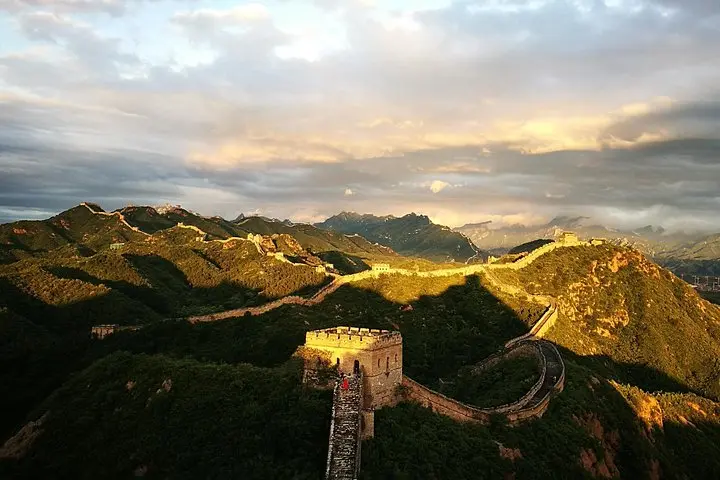
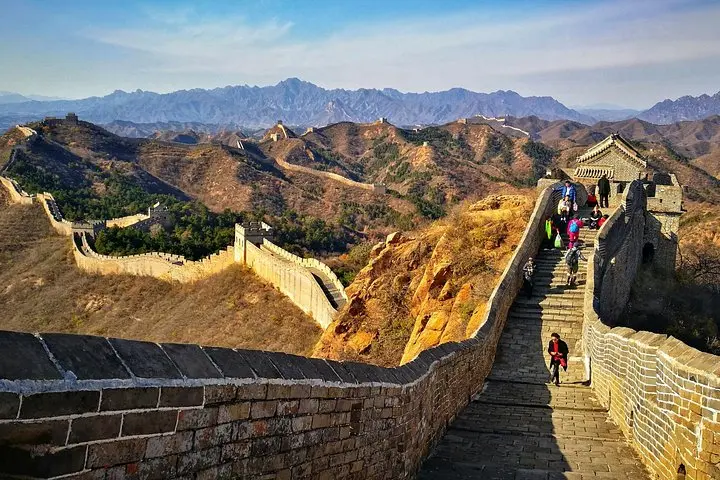
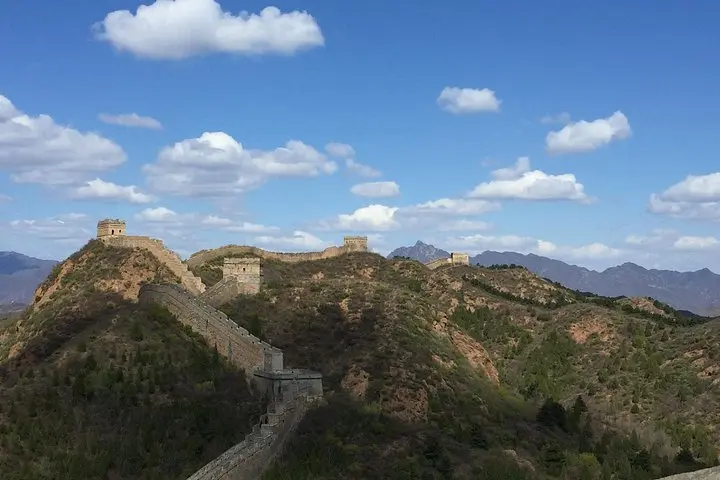
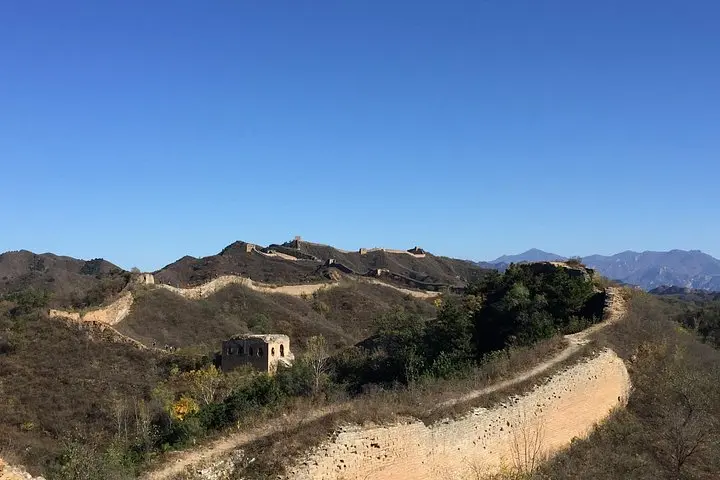
Morning light hits the crenellations as the group steps from the vehicle onto the Panlongshan ridge; the stone underfoot is cool, the air thin with dust and distant smoke from village stoves. The route moves from Gubeikou’s rugged passes toward the more restored, tower-dense ramps of Jinshanling, trading steep, uneven stairways for long exposed runs of battlement and sweeping mountain views.
Morning light hits the crenellations as the group steps from the vehicle onto the Panlongshan ridge; the stone underfoot is cool, the air thin with dust and distant smoke from village stoves. The route moves from Gubeikou’s rugged passes toward the more restored, tower-dense ramps of Jinshanling, trading steep, uneven stairways for long exposed runs of battlement and sweeping mountain views.
This corridor of the Ming Great Wall weaves military architecture and local life: watchtowers built of huge bricks in varied styles, stone-slit windows for archers and gunports, and the occasional farmhouse whose walls include recycled Great Wall blocks. Geologically the line rides a spine of granite and schist, shaping steep gullies and vantage points that controlled historic approaches to Beijing.
Culture here is regional and direct — farmers still cultivate terraces below the wall and will sometimes open a simple courtyard for a lunchtime plate. Conservation has been a push-and-pull: Jinshanling is well-preserved and touristed, while stretches at Gubeikou show rougher, more authentic repair methods.
Practical guidance: expect 6–7 hours of hiking on mixed stone steps, broken stretches, and single-file ridgelines. Bring layered clothing for sun and wind, sturdy trekking shoes, 2–3 liters of water, and a daypack for snacks. Pace yourself on the steep climbs; watch the uneven steps and loose stone. The route includes a village lunch and vehicle transfers to and from Beijing, making this a full but accessible day for anyone with moderate fitness.