THE ADVENTURE COLLECTIVE® · Independent discovery and booking for outdoor travel

Cover two millennia in a single day with a private 6-hour drive from Beirut to Tripoli and Byblos. Explore Crusader castles, Mamluk mosques and bustling souks with a local driver and flexible pickup.
Cover two millennia in a single day with a private 6-hour drive from Beirut to Tripoli and Byblos. Explore Crusader castles, Mamluk mosques and bustling souks with a local driver and flexible pickup.
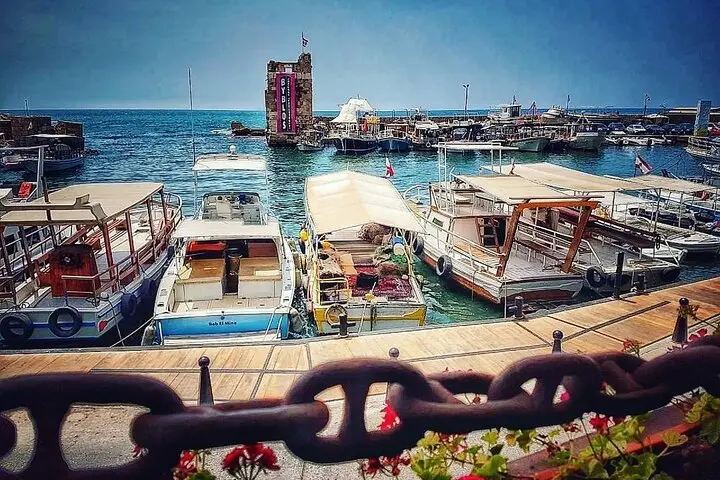
You step into salt-tinged air as the coastal road slides north from Beirut, the Mediterranean opening like a moving map. In six hours a private driver threads you between two of Lebanon’s oldest living cities — Tripoli’s layered citadel and Byblos’ stone harbor — where each alley and quay keeps a different century close to the surface.
Verified experiences and guided adventures in the surrounding area.
Operated by Beirut Airport Transfer · Tripoli, North Governorate
You step into salt-tinged air as the coastal road slides north from Beirut, the Mediterranean opening like a moving map. In six hours a private driver threads you between two of Lebanon’s oldest living cities — Tripoli’s layered citadel and Byblos’ stone harbor — where each alley and quay keeps a different century close to the surface.
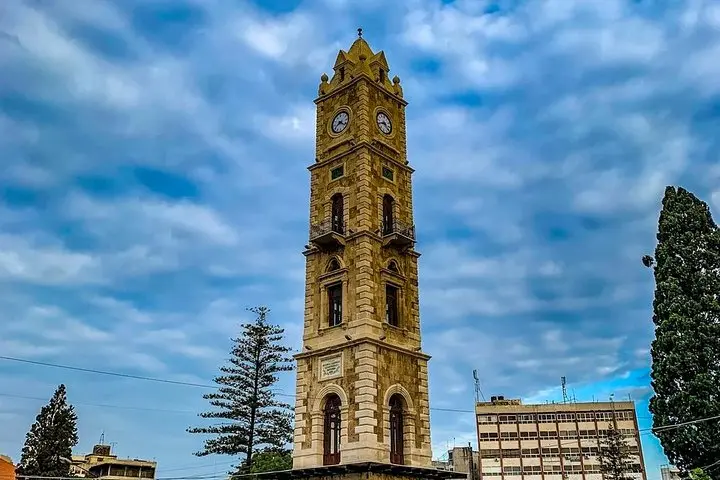
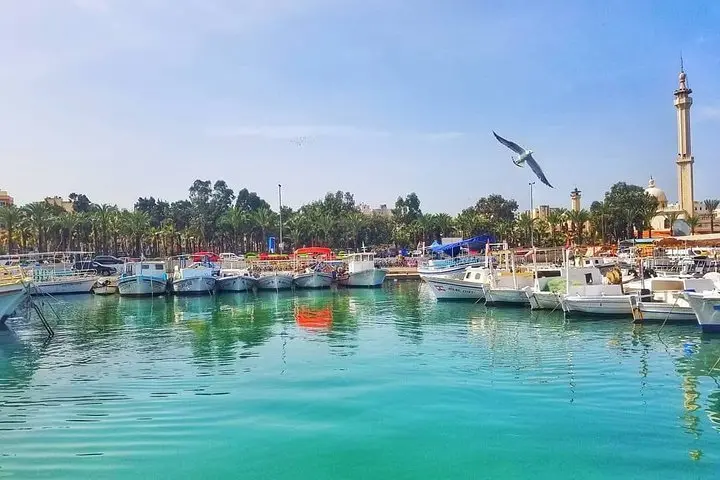
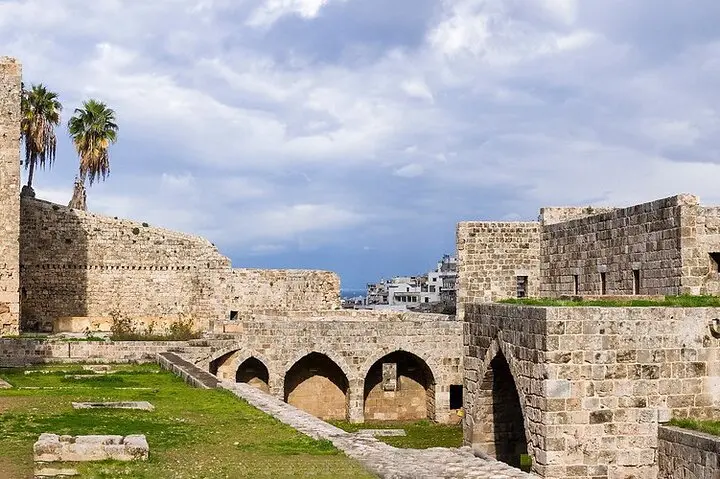
Tripoli rises from Phoenician foundations through Crusader, Mamluk and Ottoman additions; its citadel, mosques and honeycomb souks tell a history of trade, conquest and craft. Byblos, known for early Phoenician inscriptions and a 12th‑century Crusader castle, sits on an ancient port whose quays once launched cedar timber and alphabetic ideas across the Mediterranean. Geology matters here too: limestone headlands sculpt the coastline and create shallow harbors that shaped maritime culture, while surrounding all is a living urban tapestry of cafés, bakers and soap-makers continuing old trades.
Expect narrow, shaded souk alleys, the echo of minarets and the sharp sweetness of local pastries at century-old shops. Practicalities matter: mosques require modest dress, market vendors prefer cash, and cobbles reward low-profile walking shoes. The tour runs as a private, air-conditioned drive with hotel pickup in Beirut, so timing is flexible; mornings bring cooler light for photos, late afternoons warmer hues at the harbor.
Bring a daypack with water, sunscreen and a lightweight layer; leave bulky luggage in the vehicle. With modest planning you’ll move smoothly from fortified ramparts to seaside lanes, gaining a concise, sensory primer on northern Lebanon’s living past and present.
The tour runs about 6 hours and includes private transportation, an English-speaking driver, and hotel pickup/drop-off; site admissions are generally not included.
Admission is typically not included—check ahead for current entrance fees and opening hours; the driver can assist with drop-off and timing.
Yes; the itinerary involves short walks and vehicle transfers and is labeled suitable for all fitness levels, but plan for mobility limits on steep or cobbled areas.
Yes—pickup from most Beirut hotels is offered; confirm your exact pickup point when booking.
Beirut Airport Transfer operates guided outdoor trips and adventures with an emphasis on safety, stewardship, and memorable experiences.
You step into salt-tinged air as the coastal road slides north from Beirut, the Mediterranean opening like a moving map. In six hours a private driver threads you between two of Lebanon’s oldest living cities — Tripoli’s layered citadel and Byblos’ stone harbor — where each alley and quay keeps a different century close to the surface.
You step into salt-tinged air as the coastal road slides north from Beirut, the Mediterranean opening like a moving map. In six hours a private driver threads you between two of Lebanon’s oldest living cities — Tripoli’s layered citadel and Byblos’ stone harbor — where each alley and quay keeps a different century close to the surface.
Tripoli rises from Phoenician foundations through Crusader, Mamluk and Ottoman additions; its citadel, mosques and honeycomb souks tell a history of trade, conquest and craft. Byblos, known for early Phoenician inscriptions and a 12th‑century Crusader castle, sits on an ancient port whose quays once launched cedar timber and alphabetic ideas across the Mediterranean. Geology matters here too: limestone headlands sculpt the coastline and create shallow harbors that shaped maritime culture, while surrounding all is a living urban tapestry of cafés, bakers and soap-makers continuing old trades.
Expect narrow, shaded souk alleys, the echo of minarets and the sharp sweetness of local pastries at century-old shops. Practicalities matter: mosques require modest dress, market vendors prefer cash, and cobbles reward low-profile walking shoes. The tour runs as a private, air-conditioned drive with hotel pickup in Beirut, so timing is flexible; mornings bring cooler light for photos, late afternoons warmer hues at the harbor.
Bring a daypack with water, sunscreen and a lightweight layer; leave bulky luggage in the vehicle. With modest planning you’ll move smoothly from fortified ramparts to seaside lanes, gaining a concise, sensory primer on northern Lebanon’s living past and present.