THE ADVENTURE COLLECTIVE® · Independent discovery and booking for outdoor travel

Ride a compact tuk tuk from Sintra’s mountain roads to Europe’s western edge at Cabo da Roca, then descend to the wind-whipped beaches of Guincho and the coastal charms of Cascais. This 2.5-hour private tour pairs dramatic viewpoints with local tips for dining, sunset, and short walks.
Ride a compact tuk tuk from Sintra’s mountain roads to Europe’s western edge at Cabo da Roca, then descend to the wind-whipped beaches of Guincho and the coastal charms of Cascais. This 2.5-hour private tour pairs dramatic viewpoints with local tips for dining, sunset, and short walks.
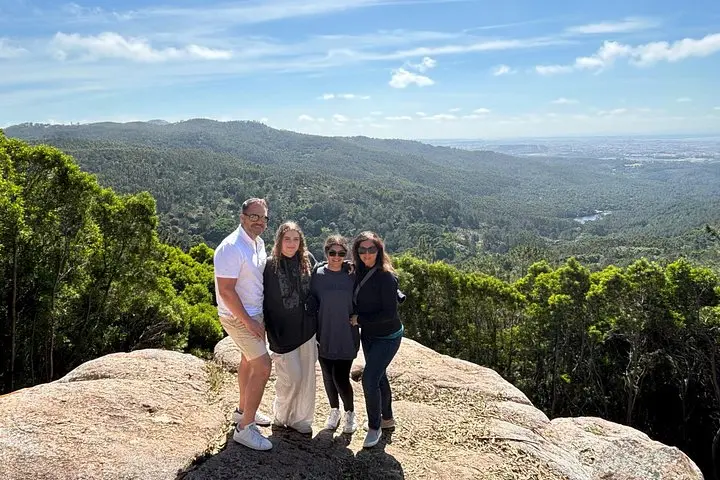
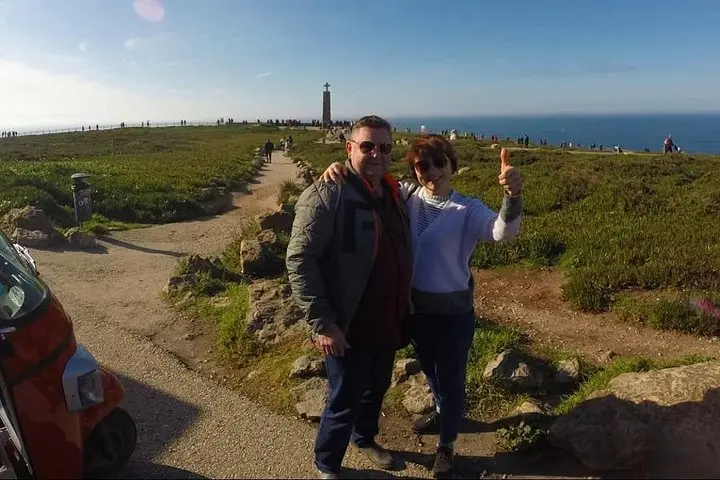
You slide out of Sintra’s narrow, tiled streets into a breeze that smells of salt and eucalyptus. The tuk tuk hums up the flanks of the Serra de Sintra—small, open, and oddly intimate—while the Atlantic stays just on the horizon, growing larger with every switchback. By the time you crest the road at Cabo da Roca, the ocean unfurls like a challenge: wind pushing, waves cutting the cliffs, and the metal sign declaring you at Europe’s westernmost edge.
Verified experiences and guided adventures in the surrounding area.
Operated by West Route Tours · Cascais, Lisbon District
You slide out of Sintra’s narrow, tiled streets into a breeze that smells of salt and eucalyptus. The tuk tuk hums up the flanks of the Serra de Sintra—small, open, and oddly intimate—while the Atlantic stays just on the horizon, growing larger with every switchback. By the time you crest the road at Cabo da Roca, the ocean unfurls like a challenge: wind pushing, waves cutting the cliffs, and the metal sign declaring you at Europe’s westernmost edge.
This short, 2½-hour ride threads together some of Portugal’s most dramatic coastal scenes. The Serra de Sintra is an old mass of granite and softer sediments, its slopes cut by narrow roads that reveal both the region’s volcanic and sedimentary origins. Cabo da Roca itself is a slab of resistant rock battered into cliffs and small coves by relentless Atlantic swell—an honest demonstration of coastal geomorphology in action.
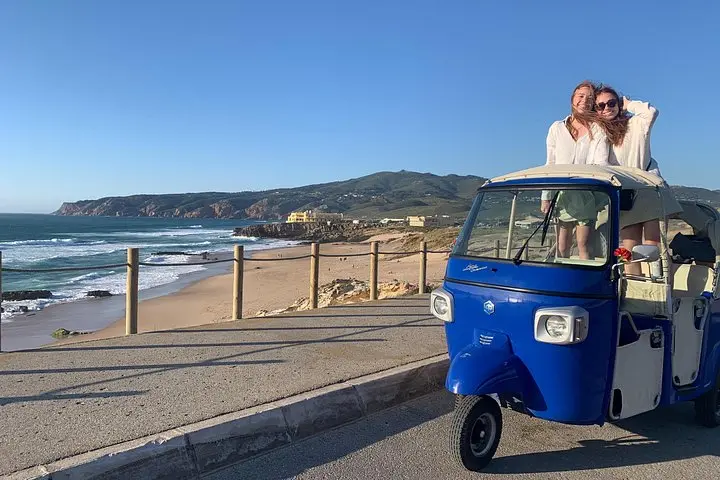
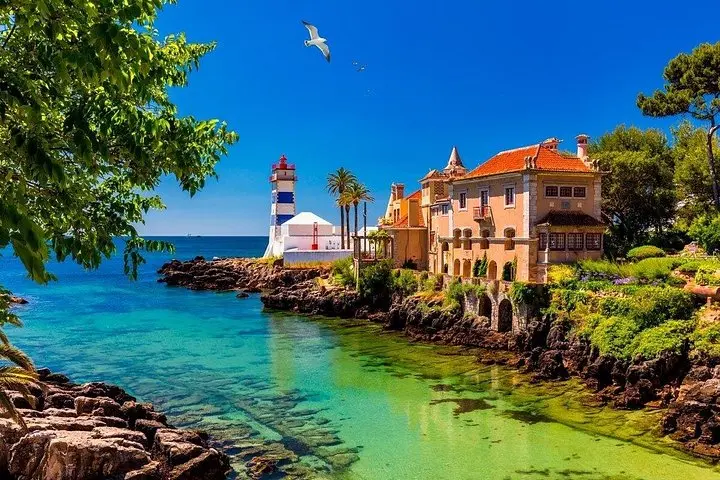
Culturally, the route stitches together a fishing past and a glamorous present. Cascais went from a sleepy fishing port to the Portuguese Riviera in the 19th century, its fortifications and lighthouses later turned into museums and cafés. Guincho’s broad white beach has been claimed by surfers and kite flyers for decades; Boca do Inferno—literally the Devil’s Mouth—shows the sea’s improvisational sculpting as waves squeeze into a collapsed cave and send spray skyward.
The tour is designed to be low-effort but high-reward: short stops at viewpoints and natural features give you time to walk a few hundred meters, snap photos, and breathe. Guides double as driver and local concierge—expect recommendations for restaurants, sunset spots, and a quick orientation to Cascais’ historic center when the tuk tuks pull in.
Practicalities: the whole experience runs about 150 minutes with four main stops—Cabo da Roca (≈40 min), Guincho (≈30 min), Boca do Inferno (≈30 min), and a final loop through Cascais (≈30 min). Small tuktuks mean groups larger than three may be split into multiple vehicles but will stay together. The route is accessible to most fitness levels but bring layers—the Atlantic wind can change the comfort level in minutes.
Booking notes: free pickup is available for many Sintra accommodations; cancellation is typically allowed up to 24 hours before departure. For photographers, early afternoon and late afternoon give contrasting light: hard side-light for cliff texture, warmer tones for sunsets behind Cascais. Footwear should handle uneven paths at lookout points, and a windproof layer will make the stops more pleasant.
If you want a quick introduction to Portugal’s wild-west coast without committing to a long hike or a rental car, this tuk tuk route delivers dramatic landscapes, local insight, and smart stops that make the coastline feel both immediate and approachable.
The private tuk tuk tour runs about 150 minutes (2.5 hours) with four main stops: Cabo da Roca, Guincho Beach, Boca do Inferno, and Cascais.
Tours typically start in Sintra (meeting points near the historic center) and end in the town of Cascais; pickup may be available from many Sintra hotels.
Yes—vehicles are small but accessible and the route is low-impact; passengers should be able to get in and out of the tuk tuk and handle short walks.
Groups larger than three will be split into multiple tuk tuks but the vehicles travel together so you remain as a group.
Yes—the guide provides local suggestions for dining, bars, and the best places to watch the sunset in Cascais and along the coast.
You can usually cancel for a full refund up to 24 hours before departure; confirm the specific policy at booking.
West Route Tours operates guided outdoor trips and adventures with an emphasis on safety, stewardship, and memorable experiences.
You slide out of Sintra’s narrow, tiled streets into a breeze that smells of salt and eucalyptus. The tuk tuk hums up the flanks of the Serra de Sintra—small, open, and oddly intimate—while the Atlantic stays just on the horizon, growing larger with every switchback. By the time you crest the road at Cabo da Roca, the ocean unfurls like a challenge: wind pushing, waves cutting the cliffs, and the metal sign declaring you at Europe’s westernmost edge.
You slide out of Sintra’s narrow, tiled streets into a breeze that smells of salt and eucalyptus. The tuk tuk hums up the flanks of the Serra de Sintra—small, open, and oddly intimate—while the Atlantic stays just on the horizon, growing larger with every switchback. By the time you crest the road at Cabo da Roca, the ocean unfurls like a challenge: wind pushing, waves cutting the cliffs, and the metal sign declaring you at Europe’s westernmost edge.
This short, 2½-hour ride threads together some of Portugal’s most dramatic coastal scenes. The Serra de Sintra is an old mass of granite and softer sediments, its slopes cut by narrow roads that reveal both the region’s volcanic and sedimentary origins. Cabo da Roca itself is a slab of resistant rock battered into cliffs and small coves by relentless Atlantic swell—an honest demonstration of coastal geomorphology in action.
Culturally, the route stitches together a fishing past and a glamorous present. Cascais went from a sleepy fishing port to the Portuguese Riviera in the 19th century, its fortifications and lighthouses later turned into museums and cafés. Guincho’s broad white beach has been claimed by surfers and kite flyers for decades; Boca do Inferno—literally the Devil’s Mouth—shows the sea’s improvisational sculpting as waves squeeze into a collapsed cave and send spray skyward.
The tour is designed to be low-effort but high-reward: short stops at viewpoints and natural features give you time to walk a few hundred meters, snap photos, and breathe. Guides double as driver and local concierge—expect recommendations for restaurants, sunset spots, and a quick orientation to Cascais’ historic center when the tuk tuks pull in.
Practicalities: the whole experience runs about 150 minutes with four main stops—Cabo da Roca (≈40 min), Guincho (≈30 min), Boca do Inferno (≈30 min), and a final loop through Cascais (≈30 min). Small tuktuks mean groups larger than three may be split into multiple vehicles but will stay together. The route is accessible to most fitness levels but bring layers—the Atlantic wind can change the comfort level in minutes.
Booking notes: free pickup is available for many Sintra accommodations; cancellation is typically allowed up to 24 hours before departure. For photographers, early afternoon and late afternoon give contrasting light: hard side-light for cliff texture, warmer tones for sunsets behind Cascais. Footwear should handle uneven paths at lookout points, and a windproof layer will make the stops more pleasant.
If you want a quick introduction to Portugal’s wild-west coast without committing to a long hike or a rental car, this tuk tuk route delivers dramatic landscapes, local insight, and smart stops that make the coastline feel both immediate and approachable.