THE ADVENTURE COLLECTIVE® · Independent discovery and booking for outdoor travel

Spend a day touring Tulum’s cliff-top ruins, snorkeling the Caribbean reef for fish and turtles, and cooling off in a dramatic jungle cenote. This private, full-day adventure blends archaeology, marine life, and subterranean swimming with local food and guided insight.
Spend a day touring Tulum’s cliff-top ruins, snorkeling the Caribbean reef for fish and turtles, and cooling off in a dramatic jungle cenote. This private, full-day adventure blends archaeology, marine life, and subterranean swimming with local food and guided insight.
A turquoise horizon opens as the guide leads the small private group onto the cliff edge where the Mayan ruins look out over the Caribbean. Salt air and surf-frame the stone buildings; gulls wheel and the ocean seems to dare you to step closer and listen.
Verified experiences and guided adventures in the surrounding area.
Operated by Ocean Tours Mexico · Tulum, Quintana Roo
A turquoise horizon opens as the guide leads the small private group onto the cliff edge where the Mayan ruins look out over the Caribbean. Salt air and surf-frame the stone buildings; gulls wheel and the ocean seems to dare you to step closer and listen.
The day moves from exposed coastal archaeology to the sunlit shallows of the reef, then drops you into the cool, subterranean stillness of a cenote. The Tulum site sits on limestone cliffs uplifted by ancient geologic forces; the reef is part of the Mesoamerican Barrier, alive with parrotfish, angelfish and—on good days—green turtles that glide through seagrass. Cenotes here are sinkholes formed where the porous Yucatán limestone collapsed, exposing freshwater chambers threaded with stalactites and clear stratified water.
Culturally, Tulum was a late-Postclassic trading port; local guides point out architectural features and the site’s role in coastal navigation. Expect brief lessons on marine and Mayan conservation and a chance to buy a Marine Wildlife Conservation bracelet at pickup.
Practically: this private 7‑hour loop includes round-trip transport, snorkel gear, and a Mayan taco lunch. Bring a swimsuit, quick-dry layers, reef‑safe sunscreen applied on land, cash for the conservation bracelet, and footwear that grips wet surfaces. Fitness should be moderate—short walks, boat transfers and snorkeling on rolling water. Timing your visit for morning light at the ruins reduces crowds and improves snorkel visibility. The route alternates sun and shelter; plan hydration, shade, and a camera that tolerates humidity.
Yes—snorkeling equipment is supplied as part of the tour, including mask, snorkel, and fins.
Families can join; infant seats and stroller access are available, but participants should be able to swim and handle boat transfers.
Admissions for the reef snorkel and cenotes are included; the Tulum archaeological site portion requires entry which is covered in this private tour description (follow local guide instructions).
Operators monitor weather and sea conditions—tours can be canceled for safety; guides provide life vests and briefings for all water activities.
Ocean Tours Mexico operates guided outdoor trips and adventures with an emphasis on safety, stewardship, and memorable experiences.
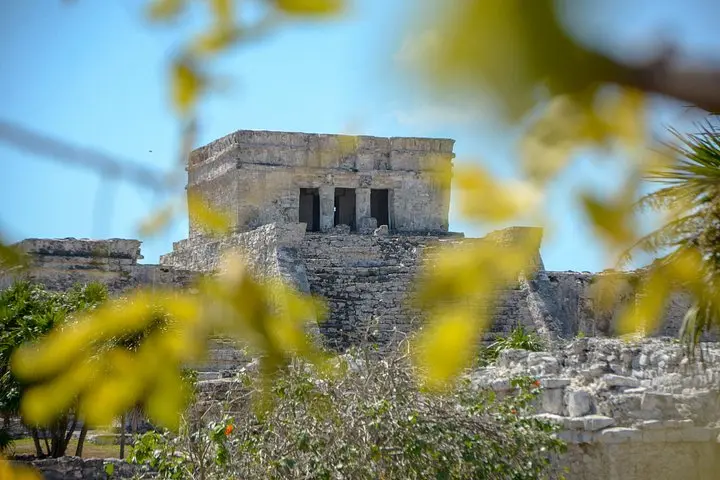
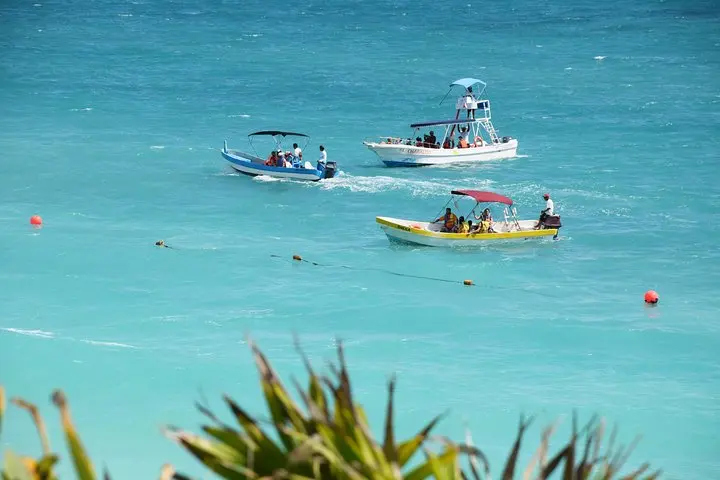
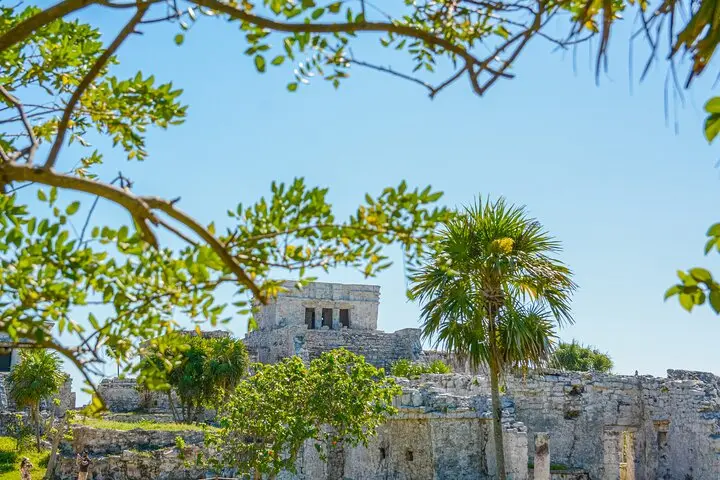
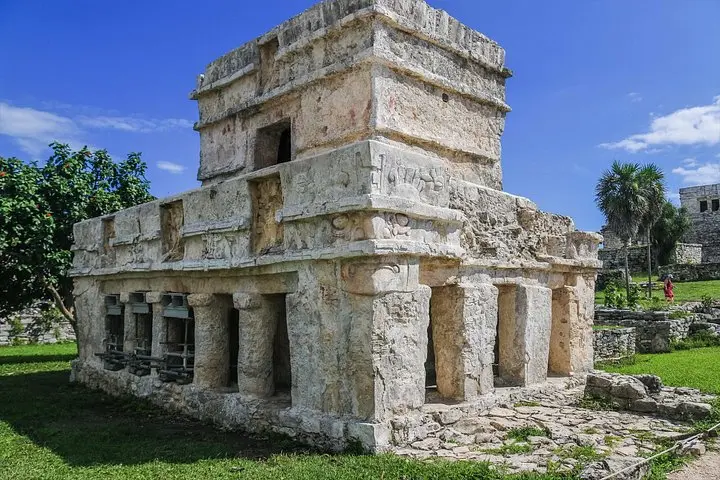
A turquoise horizon opens as the guide leads the small private group onto the cliff edge where the Mayan ruins look out over the Caribbean. Salt air and surf-frame the stone buildings; gulls wheel and the ocean seems to dare you to step closer and listen.
A turquoise horizon opens as the guide leads the small private group onto the cliff edge where the Mayan ruins look out over the Caribbean. Salt air and surf-frame the stone buildings; gulls wheel and the ocean seems to dare you to step closer and listen.
The day moves from exposed coastal archaeology to the sunlit shallows of the reef, then drops you into the cool, subterranean stillness of a cenote. The Tulum site sits on limestone cliffs uplifted by ancient geologic forces; the reef is part of the Mesoamerican Barrier, alive with parrotfish, angelfish and—on good days—green turtles that glide through seagrass. Cenotes here are sinkholes formed where the porous Yucatán limestone collapsed, exposing freshwater chambers threaded with stalactites and clear stratified water.
Culturally, Tulum was a late-Postclassic trading port; local guides point out architectural features and the site’s role in coastal navigation. Expect brief lessons on marine and Mayan conservation and a chance to buy a Marine Wildlife Conservation bracelet at pickup.
Practically: this private 7‑hour loop includes round-trip transport, snorkel gear, and a Mayan taco lunch. Bring a swimsuit, quick-dry layers, reef‑safe sunscreen applied on land, cash for the conservation bracelet, and footwear that grips wet surfaces. Fitness should be moderate—short walks, boat transfers and snorkeling on rolling water. Timing your visit for morning light at the ruins reduces crowds and improves snorkel visibility. The route alternates sun and shelter; plan hydration, shade, and a camera that tolerates humidity.