THE ADVENTURE COLLECTIVE® · Independent discovery and booking for outdoor travel

A private half-day that pairs the dramatic sea-front ruins of Tulum with a swim in a crystalline cenote. Choose between cavern snorkel routes or a quieter open cenote for an intimate look at the Riviera Maya’s history and geology.
A private half-day that pairs the dramatic sea-front ruins of Tulum with a swim in a crystalline cenote. Choose between cavern snorkel routes or a quieter open cenote for an intimate look at the Riviera Maya’s history and geology.
Morning light slides across a limestone cliff and a guide named Alejandro points toward a squat stone tower where the Caribbean pulls itself up to the shore. The air smells faintly of salt and wet jungle; the ruins of Tulum stand like a coastal city paused in the act of watching the sea. This is not a rushed bus stop — it’s a private, four- to six-hour day built for a small group, where local knowledge shapes the pace and the places you linger.
Verified experiences and guided adventures in the surrounding area.
Operated by Alex In Tulum | Transfers & Tours · Tulum, Quintana Roo
Morning light slides across a limestone cliff and a guide named Alejandro points toward a squat stone tower where the Caribbean pulls itself up to the shore. The air smells faintly of salt and wet jungle; the ruins of Tulum stand like a coastal city paused in the act of watching the sea. This is not a rushed bus stop — it’s a private, four- to six-hour day built for a small group, where local knowledge shapes the pace and the places you linger.
Tulum was one of the last major cities built and inhabited by the Maya, a fortified trading port whose stone walls marked commerce routes between the gulf and the sea. The archaeology here is intimate — The Castle (El Castillo) perches above crashing surf, the Temple of the Frescoes preserves faded cosmology, and the old walls still map the city’s defensive intent. Geologically the Riviera Maya rests on porous karst: rain carves rivers underground and, over millennia, creates cenotes — sinkholes that are the region’s natural wells and portals to subterranean freshwater rivers.
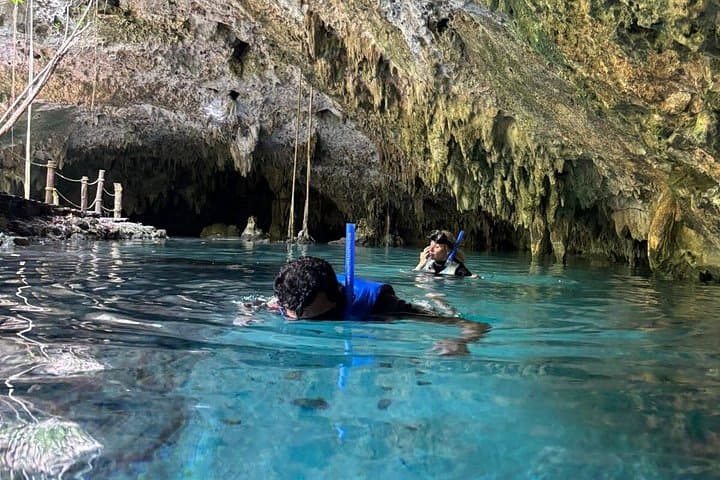
Your private guide will translate glyphs and point out the practical Mayan engineering, then steer you away from the crowd rhythms to a cenote that fits your appetite for wonder. Choose Sac Actun if you want cavern passages and dramatic stalactites in crystal-clear water, where sunbeams sometimes cut through to illuminate suspended silt. Opt for Nohoch if you prefer a quieter cave with intimate swim arcs and tighter rock formations (Nohoch may carry an extra fee). Both offer snorkeling and a cool, buoyant respite — the cenotes can feel like the place the peninsula breathes from beneath.
The cultural thread here is immediate: Yucatecan flavors and small-village life, the modern descendants of Maya who still fish, tend to fields, and keep ritual ties to these freshwater sources. Respect is part of the visit — wear reef-safe sunscreen and follow your guide’s brief on swim etiquette.
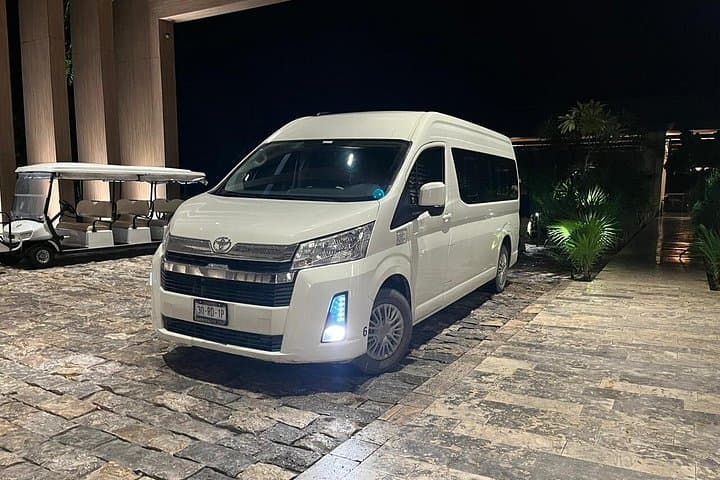
Practicalities are straightforward. The trip includes private transport, bottled water and entrance fees; pick-up from most Tulum hotels is handled. Expect 150 minutes at the archaeological site and roughly 120 minutes at the cenote. Terrain is mostly flat limestone and sandy paths with some steps and uneven surfaces; bring water shoes or sturdy sandals, a swimsuit, and a change of clothes. Morning tours avoid midday heat and the largest crowds; plan for humid, warm conditions and pack a light towel and insect repellent.
This private combination of sea-facing ruins and freshwater cavern is equal parts history lesson and physical cool-down — an efficient, sensory-rich way to experience the Riviera Maya’s two most compelling elements: an ocean that claims the horizon and a subterranean world that invites you to swim inside the earth.
Yes — private round-trip transportation from most Tulum hotels is included in the tour price.
Entrance fees are included; basic snorkeling equipment is provided at the cenote.
Yes, but infants should sit on an adult’s lap during transport and children should be comfortable in water; strollers are accommodated.
Expect about 1.5–2 hours of walking over uneven limestone, stairs, and sandy paths — comfortable shoes are recommended.
Choose a more open cenote or request Nohoch for a gentler, smaller-cave environment; instructors and life jackets are available on request.
Tours can be canceled for severe weather; light tropical rain rarely disrupts cenote swims but visibility can change after heavy downpours.
Alex In Tulum | Transfers & Tours operates guided outdoor trips and adventures with an emphasis on safety, stewardship, and memorable experiences.


Morning light slides across a limestone cliff and a guide named Alejandro points toward a squat stone tower where the Caribbean pulls itself up to the shore. The air smells faintly of salt and wet jungle; the ruins of Tulum stand like a coastal city paused in the act of watching the sea. This is not a rushed bus stop — it’s a private, four- to six-hour day built for a small group, where local knowledge shapes the pace and the places you linger.
Morning light slides across a limestone cliff and a guide named Alejandro points toward a squat stone tower where the Caribbean pulls itself up to the shore. The air smells faintly of salt and wet jungle; the ruins of Tulum stand like a coastal city paused in the act of watching the sea. This is not a rushed bus stop — it’s a private, four- to six-hour day built for a small group, where local knowledge shapes the pace and the places you linger.
Tulum was one of the last major cities built and inhabited by the Maya, a fortified trading port whose stone walls marked commerce routes between the gulf and the sea. The archaeology here is intimate — The Castle (El Castillo) perches above crashing surf, the Temple of the Frescoes preserves faded cosmology, and the old walls still map the city’s defensive intent. Geologically the Riviera Maya rests on porous karst: rain carves rivers underground and, over millennia, creates cenotes — sinkholes that are the region’s natural wells and portals to subterranean freshwater rivers.
Your private guide will translate glyphs and point out the practical Mayan engineering, then steer you away from the crowd rhythms to a cenote that fits your appetite for wonder. Choose Sac Actun if you want cavern passages and dramatic stalactites in crystal-clear water, where sunbeams sometimes cut through to illuminate suspended silt. Opt for Nohoch if you prefer a quieter cave with intimate swim arcs and tighter rock formations (Nohoch may carry an extra fee). Both offer snorkeling and a cool, buoyant respite — the cenotes can feel like the place the peninsula breathes from beneath.
The cultural thread here is immediate: Yucatecan flavors and small-village life, the modern descendants of Maya who still fish, tend to fields, and keep ritual ties to these freshwater sources. Respect is part of the visit — wear reef-safe sunscreen and follow your guide’s brief on swim etiquette.
Practicalities are straightforward. The trip includes private transport, bottled water and entrance fees; pick-up from most Tulum hotels is handled. Expect 150 minutes at the archaeological site and roughly 120 minutes at the cenote. Terrain is mostly flat limestone and sandy paths with some steps and uneven surfaces; bring water shoes or sturdy sandals, a swimsuit, and a change of clothes. Morning tours avoid midday heat and the largest crowds; plan for humid, warm conditions and pack a light towel and insect repellent.
This private combination of sea-facing ruins and freshwater cavern is equal parts history lesson and physical cool-down — an efficient, sensory-rich way to experience the Riviera Maya’s two most compelling elements: an ocean that claims the horizon and a subterranean world that invites you to swim inside the earth.