THE ADVENTURE COLLECTIVE® · Independent discovery and booking for outdoor travel

Explore Tulum’s cliffside ruins, step barefoot into the Azulik Ik Lab museum, and encounter Daniel Popper’s massive sculpture at Ahau Sculpture Park on a private 4–6 hour tour. This excursion blends archaeology, contemporary eco-architecture and large-scale art with private transport and local guidance.
Explore Tulum’s cliffside ruins, step barefoot into the Azulik Ik Lab museum, and encounter Daniel Popper’s massive sculpture at Ahau Sculpture Park on a private 4–6 hour tour. This excursion blends archaeology, contemporary eco-architecture and large-scale art with private transport and local guidance.
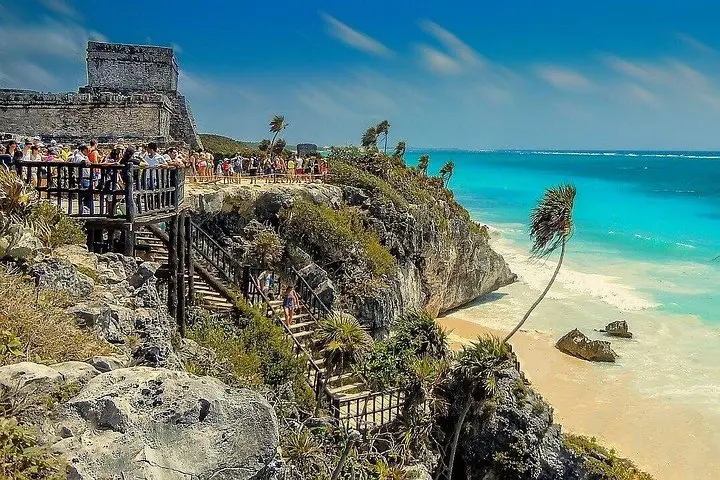
You step off the shaded minivan into a strip of wind that carries salt and the distant crash of the Caribbean — the Tulum ruins sit on a limestone bluff, white sand fanning out below and palms quietly keeping watch. The city’s stone walls rise like a human answer to the sea, and walking the narrow paths between temples places you face-to-face with a Mayan port that once directed trade along the Yucatán coast.
Verified experiences and guided adventures in the surrounding area.
Operated by Trip To Mexico · Tulum, Quintana Roo
You step off the shaded minivan into a strip of wind that carries salt and the distant crash of the Caribbean — the Tulum ruins sit on a limestone bluff, white sand fanning out below and palms quietly keeping watch. The city’s stone walls rise like a human answer to the sea, and walking the narrow paths between temples places you face-to-face with a Mayan port that once directed trade along the Yucatán coast.
Tulum is one of the last classical Mayan sites, built and occupied during the Postclassic era; its position speaks to both defense and commerce. Geologically the area is karst: porous limestone that has carved cenotes and cliffs, channels where groundwater meets ocean and where the coastline changes color from turquoise to deep indigo.
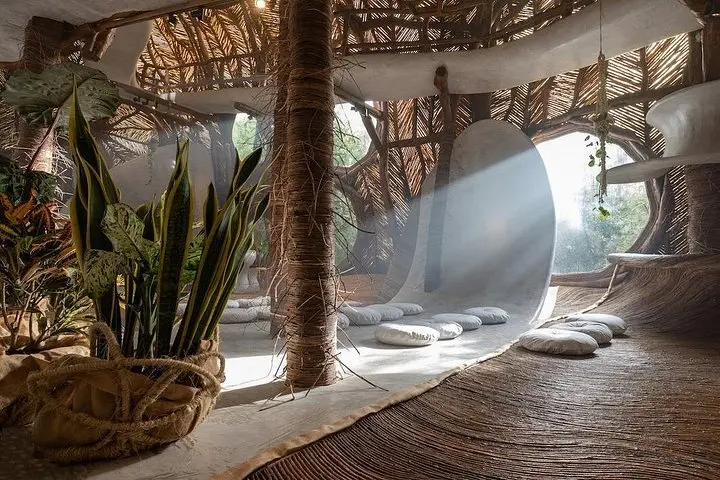
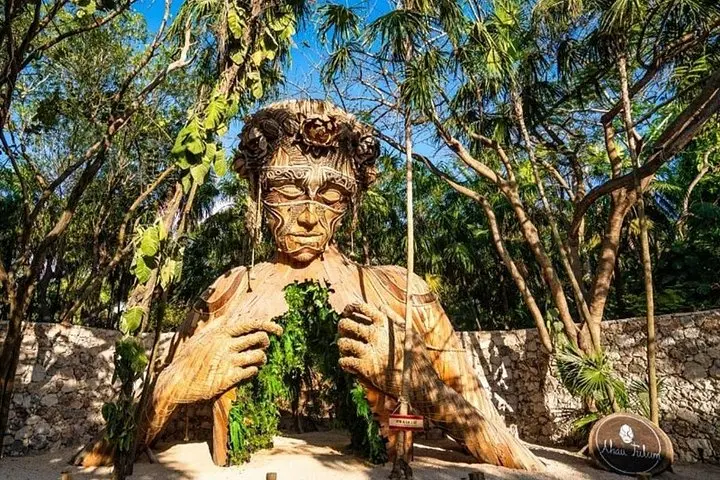
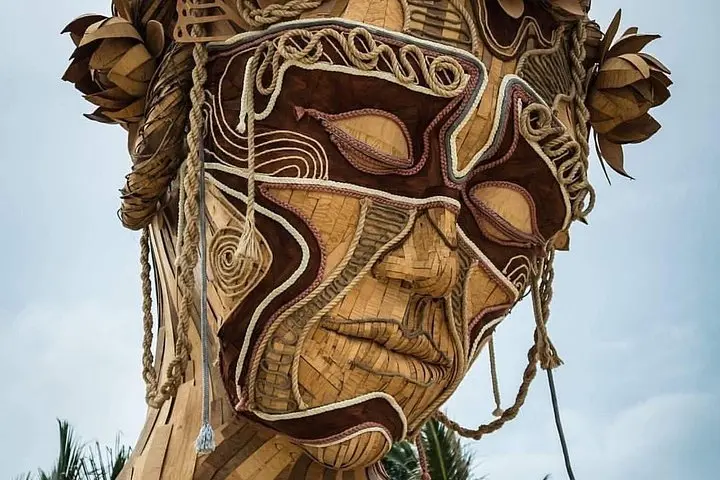
Modern Tulum layers contemporary ecological design over ancient culture. Azulik’s Ik Lab museum uses organic materials and barefoot entry to emphasize sensory connection; photography and large bags are restricted to preserve the space. Nearby, Ahau’s sculpture park gives scale to Daniel Popper’s “Ven a la Luz,” a towering artwork that invites interaction between art and the jungle.
Practicalities: expect a 4–6 hour private outing with hotel pick-up, conservation fees and admissions typically included. Start early to avoid midday heat and crowds; bring a hat, reef-safe sunscreen and comfortable shoes for uneven ruins — note you’ll remove shoes at Azulik. Guides handle logistics and local context, but plan for a mix of walking on packed dirt, stone steps and short boardwalks. Hydrate, respect roped-off areas, and leave ample time for photos and quiet observation — the coastline, the jungle and contemporary art all demand different kinds of attention.
Most private tours include hotel pickup, drop-off, conservation fees and museum admissions—confirm at booking but this itinerary generally covers those costs.
Azulik prohibits professional cameras and large bags; casual photography is often restricted inside galleries, while the sculpture park is photo-friendly—follow site rules.
Yes—tour logistics note infants must sit on laps; the walking is light but uneven in places so supervise children near cliffs and steps.
Wear breathable clothing, sturdy shoes for walking and a hat; expect sandy paths, stone steps and sections without shade.
Trip To Mexico operates guided outdoor trips and adventures with an emphasis on safety, stewardship, and memorable experiences.
You step off the shaded minivan into a strip of wind that carries salt and the distant crash of the Caribbean — the Tulum ruins sit on a limestone bluff, white sand fanning out below and palms quietly keeping watch. The city’s stone walls rise like a human answer to the sea, and walking the narrow paths between temples places you face-to-face with a Mayan port that once directed trade along the Yucatán coast.
You step off the shaded minivan into a strip of wind that carries salt and the distant crash of the Caribbean — the Tulum ruins sit on a limestone bluff, white sand fanning out below and palms quietly keeping watch. The city’s stone walls rise like a human answer to the sea, and walking the narrow paths between temples places you face-to-face with a Mayan port that once directed trade along the Yucatán coast.
Tulum is one of the last classical Mayan sites, built and occupied during the Postclassic era; its position speaks to both defense and commerce. Geologically the area is karst: porous limestone that has carved cenotes and cliffs, channels where groundwater meets ocean and where the coastline changes color from turquoise to deep indigo.
Modern Tulum layers contemporary ecological design over ancient culture. Azulik’s Ik Lab museum uses organic materials and barefoot entry to emphasize sensory connection; photography and large bags are restricted to preserve the space. Nearby, Ahau’s sculpture park gives scale to Daniel Popper’s “Ven a la Luz,” a towering artwork that invites interaction between art and the jungle.
Practicalities: expect a 4–6 hour private outing with hotel pick-up, conservation fees and admissions typically included. Start early to avoid midday heat and crowds; bring a hat, reef-safe sunscreen and comfortable shoes for uneven ruins — note you’ll remove shoes at Azulik. Guides handle logistics and local context, but plan for a mix of walking on packed dirt, stone steps and short boardwalks. Hydrate, respect roped-off areas, and leave ample time for photos and quiet observation — the coastline, the jungle and contemporary art all demand different kinds of attention.