THE ADVENTURE COLLECTIVE® · Independent discovery and booking for outdoor travel

Spend a full day moving from Pisa’s marble square to Lucca’s tree-topped walls and a hilltop organic cheese farm. This private tour blends medieval architecture with hands-on dairy tasting and regional wine.
Spend a full day moving from Pisa’s marble square to Lucca’s tree-topped walls and a hilltop organic cheese farm. This private tour blends medieval architecture with hands-on dairy tasting and regional wine.
You step out of the van onto sun-warmed stone and the first smell is coffee and sea-salt — Pisa’s marble square opens like a stage. The Leaning Tower tilts against a cerulean sky; bells still mark time while tourists thread around Romanesque façades. Later the road climbs into patchworked hills, vineyards giving way to a low, green ridge crowned by an organic dairy where steam and warm curds speak of centuries-old practice.
Verified experiences and guided adventures in the surrounding area.
Operated by Events in Italy · Florence, Tuscany
You step out of the van onto sun-warmed stone and the first smell is coffee and sea-salt — Pisa’s marble square opens like a stage. The Leaning Tower tilts against a cerulean sky; bells still mark time while tourists thread around Romanesque façades. Later the road climbs into patchworked hills, vineyards giving way to a low, green ridge crowned by an organic dairy where steam and warm curds speak of centuries-old practice.
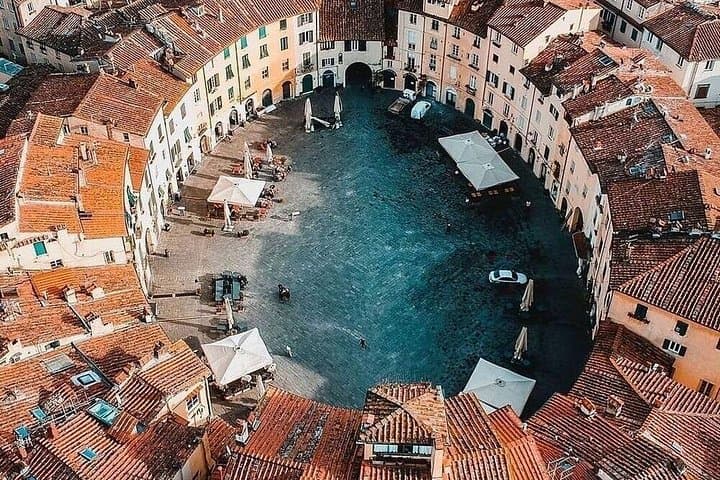
Pisa’s Piazza dei Miracoli grew from medieval maritime wealth and Byzantine influences; its marble mosaics and pointed arches illustrate a region shaped by trade and art. Lucca’s intact Renaissance walls, wide enough for a bike ride, reflect a defensive past that later became public promenade. Geologically, the area shifts from alluvial coastal plains near Pisa to Pliocene hill-country where clay and limestone favor olive and grape.
Culturally the day pairs architectural history with rural gastronomy — the dairy visit explains pecorino’s sheep-milk origins and local ricotta techniques, followed by guided tastings of cheeses and Tuscan wines.
Practical guidance: expect 8–9 hours with two sustained walking stops (approx. 2 hours each in Pisa and Lucca) and moderate, mostly paved walking. Wear supportive shoes for cobbles and a light layer for coastal breezes. Bring a refillable water bottle and a camera with extra memory; lunch is at the cheese farm with tastings included. Tours run year-round but shoulder seasons offer fewer crowds and milder light for photographs. Private transport and a local guide make navigation and timing straightforward — arrive with passport details for booking and any dietary notes for the farm tasting.
Most bookings pick up and return to central Florence hotels; exact pickup point is confirmed at booking.
Yes — the tour includes a guided visit and tasting at an organic dairy; hands-on participation depends on the farm’s daily operations.
Transport is private and accessible, but historic sites in Pisa and Lucca have cobblestones and steps that may limit full mobility; contact the operator to discuss accommodations.
Local wines and water are included with the cheese tasting and lunch, as stated in the itinerary inclusions.
Events in Italy operates guided outdoor trips and adventures with an emphasis on safety, stewardship, and memorable experiences.
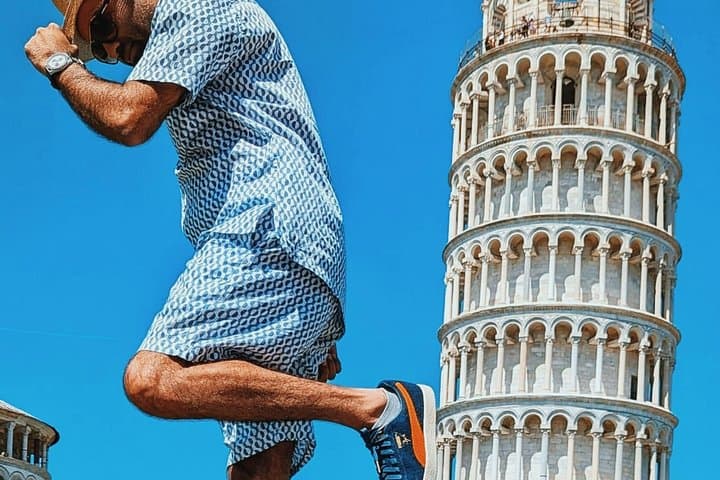
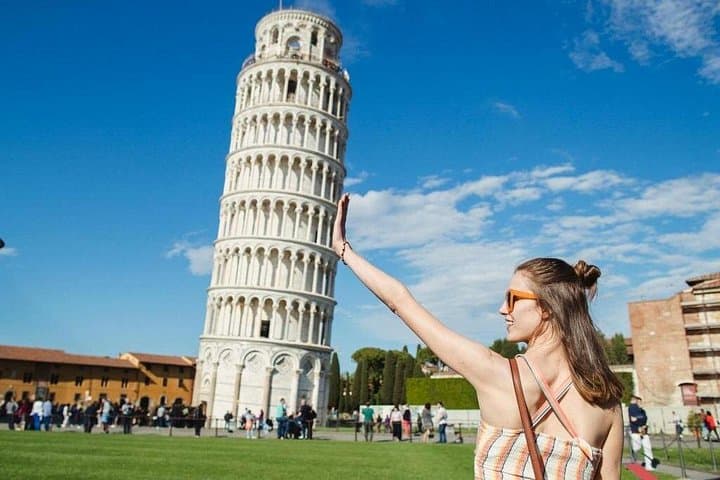
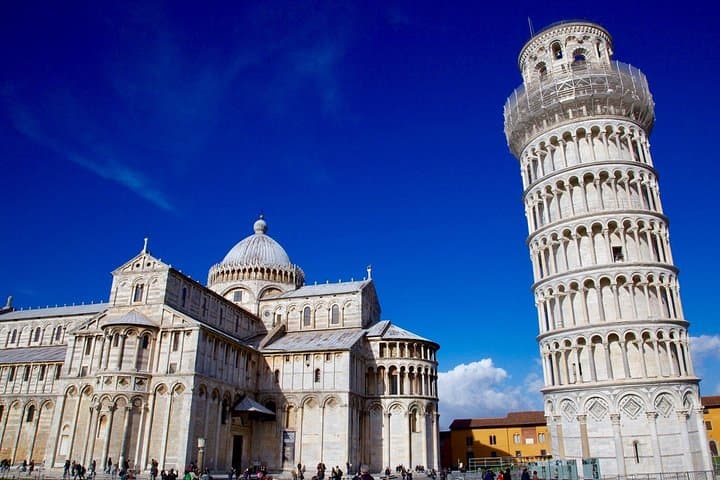
You step out of the van onto sun-warmed stone and the first smell is coffee and sea-salt — Pisa’s marble square opens like a stage. The Leaning Tower tilts against a cerulean sky; bells still mark time while tourists thread around Romanesque façades. Later the road climbs into patchworked hills, vineyards giving way to a low, green ridge crowned by an organic dairy where steam and warm curds speak of centuries-old practice.
You step out of the van onto sun-warmed stone and the first smell is coffee and sea-salt — Pisa’s marble square opens like a stage. The Leaning Tower tilts against a cerulean sky; bells still mark time while tourists thread around Romanesque façades. Later the road climbs into patchworked hills, vineyards giving way to a low, green ridge crowned by an organic dairy where steam and warm curds speak of centuries-old practice.
Pisa’s Piazza dei Miracoli grew from medieval maritime wealth and Byzantine influences; its marble mosaics and pointed arches illustrate a region shaped by trade and art. Lucca’s intact Renaissance walls, wide enough for a bike ride, reflect a defensive past that later became public promenade. Geologically, the area shifts from alluvial coastal plains near Pisa to Pliocene hill-country where clay and limestone favor olive and grape.
Culturally the day pairs architectural history with rural gastronomy — the dairy visit explains pecorino’s sheep-milk origins and local ricotta techniques, followed by guided tastings of cheeses and Tuscan wines.
Practical guidance: expect 8–9 hours with two sustained walking stops (approx. 2 hours each in Pisa and Lucca) and moderate, mostly paved walking. Wear supportive shoes for cobbles and a light layer for coastal breezes. Bring a refillable water bottle and a camera with extra memory; lunch is at the cheese farm with tastings included. Tours run year-round but shoulder seasons offer fewer crowds and milder light for photographs. Private transport and a local guide make navigation and timing straightforward — arrive with passport details for booking and any dietary notes for the farm tasting.