THE ADVENTURE COLLECTIVE® · Independent discovery and booking for outdoor travel

Watch sunrise peel back the silhouette of Angkor Wat, then spend two days moving from the park’s busiest stupas to remote jungle temples. This private tour combines the headline sites with quieter corners—Banteay Srey, Kbal Spean and Ta Nei—for a focused cultural sweep.
Watch sunrise peel back the silhouette of Angkor Wat, then spend two days moving from the park’s busiest stupas to remote jungle temples. This private tour combines the headline sites with quieter corners—Banteay Srey, Kbal Spean and Ta Nei—for a focused cultural sweep.
You arrive before dawn, engine hum low, while the first light sharpens the towers of Angkor Wat into black silhouettes against a pale sky. The moat breathes mist; tree roots pry at carved lintels and the driver smiles as the sun nudges bas-reliefs into relief. Over two days the park unfolds from crowded avenues to quiet clearings where crumbling stones keep their own slow counsel.
Verified experiences and guided adventures in the surrounding area.
Operated by Royal Angkor Tours · Siem Reap, Siem Reap Province
You arrive before dawn, engine hum low, while the first light sharpens the towers of Angkor Wat into black silhouettes against a pale sky. The moat breathes mist; tree roots pry at carved lintels and the driver smiles as the sun nudges bas-reliefs into relief. Over two days the park unfolds from crowded avenues to quiet clearings where crumbling stones keep their own slow counsel.
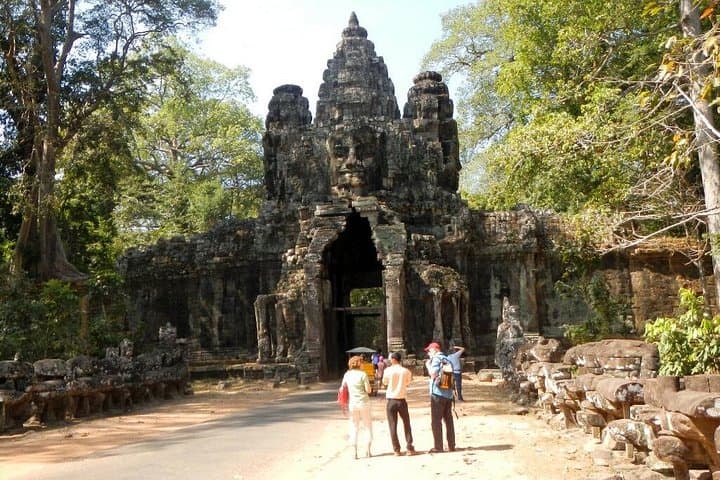
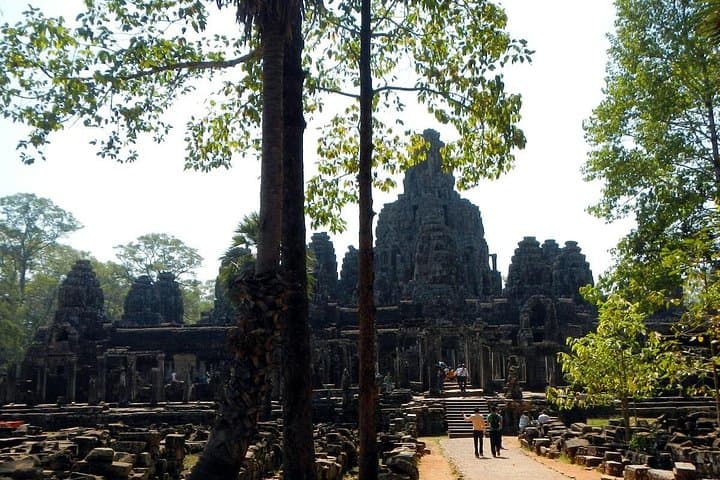
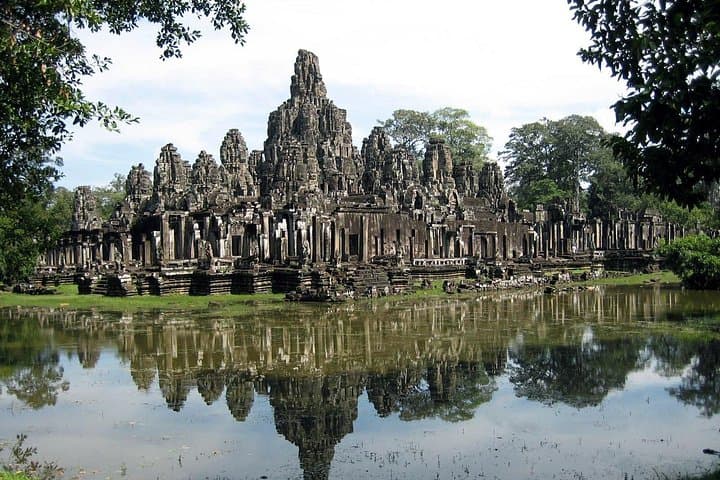
Angkor grew into the heart of the Khmer Empire between the 9th and 13th centuries. Angkor Wat, begun under Suryavarman II in the early 12th century, is a vast sandstone hymn in horizontal layers and steep stairways; nearby Angkor Thom and Bayon show Jayavarman VII’s monumental faces and laterite foundations. Geology matters here — soft sandstone carved with incredible detail sits atop harder substrates, and seasonal rivers shaped where temples sit.
This tour pairs big-name wonders with quieter sites: Ta Prohm’s strangling trees, the pink-carved Banteay Srey, and Kbal Spean’s riverbed lingas reached by a short jungle walk. Expect rice paddies, village life, and roadside stands selling sugarcane and fried bananas.
Practical edge: start before sunrise to avoid heat and crowds, carry a valid Angkor pass, dress shoulder-and-knee conservative for temple entry, and bring a refillable water bottle and good closed-toe shoes for uneven steps. Plan lunch timing—options range from park stalls to local restaurants—and reserve the second day for remote sites (some are 30–60 km from Siem Reap). A guide clarifies iconography, points out subtle reliefs, and routes you to quieter windows of experience while helping you move respectfully through an active archaeological landscape.
Yes — a valid Angkor Park pass is required to enter the temple complexes; your operator can advise on purchase locations and pass durations.
Many sites have steep, uneven steps; while some areas near main entrances are more accessible, full access often requires negotiating stairs and soft ground.
Sunrise is popular; arriving early and using a private guide or tailored route can help you find less-congested viewing spots.
Yes — there are stalls and small restaurants in the park and near major sites, though options are limited in remote temple areas, so plan accordingly.
Royal Angkor Tours operates guided outdoor trips and adventures with an emphasis on safety, stewardship, and memorable experiences.
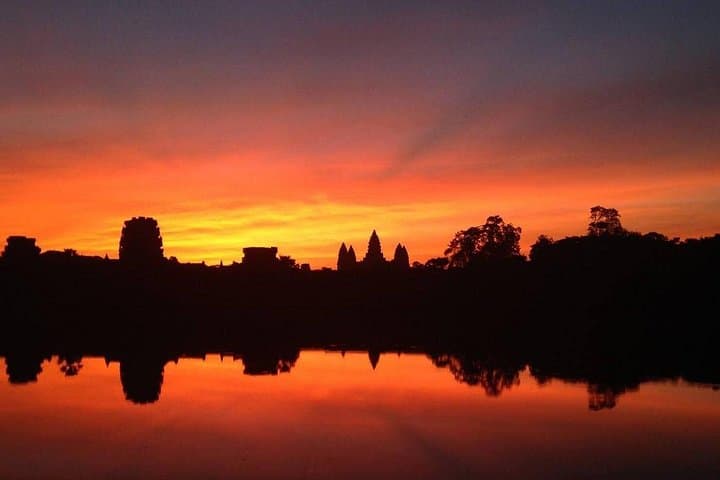
You arrive before dawn, engine hum low, while the first light sharpens the towers of Angkor Wat into black silhouettes against a pale sky. The moat breathes mist; tree roots pry at carved lintels and the driver smiles as the sun nudges bas-reliefs into relief. Over two days the park unfolds from crowded avenues to quiet clearings where crumbling stones keep their own slow counsel.
You arrive before dawn, engine hum low, while the first light sharpens the towers of Angkor Wat into black silhouettes against a pale sky. The moat breathes mist; tree roots pry at carved lintels and the driver smiles as the sun nudges bas-reliefs into relief. Over two days the park unfolds from crowded avenues to quiet clearings where crumbling stones keep their own slow counsel.
Angkor grew into the heart of the Khmer Empire between the 9th and 13th centuries. Angkor Wat, begun under Suryavarman II in the early 12th century, is a vast sandstone hymn in horizontal layers and steep stairways; nearby Angkor Thom and Bayon show Jayavarman VII’s monumental faces and laterite foundations. Geology matters here — soft sandstone carved with incredible detail sits atop harder substrates, and seasonal rivers shaped where temples sit.
This tour pairs big-name wonders with quieter sites: Ta Prohm’s strangling trees, the pink-carved Banteay Srey, and Kbal Spean’s riverbed lingas reached by a short jungle walk. Expect rice paddies, village life, and roadside stands selling sugarcane and fried bananas.
Practical edge: start before sunrise to avoid heat and crowds, carry a valid Angkor pass, dress shoulder-and-knee conservative for temple entry, and bring a refillable water bottle and good closed-toe shoes for uneven steps. Plan lunch timing—options range from park stalls to local restaurants—and reserve the second day for remote sites (some are 30–60 km from Siem Reap). A guide clarifies iconography, points out subtle reliefs, and routes you to quieter windows of experience while helping you move respectfully through an active archaeological landscape.