THE ADVENTURE COLLECTIVE® · Independent discovery and booking for outdoor travel

Spend two focused days with a private guide exploring Angkor’s iconic temples at dawn and then crossing Tonle Sap’s shifting waters to visit stilt villages and artisans. This compact itinerary blends archaeology, living culture and a practical primer for navigating heat, crowds and wet-season water levels.
Spend two focused days with a private guide exploring Angkor’s iconic temples at dawn and then crossing Tonle Sap’s shifting waters to visit stilt villages and artisans. This compact itinerary blends archaeology, living culture and a practical primer for navigating heat, crowds and wet-season water levels.
Dawn arrives over stone faces and puddled causeways as a private guide opens the gate to Angkor’s ceremonial heart. You step onto an avenue guarded by devas and demons, the air already humid and the first shafts of light sliding across bas-reliefs. The circuit moves from the four-faced towers of Bayon to the root-entangled galleries of Ta Prohm, then out across rice plains toward Angkor Wat’s reflecting moat where the sunrise paints the central towers.
Verified experiences and guided adventures in the surrounding area.
Operated by Tour Guide-Siem Reap · Siem Reap, Siem Reap Province
Dawn arrives over stone faces and puddled causeways as a private guide opens the gate to Angkor’s ceremonial heart. You step onto an avenue guarded by devas and demons, the air already humid and the first shafts of light sliding across bas-reliefs. The circuit moves from the four-faced towers of Bayon to the root-entangled galleries of Ta Prohm, then out across rice plains toward Angkor Wat’s reflecting moat where the sunrise paints the central towers.
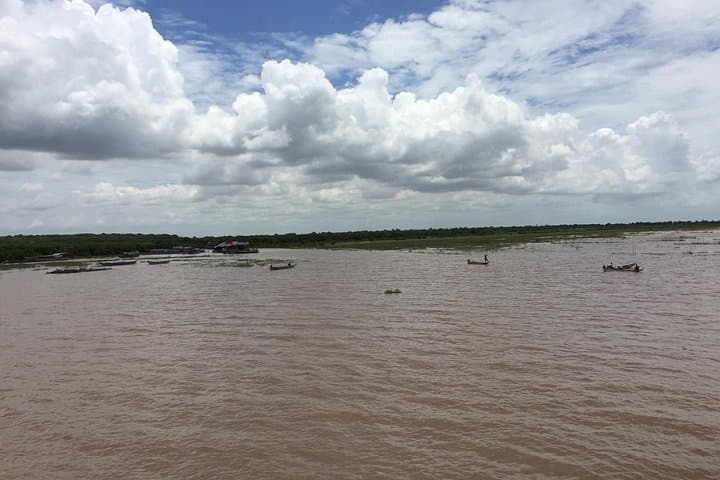
The temples record the Khmer Empire’s ambitions—Hindu cosmology carved in sandstone, later layered with Buddhist devotion. Geologically the site sits on uplifted Mesozoic sandstone laid over older basement rock; the porous stone and tropical monsoon climate created the weathered, ribbed surfaces seen today. On day two the tour shifts to Tonle Sap, where the lake breathes with the seasons and stilt villages rise like a community that moves with the water. Local artisans maintain centuries-old crafts at the Artisans d'Angkor, tying cultural revival to livelihoods.
Practical edge: expect long days on uneven steps and compacted earth; comfortable, breathable clothing and steady footwear matter more than style. Carry water, sun protection and small Cambodian riel for market purchases. Sunrise visits beat crowds but mean a very early pickup; midday light is harsh but good for close carvings. On the lake, listen to your guide about changing water levels and watch for river birds and water monitors; the environment is lively and, at times, fragile. A private two-day itinerary compresses the region’s history and ecology into a concentrated, accessible experience.
Entrance fees are generally separate from private tours; confirm with the operator—most private tours will advise you on where to purchase the Angkor pass before entry.
The listing notes wheelchair-accessible transfer options, but many temple areas have steps and uneven surfaces; contact the operator in advance to plan accessible routes and vehicle arrangements.
Boat segments vary by village and water level—typical excursions last 45–120 minutes round-trip, depending on how far upriver you explore and seasonally accessible channels.
Tipping is customary but discretionary; a modest tip for a private guide (approx. 10–20 USD/day) and driver is appreciated for good service.
Tour Guide-Siem Reap operates guided outdoor trips and adventures with an emphasis on safety, stewardship, and memorable experiences.
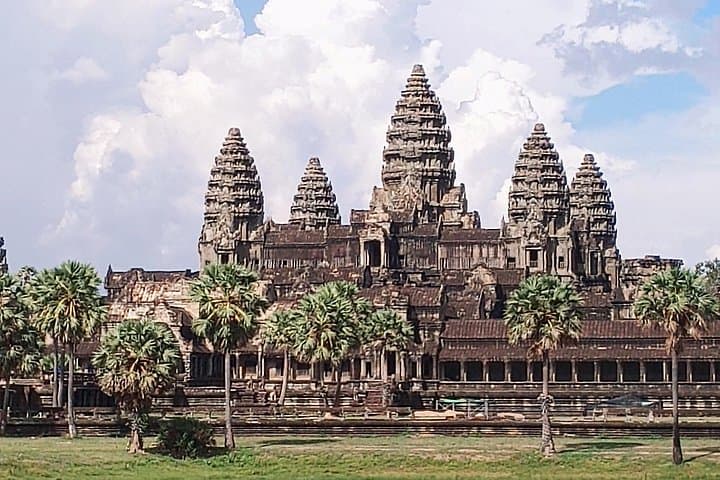
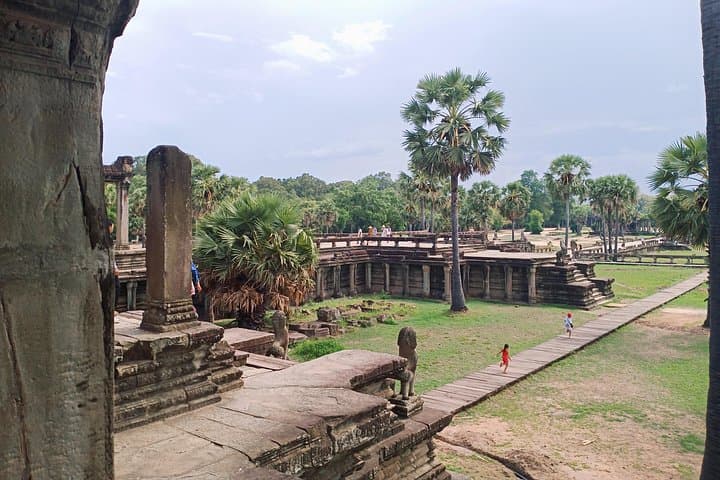
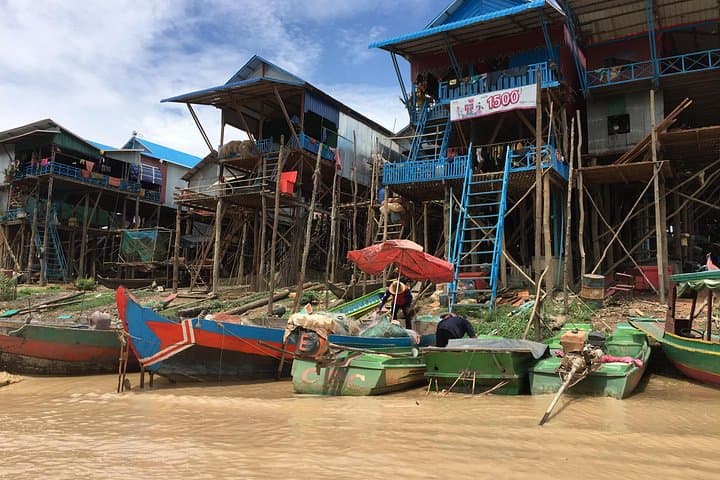
Dawn arrives over stone faces and puddled causeways as a private guide opens the gate to Angkor’s ceremonial heart. You step onto an avenue guarded by devas and demons, the air already humid and the first shafts of light sliding across bas-reliefs. The circuit moves from the four-faced towers of Bayon to the root-entangled galleries of Ta Prohm, then out across rice plains toward Angkor Wat’s reflecting moat where the sunrise paints the central towers.
Dawn arrives over stone faces and puddled causeways as a private guide opens the gate to Angkor’s ceremonial heart. You step onto an avenue guarded by devas and demons, the air already humid and the first shafts of light sliding across bas-reliefs. The circuit moves from the four-faced towers of Bayon to the root-entangled galleries of Ta Prohm, then out across rice plains toward Angkor Wat’s reflecting moat where the sunrise paints the central towers.
The temples record the Khmer Empire’s ambitions—Hindu cosmology carved in sandstone, later layered with Buddhist devotion. Geologically the site sits on uplifted Mesozoic sandstone laid over older basement rock; the porous stone and tropical monsoon climate created the weathered, ribbed surfaces seen today. On day two the tour shifts to Tonle Sap, where the lake breathes with the seasons and stilt villages rise like a community that moves with the water. Local artisans maintain centuries-old crafts at the Artisans d'Angkor, tying cultural revival to livelihoods.
Practical edge: expect long days on uneven steps and compacted earth; comfortable, breathable clothing and steady footwear matter more than style. Carry water, sun protection and small Cambodian riel for market purchases. Sunrise visits beat crowds but mean a very early pickup; midday light is harsh but good for close carvings. On the lake, listen to your guide about changing water levels and watch for river birds and water monitors; the environment is lively and, at times, fragile. A private two-day itinerary compresses the region’s history and ecology into a concentrated, accessible experience.