THE ADVENTURE COLLECTIVE® · Independent discovery and booking for outdoor travel

Drive a private 4×4 into Udawalawe National Park with an experienced local guide. This 4-hour safari targets elephants, waterholes and wide reservoir views — ideal for photographers and wildlife watchers seeking a focused, comfortable wildlife experience.
Drive a private 4×4 into Udawalawe National Park with an experienced local guide. This 4-hour safari targets elephants, waterholes and wide reservoir views — ideal for photographers and wildlife watchers seeking a focused, comfortable wildlife experience.
The jeep noses through a wash of dawn light and the tall grasses answer with a rustle — Udawalawe wakes slow and deliberate. Your driver-guide scans berms and waterholes, voice low, as a family of elephants pushes through thorn scrub and the reservoir mirrors the sky. The landscape here is resilient: flat, scrubby plains punctuated by rocky knolls and the steady line of the Udawalawe Reservoir.
Verified experiences and guided adventures in the surrounding area.
Operated by Udawalawe National Park Safari Tours · Udawalawe, Sabaragamuwa Province
The jeep noses through a wash of dawn light and the tall grasses answer with a rustle — Udawalawe wakes slow and deliberate. Your driver-guide scans berms and waterholes, voice low, as a family of elephants pushes through thorn scrub and the reservoir mirrors the sky. The landscape here is resilient: flat, scrubby plains punctuated by rocky knolls and the steady line of the Udawalawe Reservoir.
Udawalawe National Park was established in the early 1970s after the reservoir was completed, protecting dry-zone wildlife and the migratory routes of Sri Lanka’s elephants. Geology is simple but effective — ancient metamorphic bedrock overlain by sandy soils that feed seasonal pools and reed beds where waterbirds gather. Local villages maintain a pragmatic relationship with the park; rice paddies and small markets supply the safari lodges, and encounters with wildlife influence daily rhythms.
On a private 4×4 safari expect intimate viewing, short drives between viewing spots, and plenty of time for photos. Morning runs (departing before sunrise) catch elephants crossing to feed; afternoons bring long light across the reservoir. Guides here read spoor and behavior more than maps — their experience matters.
Practical notes: wear lightweight long sleeves for sun and insects, bring binoculars and a stable camera lens, and carry water in reusable bottles. Ruts and bumps are part of the ride — secure loose gear and be prepared for dust. Respect distance rules, follow your guide’s directions, and time your visit in dry months for the best game viewing.
Tours run approximately 4–5 hours; standard departures are early morning around 5:45 AM and afternoon around 2:15 PM.
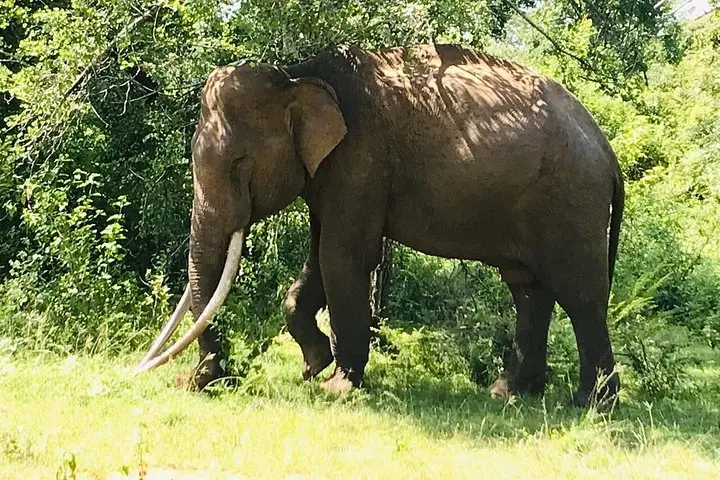
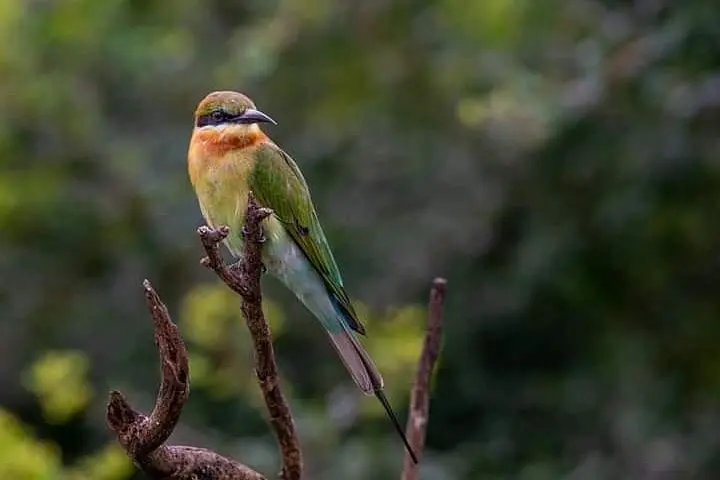
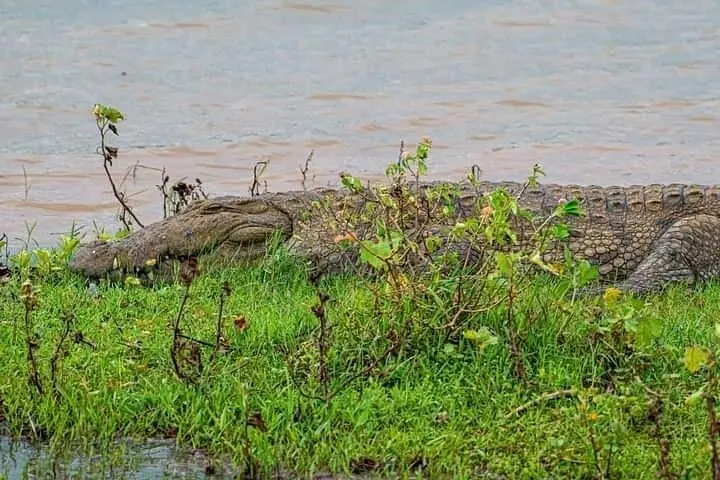
Udawalawe is known for Sri Lankan elephants, water buffalo, sambar and spotted deer, crocodiles, and a rich assortment of waterbirds—sightings are never guaranteed but common on well-timed drives.
Yes; infants can ride in strollers or on laps and infant seats are available, but the vehicle’s movements and dust may be challenging for very young children.
Full refunds available if you cancel at least 24 hours before departure; tours may be canceled for bad weather according to operator policy.
Udawalawe National Park Safari Tours operates guided outdoor trips and adventures with an emphasis on safety, stewardship, and memorable experiences.
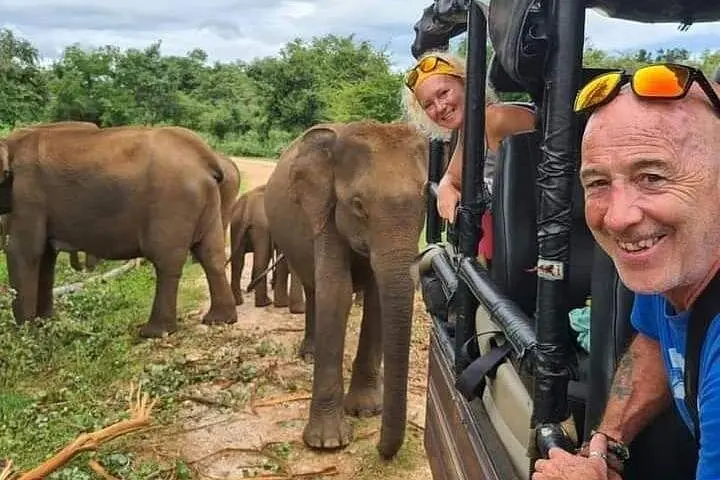
The jeep noses through a wash of dawn light and the tall grasses answer with a rustle — Udawalawe wakes slow and deliberate. Your driver-guide scans berms and waterholes, voice low, as a family of elephants pushes through thorn scrub and the reservoir mirrors the sky. The landscape here is resilient: flat, scrubby plains punctuated by rocky knolls and the steady line of the Udawalawe Reservoir.
The jeep noses through a wash of dawn light and the tall grasses answer with a rustle — Udawalawe wakes slow and deliberate. Your driver-guide scans berms and waterholes, voice low, as a family of elephants pushes through thorn scrub and the reservoir mirrors the sky. The landscape here is resilient: flat, scrubby plains punctuated by rocky knolls and the steady line of the Udawalawe Reservoir.
Udawalawe National Park was established in the early 1970s after the reservoir was completed, protecting dry-zone wildlife and the migratory routes of Sri Lanka’s elephants. Geology is simple but effective — ancient metamorphic bedrock overlain by sandy soils that feed seasonal pools and reed beds where waterbirds gather. Local villages maintain a pragmatic relationship with the park; rice paddies and small markets supply the safari lodges, and encounters with wildlife influence daily rhythms.
On a private 4×4 safari expect intimate viewing, short drives between viewing spots, and plenty of time for photos. Morning runs (departing before sunrise) catch elephants crossing to feed; afternoons bring long light across the reservoir. Guides here read spoor and behavior more than maps — their experience matters.
Practical notes: wear lightweight long sleeves for sun and insects, bring binoculars and a stable camera lens, and carry water in reusable bottles. Ruts and bumps are part of the ride — secure loose gear and be prepared for dust. Respect distance rules, follow your guide’s directions, and time your visit in dry months for the best game viewing.