THE ADVENTURE COLLECTIVE® · Independent discovery and booking for outdoor travel

A private 4x4 safari through Udawalawe National Park gives one of Sri Lanka’s most consistent elephant-viewing opportunities, with focused drives that concentrate on herds, waterholes and resident birdlife. This guided tour includes pickup, a driver-guide, and logistics for a low-hassle wildlife morning or afternoon.
A private 4x4 safari through Udawalawe National Park gives one of Sri Lanka’s most consistent elephant-viewing opportunities, with focused drives that concentrate on herds, waterholes and resident birdlife. This guided tour includes pickup, a driver-guide, and logistics for a low-hassle wildlife morning or afternoon.
Dust rises as the jeep slides across the dry track, the reservoir glinting to your left and a herd of elephants methodically grazing ahead—this is Udawalawe on a morning patrol. The park’s open plains and scrubby thorn forests give sightings a cinematic clarity: trunks probing the grass, junglefowl scattering, and the occasional sheen of a water buffalo by the waterline.
Verified experiences and guided adventures in the surrounding area.
Operated by Elephant journey Safari Udawalawe · Udawalawe, Sabaragamuwa Province
Dust rises as the jeep slides across the dry track, the reservoir glinting to your left and a herd of elephants methodically grazing ahead—this is Udawalawe on a morning patrol. The park’s open plains and scrubby thorn forests give sightings a cinematic clarity: trunks probing the grass, junglefowl scattering, and the occasional sheen of a water buffalo by the waterline.
Created in 1972 after the Udawalawe Reservoir flooded lowland habitats, the park protects animals displaced by the dam and provides one of Sri Lanka’s most reliable elephant-viewing landscapes. Geologically the area sits on ancient metamorphic rock, with sandy soils around the reservoir shaping broad plains rather than dense canopy; culturally, nearby villages are agricultural, with markets in Embilipitiya and local guides who read tracks and seasonal movement patterns.
Expect a rhythm of stops and slow drives rather than hiking—safari is about patience and observation. Mornings concentrate wildlife as animals feed before heat; evenings can be quieter but dramatic at sunset. Guides often time runs to maximize elephant encounters and birding along marshy edges.
Practical notes: arrive with neutral-colored clothing, a charged camera with a tele lens, and binoculars. Bring sun protection, insect repellent, and a refillable water bottle; some shade is limited in open terrain. Respect the guide’s distance rules—approaching wildlife is unsafe and illegal. With a private 4x4 and an experienced driver-guide handling logistics, the trip suits families and first-time safari-goers seeking controlled, focused wildlife viewing in one of Sri Lanka’s most accessible national parks.
Typical departures are a morning run around 06:00 (4 hours) and an afternoon session starting around 14:00 (4 hours); mornings are usually best for animal activity.
Elephants are commonly seen and often in herds near water; leopards are present but elusive—sightings are uncommon and never guaranteed.
Yes—free pickup and drop-off within the Udawalawe area are included; confirm your pickup point at booking.
Yes—this private jeep safari is suitable for families and travelers of all fitness levels; infant seats are available on request.
Elephant journey Safari Udawalawe operates guided outdoor trips and adventures with an emphasis on safety, stewardship, and memorable experiences.
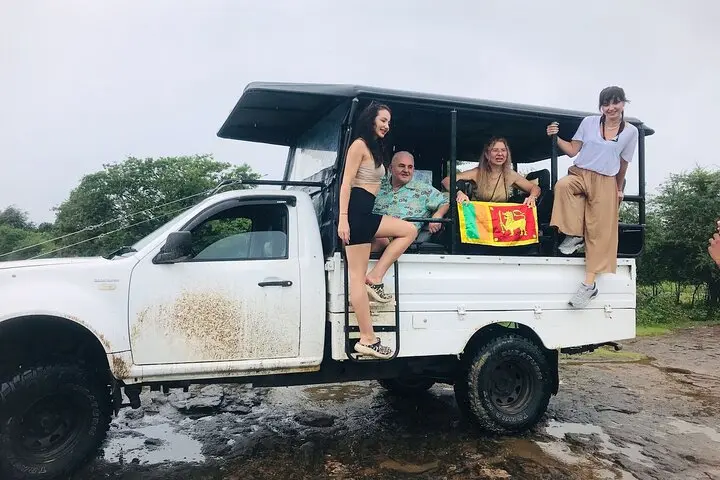
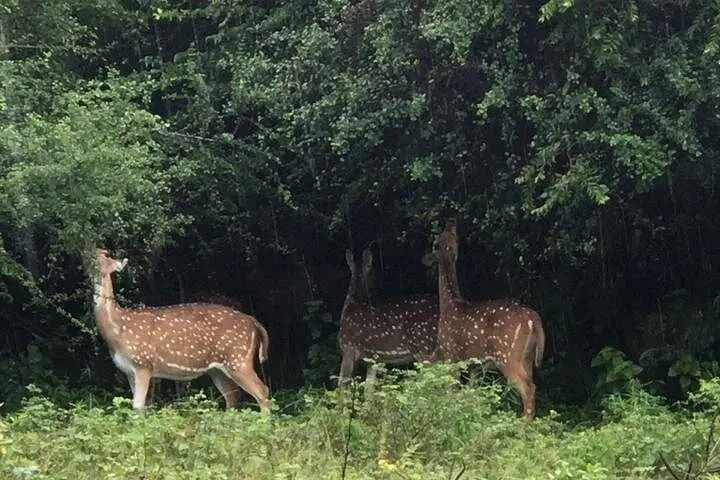
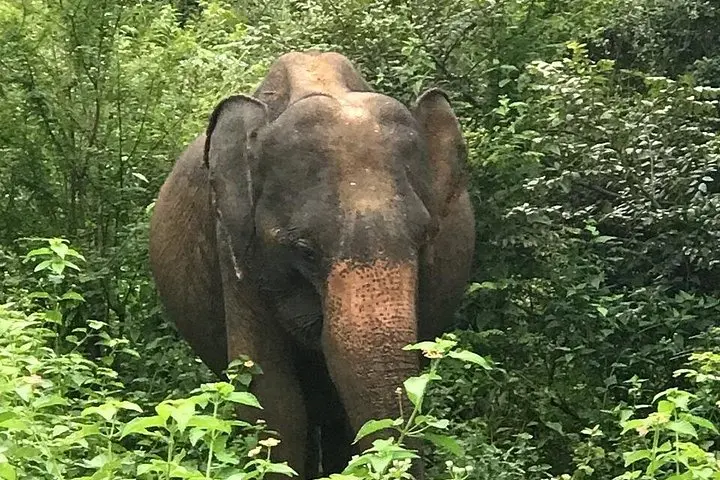
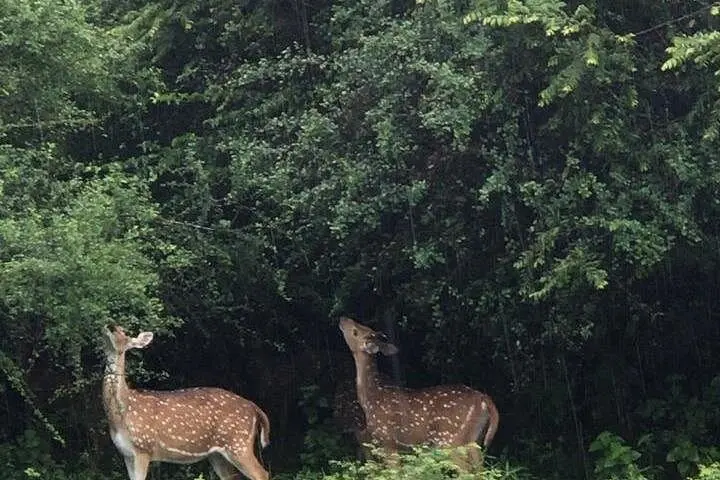
Dust rises as the jeep slides across the dry track, the reservoir glinting to your left and a herd of elephants methodically grazing ahead—this is Udawalawe on a morning patrol. The park’s open plains and scrubby thorn forests give sightings a cinematic clarity: trunks probing the grass, junglefowl scattering, and the occasional sheen of a water buffalo by the waterline.
Dust rises as the jeep slides across the dry track, the reservoir glinting to your left and a herd of elephants methodically grazing ahead—this is Udawalawe on a morning patrol. The park’s open plains and scrubby thorn forests give sightings a cinematic clarity: trunks probing the grass, junglefowl scattering, and the occasional sheen of a water buffalo by the waterline.
Created in 1972 after the Udawalawe Reservoir flooded lowland habitats, the park protects animals displaced by the dam and provides one of Sri Lanka’s most reliable elephant-viewing landscapes. Geologically the area sits on ancient metamorphic rock, with sandy soils around the reservoir shaping broad plains rather than dense canopy; culturally, nearby villages are agricultural, with markets in Embilipitiya and local guides who read tracks and seasonal movement patterns.
Expect a rhythm of stops and slow drives rather than hiking—safari is about patience and observation. Mornings concentrate wildlife as animals feed before heat; evenings can be quieter but dramatic at sunset. Guides often time runs to maximize elephant encounters and birding along marshy edges.
Practical notes: arrive with neutral-colored clothing, a charged camera with a tele lens, and binoculars. Bring sun protection, insect repellent, and a refillable water bottle; some shade is limited in open terrain. Respect the guide’s distance rules—approaching wildlife is unsafe and illegal. With a private 4x4 and an experienced driver-guide handling logistics, the trip suits families and first-time safari-goers seeking controlled, focused wildlife viewing in one of Sri Lanka’s most accessible national parks.