THE ADVENTURE COLLECTIVE® · Independent discovery and booking for outdoor travel

Discover Utrecht on a private two-hour walking tour that threads canals, wharf cellars and the towering Dom. Local guides tailor the route to your pace while pointing out medieval architecture, hidden courtyards and café-filled quays.
Discover Utrecht on a private two-hour walking tour that threads canals, wharf cellars and the towering Dom. Local guides tailor the route to your pace while pointing out medieval architecture, hidden courtyards and café-filled quays.
You step off the tram into a tight street that opens onto water; the Oudegracht canal nudges its brick-lined banks toward the Dom Tower, which rises like a patient observer over the city. The canal’s wharf cellars sit half below street level, cafes and galleries tucked into the vaults, while bicycles rattle past and a guide sketches the next corner on a map.
Verified experiences and guided adventures in the surrounding area.
Operated by Tournava · Utrecht, Utrecht
You step off the tram into a tight street that opens onto water; the Oudegracht canal nudges its brick-lined banks toward the Dom Tower, which rises like a patient observer over the city. The canal’s wharf cellars sit half below street level, cafes and galleries tucked into the vaults, while bicycles rattle past and a guide sketches the next corner on a map.
Utrecht’s center grew around a medieval river trade route and the imposing St. Martin’s Cathedral (the Dom). The Dom Tower, at about 112.5 m, dominates views and town history: it once linked to a nave that partially collapsed in the 17th century. Geology here is the low-lying Rhine delta—soft clay and reclaimed land that shaped canals and quays. Cultural life gathers in compact squares like Neude and the cloistered Pandhof, where monks’ gardens survive between stone walls.
On a private two-hour walk you trade a rote route for questions, detours and neighborhood tips. Expect cobbled streets, low doorways, occasional steps into wharf cellars and stops at churches and markets. Guides point out architectural details—from Gothic masonry to 19th-century canal warehouses—and suggest nearby museums, cafés and bicycle routes.
Practical edge: wear supportive shoes for stone and canal-side steps, carry a light rain layer (weather shifts fast), and book mornings or late afternoons to avoid peak crowds. Public transport hubs and tram stops sit a short walk from the Dom; tell your guide any mobility needs when booking so the route can be tailored.
This private tour runs about two hours and is paced to your interests—confirm start time when you book.
Meetings are typically arranged in the city center near the Dom Tower or a central tram stop; exact meeting point will be given after booking.
Much of central Utrecht is flat, but some wharf cellars and alleyways include steps; request an accessible route when booking so the guide can plan alternatives.
For a full refund cancel at least 24 hours before the scheduled departure time; late cancellations are non-refundable.
Tournava operates guided outdoor trips and adventures with an emphasis on safety, stewardship, and memorable experiences.
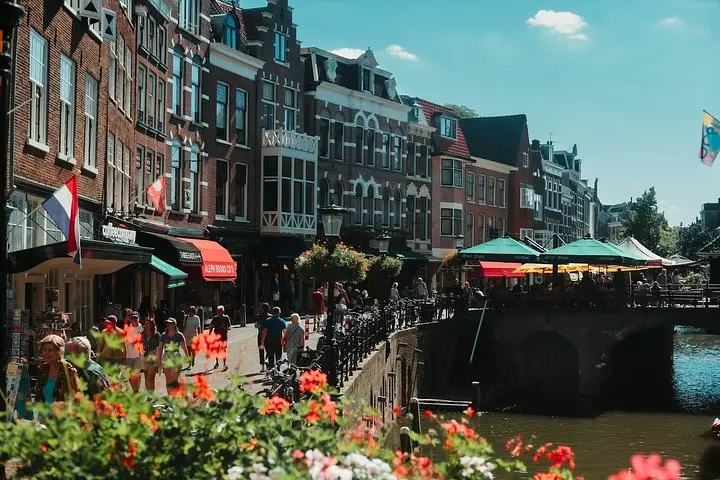
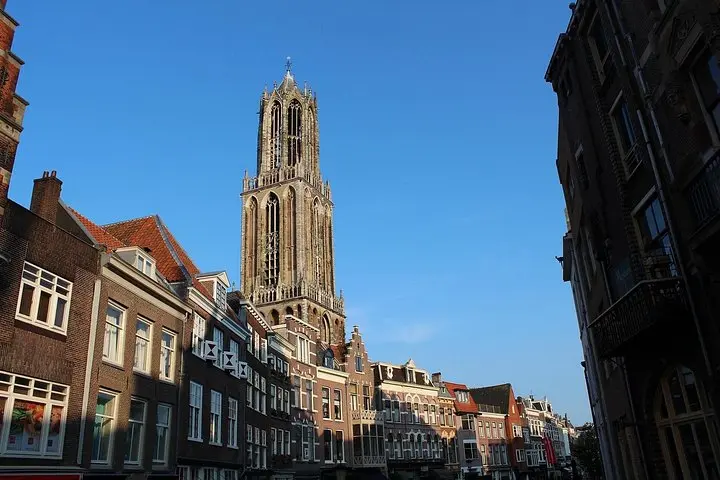
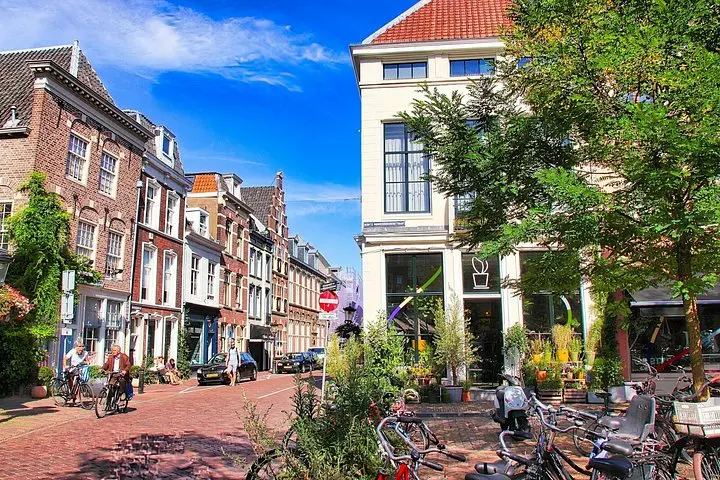
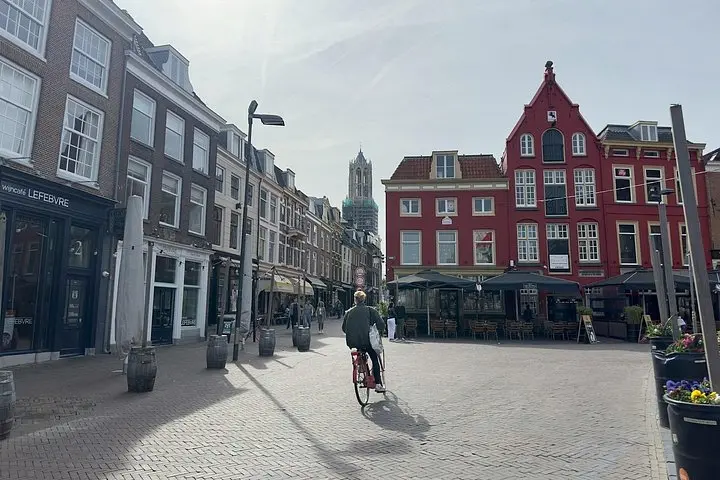
You step off the tram into a tight street that opens onto water; the Oudegracht canal nudges its brick-lined banks toward the Dom Tower, which rises like a patient observer over the city. The canal’s wharf cellars sit half below street level, cafes and galleries tucked into the vaults, while bicycles rattle past and a guide sketches the next corner on a map.
You step off the tram into a tight street that opens onto water; the Oudegracht canal nudges its brick-lined banks toward the Dom Tower, which rises like a patient observer over the city. The canal’s wharf cellars sit half below street level, cafes and galleries tucked into the vaults, while bicycles rattle past and a guide sketches the next corner on a map.
Utrecht’s center grew around a medieval river trade route and the imposing St. Martin’s Cathedral (the Dom). The Dom Tower, at about 112.5 m, dominates views and town history: it once linked to a nave that partially collapsed in the 17th century. Geology here is the low-lying Rhine delta—soft clay and reclaimed land that shaped canals and quays. Cultural life gathers in compact squares like Neude and the cloistered Pandhof, where monks’ gardens survive between stone walls.
On a private two-hour walk you trade a rote route for questions, detours and neighborhood tips. Expect cobbled streets, low doorways, occasional steps into wharf cellars and stops at churches and markets. Guides point out architectural details—from Gothic masonry to 19th-century canal warehouses—and suggest nearby museums, cafés and bicycle routes.
Practical edge: wear supportive shoes for stone and canal-side steps, carry a light rain layer (weather shifts fast), and book mornings or late afternoons to avoid peak crowds. Public transport hubs and tram stops sit a short walk from the Dom; tell your guide any mobility needs when booking so the route can be tailored.