THE ADVENTURE COLLECTIVE® · Independent discovery and booking for outdoor travel

Spend a full day from Paris exploring Verdun’s battlefield: Fort de Douaumont, the Douamont ossuary and the Memorial Museum. This private minivan tour combines walking at historic sites with knowledgeable local guidance.
Spend a full day from Paris exploring Verdun’s battlefield: Fort de Douaumont, the Douamont ossuary and the Memorial Museum. This private minivan tour combines walking at historic sites with knowledgeable local guidance.
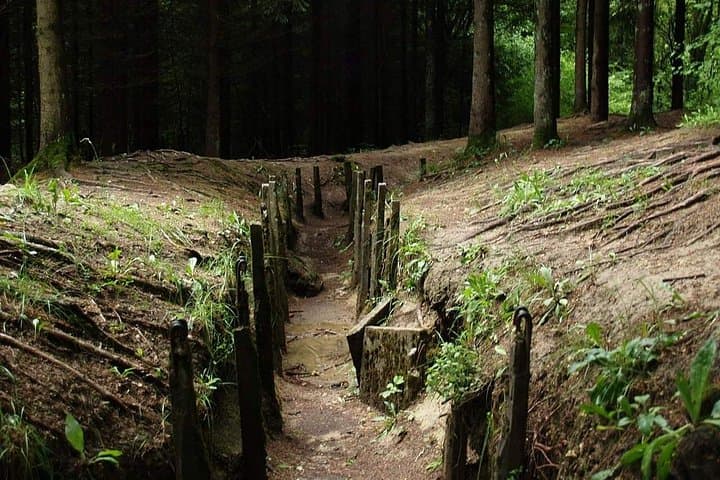
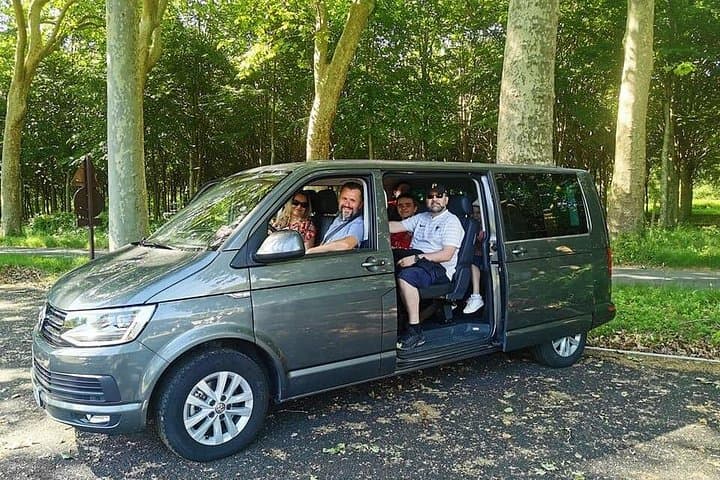
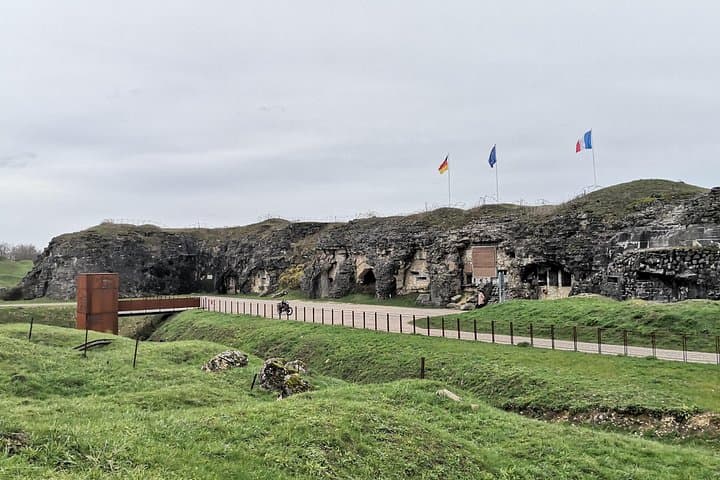
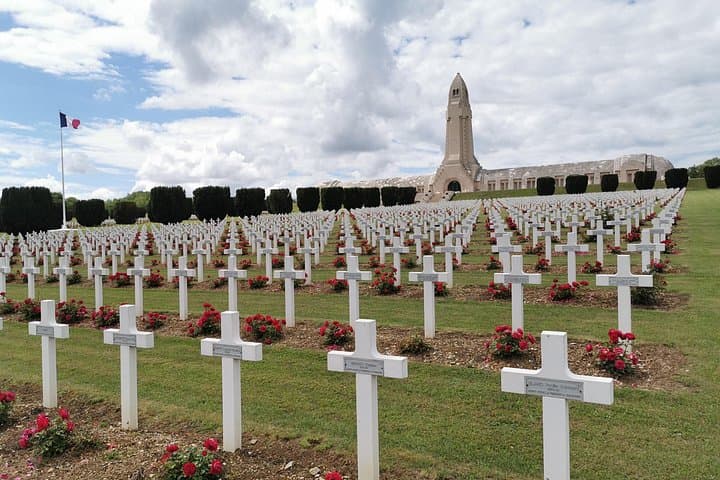
You step out of the air‑conditioned minivan onto scarred ground where grasses thin over shell craters and the Meuse river dares you to look downstream. Light plays across concrete casemates at Fort de Douaumont; the ossuary's small windows reveal rows of bone like a graveyard kept in shadow. The day unfolds as a guided walk through trenches, ruined villages, and museum terraces that open onto the battlefield.
Verified experiences and guided adventures in the surrounding area.
Operated by ADRIAN ROADS · Verdun, Grand Est
You step out of the air‑conditioned minivan onto scarred ground where grasses thin over shell craters and the Meuse river dares you to look downstream. Light plays across concrete casemates at Fort de Douaumont; the ossuary's small windows reveal rows of bone like a graveyard kept in shadow. The day unfolds as a guided walk through trenches, ruined villages, and museum terraces that open onto the battlefield.
This landscape is shaped by twentieth‑century conflict and much older geology: sedimentary plains cut by the Meuse and low limestone ridges that funneled artillery and men into the same lines. Verdun’s sites—Fort Douaumont, the Douamont ossuary, the Bayonet Trench and the Memorial Museum—map the strategic and human geography of 1916, when hundreds of thousands fell over months of attritional warfare.
Local culture still carries that memory: ceremonies at monuments, helmet markers along the Sacred Way, and small museums run by communities who steward the land. Conservation here balances access with respect—many zones remain protected and marked to prevent disturbance of wartime remnants.
Practical guidance: expect a long day (you’ll be in the van between Paris and Verdun) with several short walks and underground passages at Douaumont. Wear sturdy shoes for uneven ground, pack a weatherproof layer, carry water and a charged camera, and be prepared for emotionally intense sites. The driver‑guide conducts the tour in French; request language support when booking if needed. Timing: aim for clear weather to see the battlefield panoramas from the Memorial terraces.
Drive time is roughly 2.5–3 hours each way depending on traffic; expect a full 13–14 hour day including site visits.
This tour includes admission to Fort de Douaumont and the Verdun Memorial Museum and Douamont ossuary as described in the inclusions.
Short walks on uneven ground and underground passages at the fort may be challenging; contact the operator to discuss mobility needs before booking.
The driver‑guide conducts the tour in French—request language assistance at booking if you need an English guide or translation.
ADRIAN ROADS operates guided outdoor trips and adventures with an emphasis on safety, stewardship, and memorable experiences.
You step out of the air‑conditioned minivan onto scarred ground where grasses thin over shell craters and the Meuse river dares you to look downstream. Light plays across concrete casemates at Fort de Douaumont; the ossuary's small windows reveal rows of bone like a graveyard kept in shadow. The day unfolds as a guided walk through trenches, ruined villages, and museum terraces that open onto the battlefield.
You step out of the air‑conditioned minivan onto scarred ground where grasses thin over shell craters and the Meuse river dares you to look downstream. Light plays across concrete casemates at Fort de Douaumont; the ossuary's small windows reveal rows of bone like a graveyard kept in shadow. The day unfolds as a guided walk through trenches, ruined villages, and museum terraces that open onto the battlefield.
This landscape is shaped by twentieth‑century conflict and much older geology: sedimentary plains cut by the Meuse and low limestone ridges that funneled artillery and men into the same lines. Verdun’s sites—Fort Douaumont, the Douamont ossuary, the Bayonet Trench and the Memorial Museum—map the strategic and human geography of 1916, when hundreds of thousands fell over months of attritional warfare.
Local culture still carries that memory: ceremonies at monuments, helmet markers along the Sacred Way, and small museums run by communities who steward the land. Conservation here balances access with respect—many zones remain protected and marked to prevent disturbance of wartime remnants.
Practical guidance: expect a long day (you’ll be in the van between Paris and Verdun) with several short walks and underground passages at Douaumont. Wear sturdy shoes for uneven ground, pack a weatherproof layer, carry water and a charged camera, and be prepared for emotionally intense sites. The driver‑guide conducts the tour in French; request language support when booking if needed. Timing: aim for clear weather to see the battlefield panoramas from the Memorial terraces.