THE ADVENTURE COLLECTIVE® · Independent discovery and booking for outdoor travel

A single day to see Tenerife’s extremes: serpentine mountain roads to Masca, the rain-soaked laurel forests of Anaga, the island’s ancient dragon tree and the coastal pilgrimage town of Candelaria. This private VIP loop mixes geology, Guanche history and local cuisine with door-to-door logistics.
A single day to see Tenerife’s extremes: serpentine mountain roads to Masca, the rain-soaked laurel forests of Anaga, the island’s ancient dragon tree and the coastal pilgrimage town of Candelaria. This private VIP loop mixes geology, Guanche history and local cuisine with door-to-door logistics.
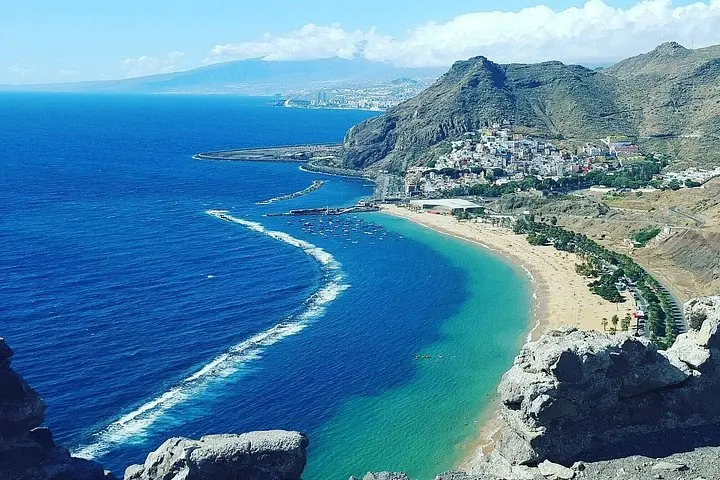
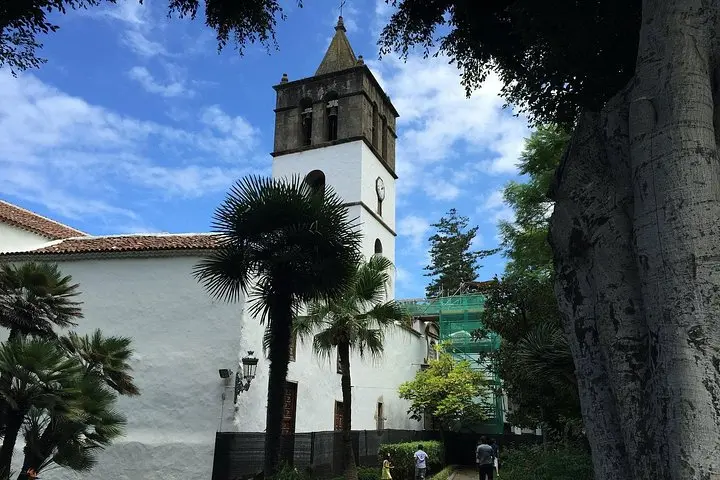
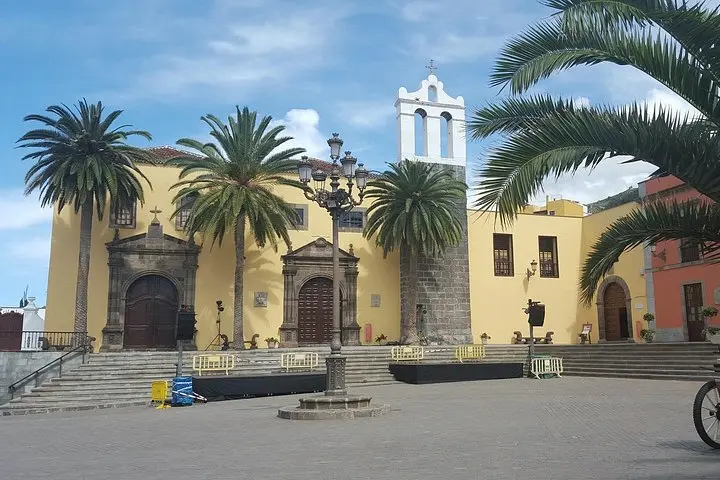
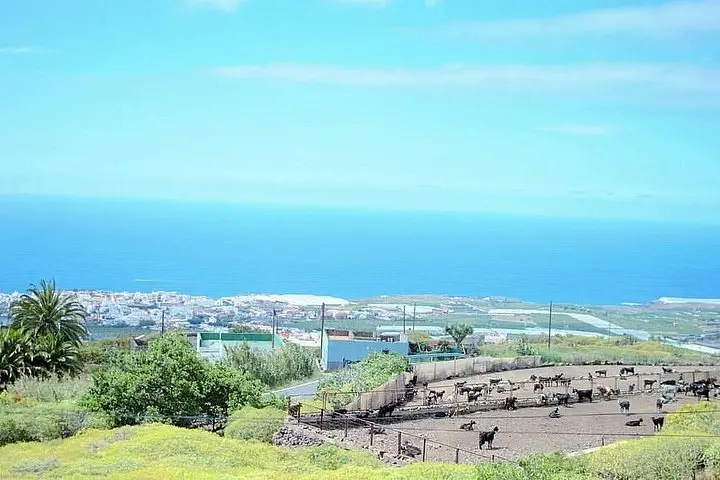
The van eases away from the coast as the Atlantic light thins into morning—windows fogged by the contrast of cool sea spray and warm cabin air. For the next 7 to 9 hours the island will rewrite itself outside the glass: steep, razorback roads through the Teno Mountains, a clutch of whitewashed houses clinging to a gorge in Masca, the laurel-green Anaga massif that seems to breathe, and the pilgrimage bustle around Candelaria’s basilica on the eastern shore.
Verified experiences and guided adventures in the surrounding area.
Operated by TENERIFE HOST · Santa Cruz de Tenerife, Canary Islands
The van eases away from the coast as the Atlantic light thins into morning—windows fogged by the contrast of cool sea spray and warm cabin air. For the next 7 to 9 hours the island will rewrite itself outside the glass: steep, razorback roads through the Teno Mountains, a clutch of whitewashed houses clinging to a gorge in Masca, the laurel-green Anaga massif that seems to breathe, and the pilgrimage bustle around Candelaria’s basilica on the eastern shore.
Tenerife’s geology is honest and blunt: volcanic layers folded and faulted over millions of years, lava fields stepped by terraces, and two principal mountain ranges—Teno in the northwest and Anaga in the northeast—rising abruptly from sea level to ridgelines over 800–1,200 m. Masca’s narrow lanes are a legacy of isolation and, local lore says, piracy; the village served as a hideout and agricultural outpost for centuries. Candelaria, by contrast, is modern pilgrimage and coastal commerce, known for the black-stone statues of the Guanches—the island’s indigenous people—and the basilica where Tenerife’s patron is venerated.
The tour stitches together natural and human history: stop at the ancient Dracaena draco (the dragon tree) that stubbornly resists the wind; drive down historic agricultural valleys like El Palmar where terraces and stone walls still feed local markets; and take a short walk in Anaga’s laurel forest where humidity beads on moss and ferns. The cliffs along the western coast—Los Gigantes—rise like an ocean wall, the sea daring you to look down.
Practical guidance is straightforward. Expect roughly 220–260 km of driving spread across mountain passes and coastal stretches; some sections have tight hairpins and one-lane bridges, so motion sickness medication and a measure of patience help. Wear sturdy walking shoes for short village strolls and the uneven basalt paths; layers are essential—coastal temperatures can be 20–25°C while mountain summits drop to 10–12°C. Hydrate: bottled water is included but refillable bottles save plastic. Lunch is arranged in a local village—prepare for simple, hearty Canarian cuisine: gofio, fresh fish, papas arrugadas with mojo.
Timing matters: start early to avoid mid-day tourist congestion in Masca and to catch softer light on the cliffs. The private guide and air-conditioned vehicle make logistics simple—pickup can be arranged island-wide—and the route is flexible to your interests. Respect protected zones in Anaga and Teno: stay on trails, take only photos, and let the island’s raw geology and layered history do the persuading.
This is a day of contrasts—sea and mountain, ancient trees and modern pilgrimage—pack accordingly and Tenerife will deliver a complete portrait in a single, long loop.
The tour runs approximately 7–9 hours (420–540 minutes); exact start time is arranged with you and can be adapted to season and pickup location.
Yes—hotel and port pickup options are offered across Tenerife; confirm your precise pickup point when booking.
Bottled water and private transport are included; lunch at a local restaurant is arranged but not included unless specified—bring cash or card for the meal.
This is a private VIP tour so the guide can adjust stops based on preferences, weather and seasonal closures—discuss priorities before the day.
The tour is broadly suitable for families and those with moderate mobility; some stops involve uneven ground—check in advance if wheelchair access is required.
Guides typically speak English and Spanish; confirm language needs when booking to ensure availability.
TENERIFE HOST operates guided outdoor trips and adventures with an emphasis on safety, stewardship, and memorable experiences.
The van eases away from the coast as the Atlantic light thins into morning—windows fogged by the contrast of cool sea spray and warm cabin air. For the next 7 to 9 hours the island will rewrite itself outside the glass: steep, razorback roads through the Teno Mountains, a clutch of whitewashed houses clinging to a gorge in Masca, the laurel-green Anaga massif that seems to breathe, and the pilgrimage bustle around Candelaria’s basilica on the eastern shore.
The van eases away from the coast as the Atlantic light thins into morning—windows fogged by the contrast of cool sea spray and warm cabin air. For the next 7 to 9 hours the island will rewrite itself outside the glass: steep, razorback roads through the Teno Mountains, a clutch of whitewashed houses clinging to a gorge in Masca, the laurel-green Anaga massif that seems to breathe, and the pilgrimage bustle around Candelaria’s basilica on the eastern shore.
Tenerife’s geology is honest and blunt: volcanic layers folded and faulted over millions of years, lava fields stepped by terraces, and two principal mountain ranges—Teno in the northwest and Anaga in the northeast—rising abruptly from sea level to ridgelines over 800–1,200 m. Masca’s narrow lanes are a legacy of isolation and, local lore says, piracy; the village served as a hideout and agricultural outpost for centuries. Candelaria, by contrast, is modern pilgrimage and coastal commerce, known for the black-stone statues of the Guanches—the island’s indigenous people—and the basilica where Tenerife’s patron is venerated.
The tour stitches together natural and human history: stop at the ancient Dracaena draco (the dragon tree) that stubbornly resists the wind; drive down historic agricultural valleys like El Palmar where terraces and stone walls still feed local markets; and take a short walk in Anaga’s laurel forest where humidity beads on moss and ferns. The cliffs along the western coast—Los Gigantes—rise like an ocean wall, the sea daring you to look down.
Practical guidance is straightforward. Expect roughly 220–260 km of driving spread across mountain passes and coastal stretches; some sections have tight hairpins and one-lane bridges, so motion sickness medication and a measure of patience help. Wear sturdy walking shoes for short village strolls and the uneven basalt paths; layers are essential—coastal temperatures can be 20–25°C while mountain summits drop to 10–12°C. Hydrate: bottled water is included but refillable bottles save plastic. Lunch is arranged in a local village—prepare for simple, hearty Canarian cuisine: gofio, fresh fish, papas arrugadas with mojo.
Timing matters: start early to avoid mid-day tourist congestion in Masca and to catch softer light on the cliffs. The private guide and air-conditioned vehicle make logistics simple—pickup can be arranged island-wide—and the route is flexible to your interests. Respect protected zones in Anaga and Teno: stay on trails, take only photos, and let the island’s raw geology and layered history do the persuading.
This is a day of contrasts—sea and mountain, ancient trees and modern pilgrimage—pack accordingly and Tenerife will deliver a complete portrait in a single, long loop.