THE ADVENTURE COLLECTIVE® · Independent discovery and booking for outdoor travel

Trace The Walking Dead through Atlanta on a private 3-hour walking and driving tour that combines iconic shot locations with neighborhood stories. With a local guide, fans can choose stops, photograph famous scenes, and learn how the city doubles as a character in the show.
Trace The Walking Dead through Atlanta on a private 3-hour walking and driving tour that combines iconic shot locations with neighborhood stories. With a local guide, fans can choose stops, photograph famous scenes, and learn how the city doubles as a character in the show.
When the van eases away from a quiet lot beside the federal library and the city opens up, the streets feel like props waiting for action. Brick facades lean in, an empty intersection holds its breath, and for three hours an expert guide rewires Atlanta into the set of a long-running television drama. The tour moves by foot and by private vehicle—stops are short, the pacing deliberate—so you see both the big establishing shots and the small, private corners that doubled for a world gone sideways.
Verified experiences and guided adventures in the surrounding area.
Operated by DTours · Atlanta, Georgia
When the van eases away from a quiet lot beside the federal library and the city opens up, the streets feel like props waiting for action. Brick facades lean in, an empty intersection holds its breath, and for three hours an expert guide rewires Atlanta into the set of a long-running television drama. The tour moves by foot and by private vehicle—stops are short, the pacing deliberate—so you see both the big establishing shots and the small, private corners that doubled for a world gone sideways.
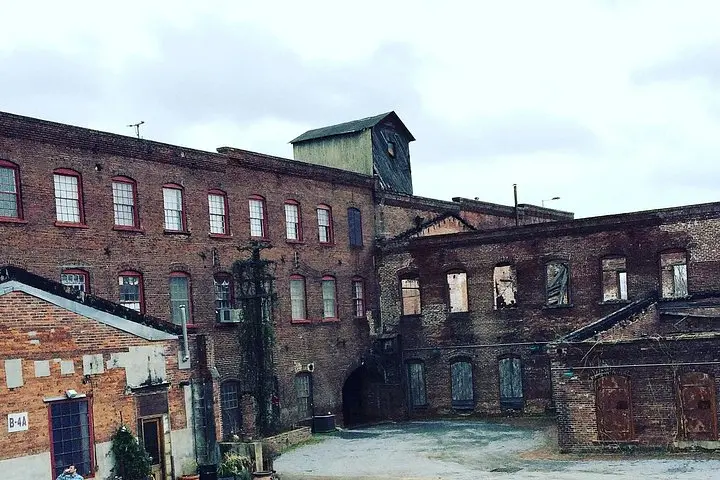
Atlanta’s role as a film hub is recent but decisive. Tax incentives and a built infrastructure of studios and locations have turned the city into a repeat player for major productions; The Walking Dead used Atlanta’s mix of historic districts, rail yards and urban decay to create post-collapse environments across multiple seasons. Sites on this route recall not just scenes—Rick’s arrival, the CDC, Terminus—but Atlanta’s layered history: rail lines that powered the city’s growth, street patterns inherited from 19th-century plats, and neighborhoods that shifted from industrial to residential and back again.
Geology here is subtle: low-lying Piedmont terrain keeps the streets flat, while the city’s creeks and old rail cuts carve narrow corridors that filmmakers exploit for mood. Culturally, the tour slides through communities that are living places first, film locations second—expect to hear about local businesses, preservation battles, and how production crews negotiate access with residents.
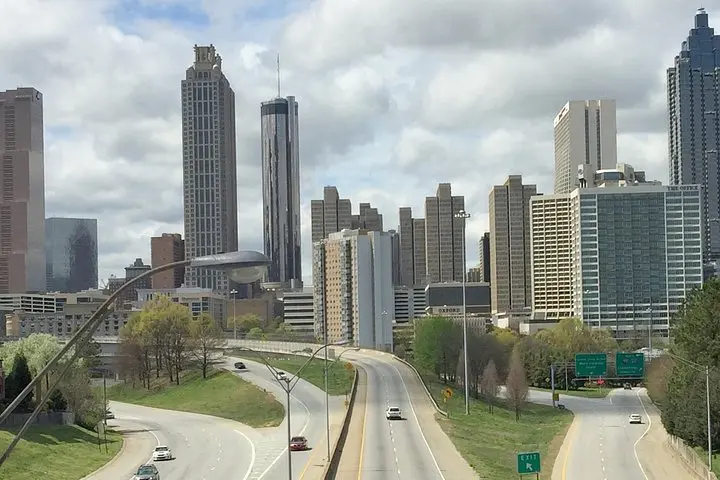
Practical guidance is simple and specific. The private tour runs about three hours and suits anyone comfortable walking short distances and riding in a vehicle between sites. Because it’s private, you can tailor stops; popular photo locations include the Jackson Street Bridge overlook, the Peachtree Street corridor used in opening shots, and a residential block that served as early-season exteriors. Guides handle parking and routing; your booking includes bottled water and private transport, and pickup can be arranged from Midtown, Downtown, or Buckhead hotels.
Timing matters: mid-morning or late afternoon avoids the worst traffic and gives flattering light for photos. Wear comfortable shoes for pavement and occasional gravel at rail-side stops. Bring ID for group check-in, and remember this is a locations tour—access to studios or gated properties is not included. Respect private property and nearby residents; many fans forget the neighborhood behind the set is someone's home.
For fans and first-timers, the tour blends scene-spotting with local storytelling: where a shot was framed, why a crew chose a block, and how a city manages the paradox of being both backdrop and living place. It’s an urban scavenger hunt with context—exact, practical, and surprising in its intimacy with a familiar show and an evolving city.
No—this is a locations tour of public and exterior sites; studio entry or soundstage access is not part of the itinerary.
Yes; because tours are private you can prioritize specific locations when you book and the guide will tailor stops accordingly.
Most stops require short walks of a few minutes; the tour uses private transport between neighborhoods to minimize continuous walking.
Yes—tour is for ages 13 and up and all minors must be accompanied by an adult.
Tours may be canceled for severe weather; for light rain, the tour can proceed—dress for conditions and check cancellation policy for refunds.
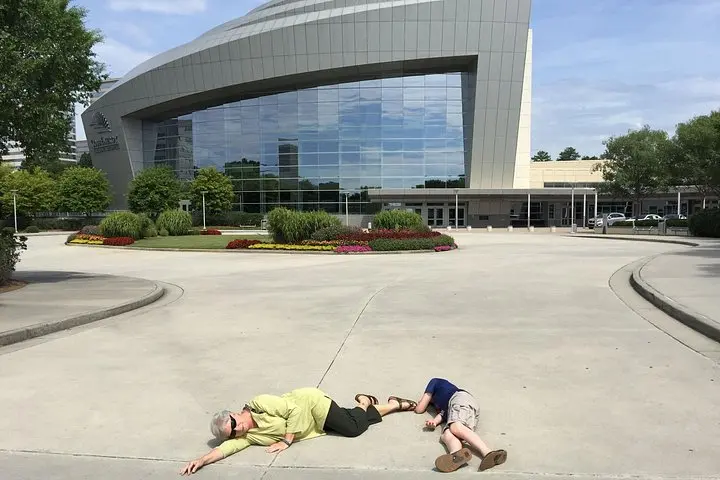
The meeting point offers free parking in a National Park Service lot next to the library; guides can also arrange hotel pickups within Midtown, Downtown, and Buckhead.
DTours operates guided outdoor trips and adventures with an emphasis on safety, stewardship, and memorable experiences.
When the van eases away from a quiet lot beside the federal library and the city opens up, the streets feel like props waiting for action. Brick facades lean in, an empty intersection holds its breath, and for three hours an expert guide rewires Atlanta into the set of a long-running television drama. The tour moves by foot and by private vehicle—stops are short, the pacing deliberate—so you see both the big establishing shots and the small, private corners that doubled for a world gone sideways.
When the van eases away from a quiet lot beside the federal library and the city opens up, the streets feel like props waiting for action. Brick facades lean in, an empty intersection holds its breath, and for three hours an expert guide rewires Atlanta into the set of a long-running television drama. The tour moves by foot and by private vehicle—stops are short, the pacing deliberate—so you see both the big establishing shots and the small, private corners that doubled for a world gone sideways.
Atlanta’s role as a film hub is recent but decisive. Tax incentives and a built infrastructure of studios and locations have turned the city into a repeat player for major productions; The Walking Dead used Atlanta’s mix of historic districts, rail yards and urban decay to create post-collapse environments across multiple seasons. Sites on this route recall not just scenes—Rick’s arrival, the CDC, Terminus—but Atlanta’s layered history: rail lines that powered the city’s growth, street patterns inherited from 19th-century plats, and neighborhoods that shifted from industrial to residential and back again.
Geology here is subtle: low-lying Piedmont terrain keeps the streets flat, while the city’s creeks and old rail cuts carve narrow corridors that filmmakers exploit for mood. Culturally, the tour slides through communities that are living places first, film locations second—expect to hear about local businesses, preservation battles, and how production crews negotiate access with residents.
Practical guidance is simple and specific. The private tour runs about three hours and suits anyone comfortable walking short distances and riding in a vehicle between sites. Because it’s private, you can tailor stops; popular photo locations include the Jackson Street Bridge overlook, the Peachtree Street corridor used in opening shots, and a residential block that served as early-season exteriors. Guides handle parking and routing; your booking includes bottled water and private transport, and pickup can be arranged from Midtown, Downtown, or Buckhead hotels.
Timing matters: mid-morning or late afternoon avoids the worst traffic and gives flattering light for photos. Wear comfortable shoes for pavement and occasional gravel at rail-side stops. Bring ID for group check-in, and remember this is a locations tour—access to studios or gated properties is not included. Respect private property and nearby residents; many fans forget the neighborhood behind the set is someone's home.
For fans and first-timers, the tour blends scene-spotting with local storytelling: where a shot was framed, why a crew chose a block, and how a city manages the paradox of being both backdrop and living place. It’s an urban scavenger hunt with context—exact, practical, and surprising in its intimacy with a familiar show and an evolving city.