THE ADVENTURE COLLECTIVE® · Independent discovery and booking for outdoor travel

Walk the corridors of European power and the cafés where decisions meet daily life. This three-hour private tour through Brussels' European Quarter pairs political history with street-level culture and local flavors.
Walk the corridors of European power and the cafés where decisions meet daily life. This three-hour private tour through Brussels' European Quarter pairs political history with street-level culture and local flavors.
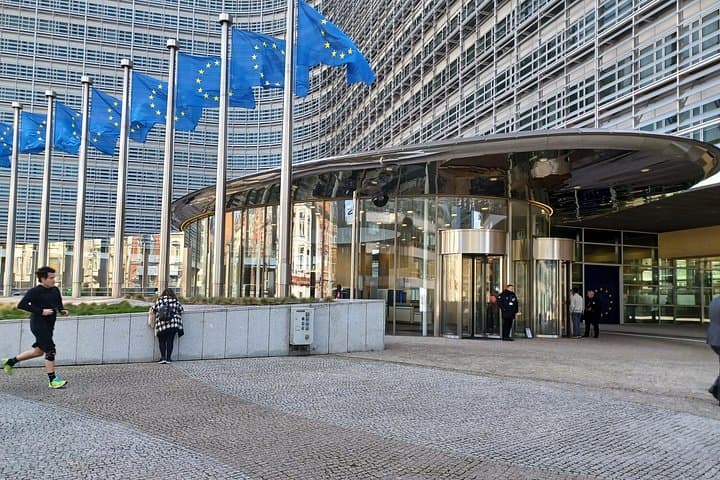
You meet beneath cool stone and glass where flags whip like punctuation—Schuman roundabout humming with buses and diplomats. The walk moves through the European Quarter with a steady urban rhythm: plazas, institutional façades, pocket parks and sudden strips of mural. Footsteps replace headlines as guides point out the decisions and debates that shape daily life across a continent.
Verified experiences and guided adventures in the surrounding area.
Operated by Snurk.Travel · Brussels, Brussels-Capital Region
You meet beneath cool stone and glass where flags whip like punctuation—Schuman roundabout humming with buses and diplomats. The walk moves through the European Quarter with a steady urban rhythm: plazas, institutional façades, pocket parks and sudden strips of mural. Footsteps replace headlines as guides point out the decisions and debates that shape daily life across a continent.
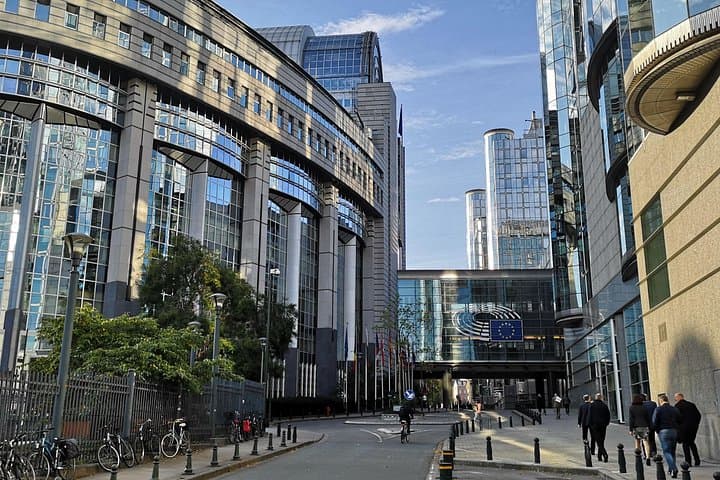
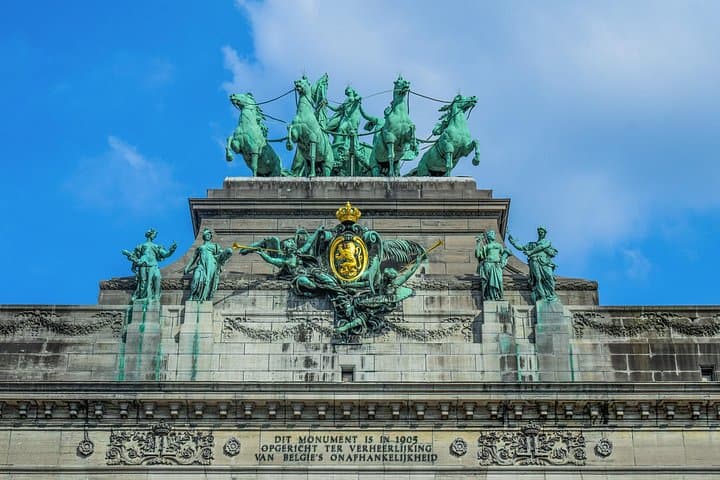
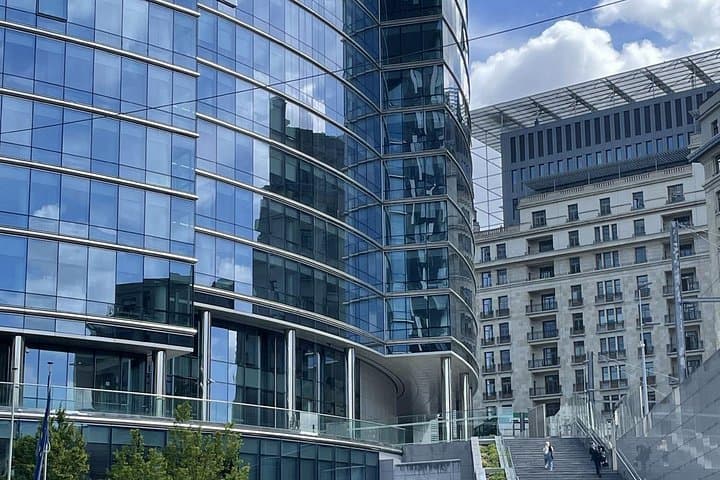
Brussels grew where the Senne's low plain met trade routes; the European Quarter is a modern layer atop older civic fabric. You’ll pass the Cinquantenaire arch, an echo of 19th-century national pride, then the glass offices and concrete volumes of EU institutions—places that map power more than geography. Street art interrupts the bureaucracy, local cafés keep political life human, and Place du Luxembourg still pulses as a meeting place for MEPs and students.
Expect 3 hours of mostly flat, paved walking with short side streets and occasional cobbles. The guide narrates EU history and logistics—why Brussels became a capital, how institutions interact—and points to quieter corners: a sheltered secret garden, murals that discuss migration, and a local bar where fries and beer finish the route.
Practical takeaways: wear comfortable shoes for pavement and occasional cobbles, bring a rain layer and a small bottle of water, and allow time for conversation at stops. Public transit links easily to the quarter; early afternoon or late morning slots avoid the heaviest commuter crowds. This tour is accessible to most fitness levels and rewards curiosity about politics, urban life and local flavor.
The standard tour does not enter the hemicycle; inside visits can be arranged in advance but are subject to EU security and availability.
Yes—many sections are stroller-accessible and the guide can adapt pacing for families, though some cobbled side streets may be bumpy.
Guides commonly provide English and often French; check booking details for other language options or request a specific guide in advance.
No—stops include suggestions for local beer and fries but purchases are at participants' expense; the guide will point out recommended cafés.
Snurk.Travel operates guided outdoor trips and adventures with an emphasis on safety, stewardship, and memorable experiences.
You meet beneath cool stone and glass where flags whip like punctuation—Schuman roundabout humming with buses and diplomats. The walk moves through the European Quarter with a steady urban rhythm: plazas, institutional façades, pocket parks and sudden strips of mural. Footsteps replace headlines as guides point out the decisions and debates that shape daily life across a continent.
You meet beneath cool stone and glass where flags whip like punctuation—Schuman roundabout humming with buses and diplomats. The walk moves through the European Quarter with a steady urban rhythm: plazas, institutional façades, pocket parks and sudden strips of mural. Footsteps replace headlines as guides point out the decisions and debates that shape daily life across a continent.
Brussels grew where the Senne's low plain met trade routes; the European Quarter is a modern layer atop older civic fabric. You’ll pass the Cinquantenaire arch, an echo of 19th-century national pride, then the glass offices and concrete volumes of EU institutions—places that map power more than geography. Street art interrupts the bureaucracy, local cafés keep political life human, and Place du Luxembourg still pulses as a meeting place for MEPs and students.
Expect 3 hours of mostly flat, paved walking with short side streets and occasional cobbles. The guide narrates EU history and logistics—why Brussels became a capital, how institutions interact—and points to quieter corners: a sheltered secret garden, murals that discuss migration, and a local bar where fries and beer finish the route.
Practical takeaways: wear comfortable shoes for pavement and occasional cobbles, bring a rain layer and a small bottle of water, and allow time for conversation at stops. Public transit links easily to the quarter; early afternoon or late morning slots avoid the heaviest commuter crowds. This tour is accessible to most fitness levels and rewards curiosity about politics, urban life and local flavor.