THE ADVENTURE COLLECTIVE® · Independent discovery and booking for outdoor travel

Walk Liverpool’s waterfront, cathedral precincts and Georgian streets with a private local guide on a four-hour, tailored tour. Expect dockside history, cathedral architecture and neighborhood stories with stops for photos and cafés.
Walk Liverpool’s waterfront, cathedral precincts and Georgian streets with a private local guide on a four-hour, tailored tour. Expect dockside history, cathedral architecture and neighborhood stories with stops for photos and cafés.
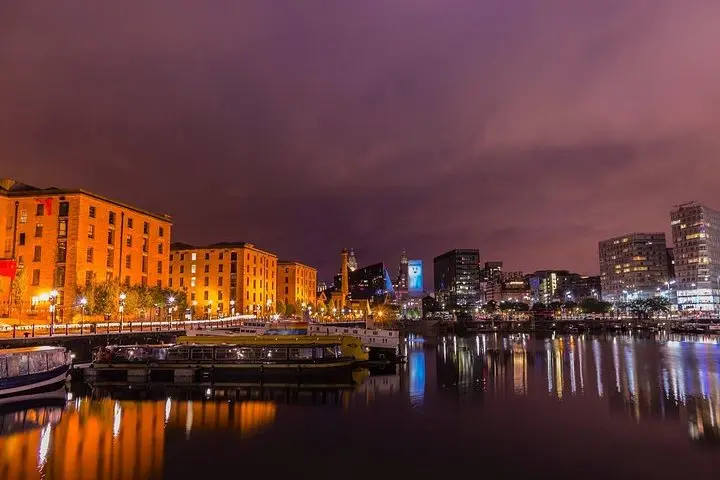
You step off the curb at the corner of Tithebarn Street and Bixteth Street and the city opens up: the River Mersey pushing a cool breeze down the waterfront, the low brick roofs of the Albert Dock catching a late sun, and cobbled lanes that hint at Liverpool’s port past.
Verified experiences and guided adventures in the surrounding area.
Operated by Tour Travel & More · Liverpool, England
You step off the curb at the corner of Tithebarn Street and Bixteth Street and the city opens up: the River Mersey pushing a cool breeze down the waterfront, the low brick roofs of the Albert Dock catching a late sun, and cobbled lanes that hint at Liverpool’s port past.
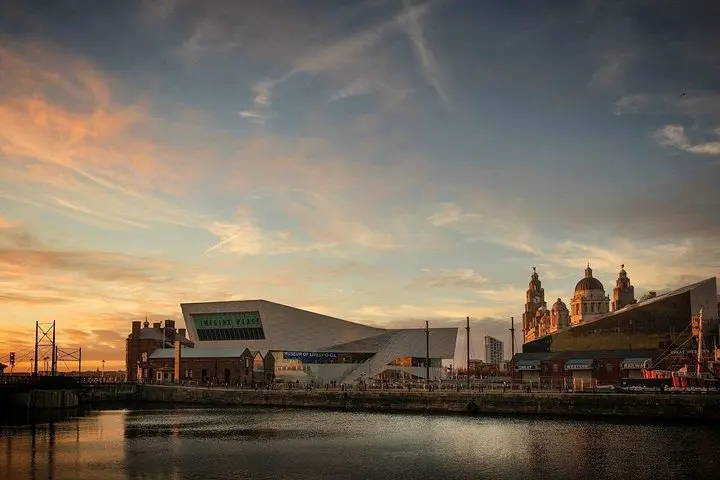
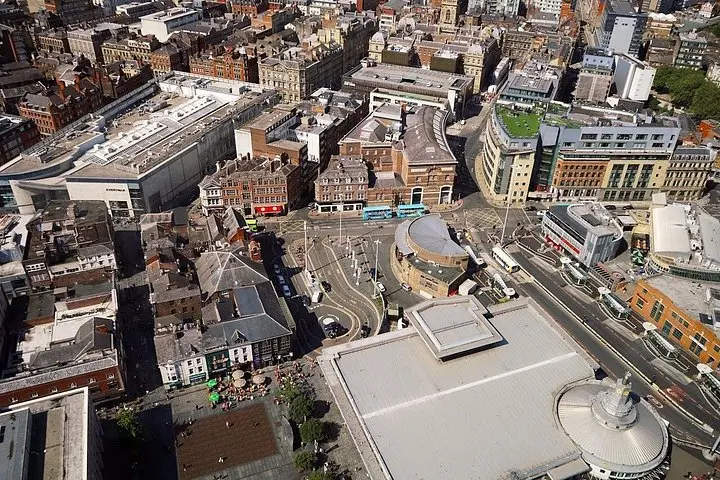
Over four hours a local guide threads history and architecture into a walk that moves from the restored warehouses of Royal Albert Dock — part of Liverpool’s UNESCO-listed docklands — to the soaring Gothic mass of Liverpool Cathedral and the elegant terraces of the Georgian Quarter. Sefton Park offers a Victorian green pause, while Liverpool One and the Royal Liver Building trace the city’s 19th- and 20th-century mercantile ambitions.
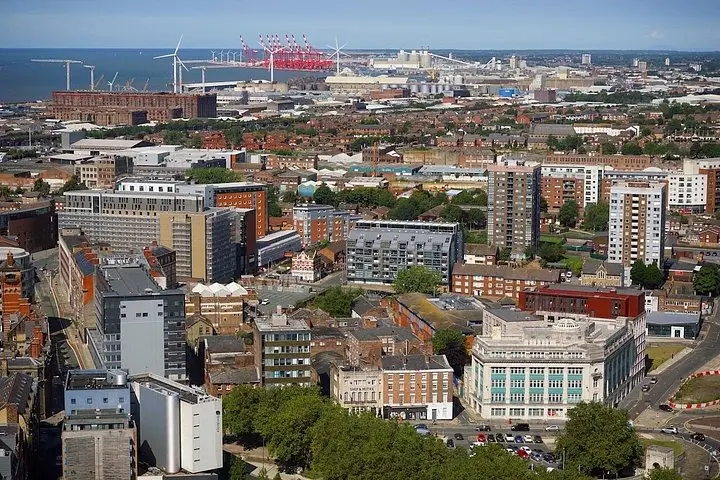
Geology is subtle here: glacially smoothed Mersey estuary flats and reclaimed docklands underlie the city’s layout. Culturally, Liverpool mixes maritime grit with a rich musical and literary tradition; stop points can include Wilfred Owen’s childhood area and the city’s modern arts venues.
Practical guidance: expect roughly 3–6 miles (5–10 km) of mostly flat, urban walking with occasional cobbles and steps; plan on frequent stops for photos, coffee, and commentary. Morning departures are quieter; weekends and market days bring crowds. Wear supportive shoes, layer for wind and rain, and carry a water bottle and charged phone. Public transport links are close to the meeting point if you want to finish early or extend your visit into nearby museums and eateries.
The guide meets at the corner of Tithebarn Street and Bixteth Street in central Liverpool; public transport stops are nearby.
Yes; the tour is easy-paced. Infants must sit on an adult’s lap, and the guide can adapt the route for strollers where pavements allow.
Admissions are not included; the tour stops outside key sites and can suggest entry options and timing for self-guided visits.
Full refunds are available if you cancel at least 24 hours before the scheduled start time.
Tour Travel & More operates guided outdoor trips and adventures with an emphasis on safety, stewardship, and memorable experiences.
You step off the curb at the corner of Tithebarn Street and Bixteth Street and the city opens up: the River Mersey pushing a cool breeze down the waterfront, the low brick roofs of the Albert Dock catching a late sun, and cobbled lanes that hint at Liverpool’s port past.
You step off the curb at the corner of Tithebarn Street and Bixteth Street and the city opens up: the River Mersey pushing a cool breeze down the waterfront, the low brick roofs of the Albert Dock catching a late sun, and cobbled lanes that hint at Liverpool’s port past.
Over four hours a local guide threads history and architecture into a walk that moves from the restored warehouses of Royal Albert Dock — part of Liverpool’s UNESCO-listed docklands — to the soaring Gothic mass of Liverpool Cathedral and the elegant terraces of the Georgian Quarter. Sefton Park offers a Victorian green pause, while Liverpool One and the Royal Liver Building trace the city’s 19th- and 20th-century mercantile ambitions.
Geology is subtle here: glacially smoothed Mersey estuary flats and reclaimed docklands underlie the city’s layout. Culturally, Liverpool mixes maritime grit with a rich musical and literary tradition; stop points can include Wilfred Owen’s childhood area and the city’s modern arts venues.
Practical guidance: expect roughly 3–6 miles (5–10 km) of mostly flat, urban walking with occasional cobbles and steps; plan on frequent stops for photos, coffee, and commentary. Morning departures are quieter; weekends and market days bring crowds. Wear supportive shoes, layer for wind and rain, and carry a water bottle and charged phone. Public transport links are close to the meeting point if you want to finish early or extend your visit into nearby museums and eateries.