THE ADVENTURE COLLECTIVE® · Independent discovery and booking for outdoor travel

Walk through Luxor’s living history on a private, accessible tour that covers Luxor Temple, the city square, and the bustling bazaar, finishing with an optional shared dinner by the Nile. Ideal for first-time visitors who want an efficient, contextual introduction to the city.
Walk through Luxor’s living history on a private, accessible tour that covers Luxor Temple, the city square, and the bustling bazaar, finishing with an optional shared dinner by the Nile. Ideal for first-time visitors who want an efficient, contextual introduction to the city.
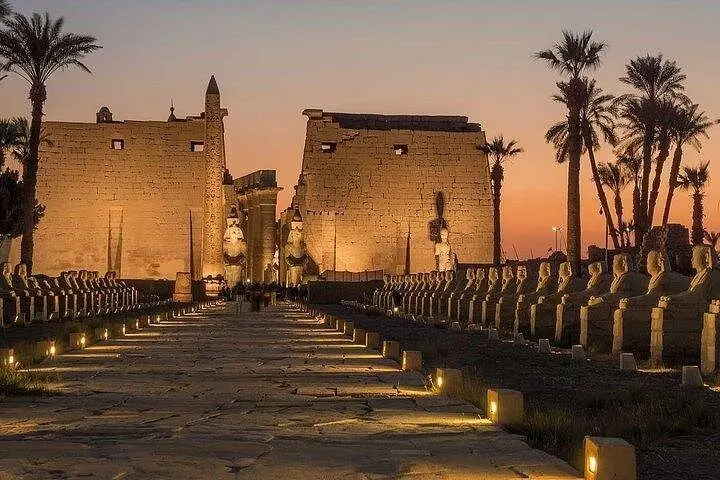
The sun eases over the Nile and the stone facades of Luxor Temple catch the first light; you step into a city where ancient columns shadow busy streets and vendors call out with spices and perfumes. On this private walking tour, the pace is human: two hours wandering the east bank's major landmarks followed by a relaxed riverside meal.
Verified experiences and guided adventures in the surrounding area.
Operated by Luxor Egypt Tours · Luxor, Luxor Governorate
The sun eases over the Nile and the stone facades of Luxor Temple catch the first light; you step into a city where ancient columns shadow busy streets and vendors call out with spices and perfumes. On this private walking tour, the pace is human: two hours wandering the east bank's major landmarks followed by a relaxed riverside meal.
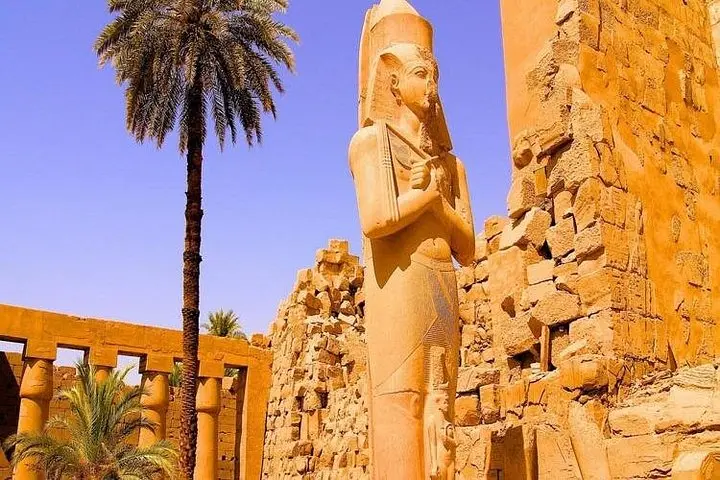
Luxor sits on the ruins of ancient Thebes, the ceremonial heart of Egypt’s New Kingdom. The temple complex here grew across centuries — Amenhotep III and Ramses II left visible marks — while the surrounding streets thread newer Ottoman- and 19th-century layers through ruins and modern life. Geology is visible in the color of the stone: Nile silt–washed limestone and sandstone quarried from the nearby desert hills, now worn to soft ochres.
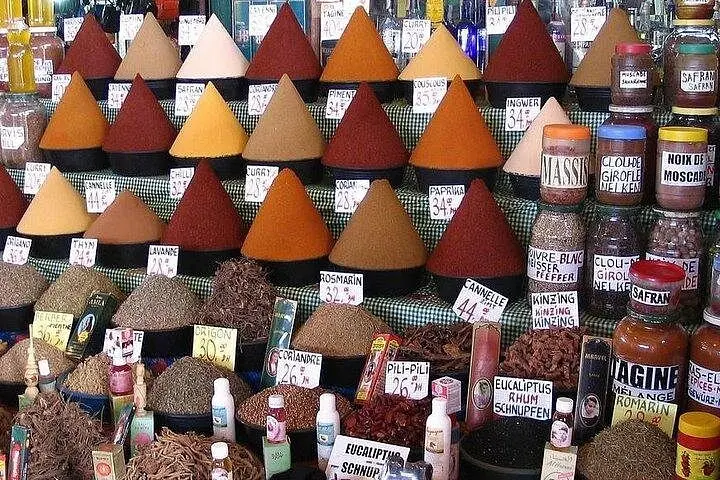
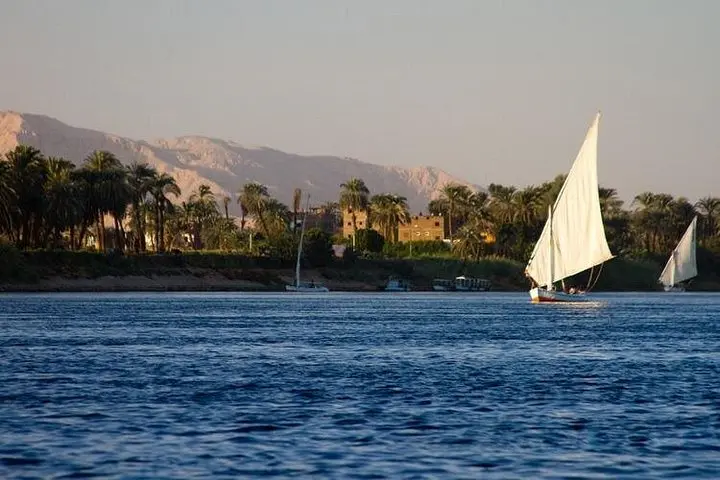
Culture here is tactile — fragrant spice stalls, perfumers, textile sellers, and the rhythm of the bazaar — and the Nile remains the city’s slow pulse, pushing boats and life forward. Local guides translate not just language but context: why a column tilt matters, where a carved cartouche points to a dynasty, which alleys hide the best rooftop views.
Practical guidance: start at first light to avoid heat, wear sturdy shoes for mixed pavement and stone, carry water and small bills for purchases, and set aside time to linger on a terrace at sunset. The tour includes a professional guide and an optional shared-dining dinner by the Nile, and it’s accessible for most fitness levels. With planning and respectful behavior around archaeological sites, a city walk in Luxor delivers history, sensory detail, and a clear sense of place.
Yes — the itinerary notes admission to Luxor Temple is included in the first walking segment.
An optional shared-dining experience by the Nile is offered; the inclusion is listed as 'Dinner' in the tour details.
The operator lists wheelchair-accessible surfaces and transportation; contact the provider about specific mobility needs before booking.
The main walking segment is about two hours around the temple, square and bazaar, followed by an optional two-hour dining transfer.
Luxor Egypt Tours operates guided outdoor trips and adventures with an emphasis on safety, stewardship, and memorable experiences.
The sun eases over the Nile and the stone facades of Luxor Temple catch the first light; you step into a city where ancient columns shadow busy streets and vendors call out with spices and perfumes. On this private walking tour, the pace is human: two hours wandering the east bank's major landmarks followed by a relaxed riverside meal.
The sun eases over the Nile and the stone facades of Luxor Temple catch the first light; you step into a city where ancient columns shadow busy streets and vendors call out with spices and perfumes. On this private walking tour, the pace is human: two hours wandering the east bank's major landmarks followed by a relaxed riverside meal.
Luxor sits on the ruins of ancient Thebes, the ceremonial heart of Egypt’s New Kingdom. The temple complex here grew across centuries — Amenhotep III and Ramses II left visible marks — while the surrounding streets thread newer Ottoman- and 19th-century layers through ruins and modern life. Geology is visible in the color of the stone: Nile silt–washed limestone and sandstone quarried from the nearby desert hills, now worn to soft ochres.
Culture here is tactile — fragrant spice stalls, perfumers, textile sellers, and the rhythm of the bazaar — and the Nile remains the city’s slow pulse, pushing boats and life forward. Local guides translate not just language but context: why a column tilt matters, where a carved cartouche points to a dynasty, which alleys hide the best rooftop views.
Practical guidance: start at first light to avoid heat, wear sturdy shoes for mixed pavement and stone, carry water and small bills for purchases, and set aside time to linger on a terrace at sunset. The tour includes a professional guide and an optional shared-dining dinner by the Nile, and it’s accessible for most fitness levels. With planning and respectful behavior around archaeological sites, a city walk in Luxor delivers history, sensory detail, and a clear sense of place.