THE ADVENTURE COLLECTIVE® · Independent discovery and booking for outdoor travel

Walk two hours through Old Montreal’s cobbled streets with a private guide who threads history, architecture and portside life into a compact urban tour. Expect Notre‑Dame, Place d’Armes, small courtyards and waterfront views—ideal for curious travelers who prefer context with their strolls.
Walk two hours through Old Montreal’s cobbled streets with a private guide who threads history, architecture and portside life into a compact urban tour. Expect Notre‑Dame, Place d’Armes, small courtyards and waterfront views—ideal for curious travelers who prefer context with their strolls.
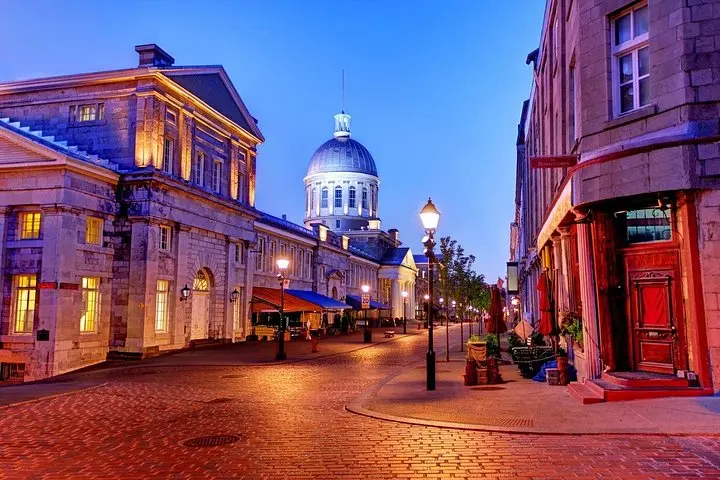
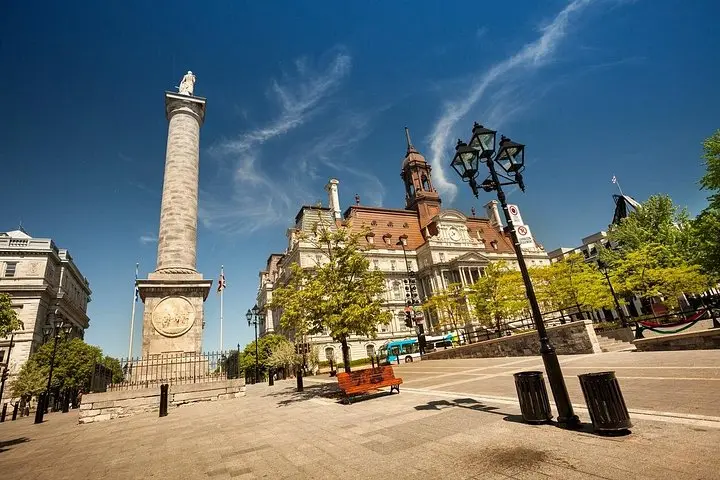
Morning light slants across cobbles as you step from a modern avenue into the compact world of Old Montreal. The guide points out carved stone lintels and ironwork balconies while you trace streets once trod by fur traders and shipwrights. Notre-Dame Basilica rises with its Gothic façades; the river’s breath reaches the Old Port, where cranes and promenades remind you this was a working harbor long before it became a leisure strip.
Verified experiences and guided adventures in the surrounding area.
Operated by Opatrip.com Canada · Montreal, Quebec
Morning light slants across cobbles as you step from a modern avenue into the compact world of Old Montreal. The guide points out carved stone lintels and ironwork balconies while you trace streets once trod by fur traders and shipwrights. Notre-Dame Basilica rises with its Gothic façades; the river’s breath reaches the Old Port, where cranes and promenades remind you this was a working harbor long before it became a leisure strip.
This neighborhood dates to the 17th century as part of Ville‑Marie; its grid, plazas and masonry reflect French colonial planning layered over industrial-era docks. The geology is simple—drift and alluvium washed by the St. Lawrence—yet the built fabric tells the cultural story: churches, mercantile warehouses, and market halls reused as galleries and cafés. Local life centers on Place Jacques‑Cartier and Place d’Armes, where street performers contend with church bells and market vendors.
Practically, expect two hours of mostly flat walking on uneven cobbles and occasional stairs into courtyards. The route mixes open squares, narrow lanes and waterfront esplanades; pace is gentle but watch your step. Guides tailor narration to crowds and weather, skipping interiors if timed with services. Arrive by metro (Champ‑de‑Mars or Place d’Armes), wear sturdy shoes, and carry a light layer for river breezes. Small private groups move quickly, letting you linger at a chapel doorway or duck into an artisanal shop.
This tour is at once an architectural primer and a city stroll—rich in detail, short on exertion, and ideal for travelers who want context with their photos.
The tour is approximately two hours long and covers major squares, Notre‑Dame’s exterior, and sections of the Old Port.
The tour involves cobblestones and some steps; it’s rated easy but may be challenging for those with limited mobility—contact the operator to arrange a modified route.
This private walking tour focuses on streets and public spaces; museum or basilica interior admissions are generally not included unless specified in the booking.
Guides commonly offer tours in English and French; confirm language preference at booking to ensure availability.
Opatrip.com Canada operates guided outdoor trips and adventures with an emphasis on safety, stewardship, and memorable experiences.


Morning light slants across cobbles as you step from a modern avenue into the compact world of Old Montreal. The guide points out carved stone lintels and ironwork balconies while you trace streets once trod by fur traders and shipwrights. Notre-Dame Basilica rises with its Gothic façades; the river’s breath reaches the Old Port, where cranes and promenades remind you this was a working harbor long before it became a leisure strip.
Morning light slants across cobbles as you step from a modern avenue into the compact world of Old Montreal. The guide points out carved stone lintels and ironwork balconies while you trace streets once trod by fur traders and shipwrights. Notre-Dame Basilica rises with its Gothic façades; the river’s breath reaches the Old Port, where cranes and promenades remind you this was a working harbor long before it became a leisure strip.
This neighborhood dates to the 17th century as part of Ville‑Marie; its grid, plazas and masonry reflect French colonial planning layered over industrial-era docks. The geology is simple—drift and alluvium washed by the St. Lawrence—yet the built fabric tells the cultural story: churches, mercantile warehouses, and market halls reused as galleries and cafés. Local life centers on Place Jacques‑Cartier and Place d’Armes, where street performers contend with church bells and market vendors.
Practically, expect two hours of mostly flat walking on uneven cobbles and occasional stairs into courtyards. The route mixes open squares, narrow lanes and waterfront esplanades; pace is gentle but watch your step. Guides tailor narration to crowds and weather, skipping interiors if timed with services. Arrive by metro (Champ‑de‑Mars or Place d’Armes), wear sturdy shoes, and carry a light layer for river breezes. Small private groups move quickly, letting you linger at a chapel doorway or duck into an artisanal shop.
This tour is at once an architectural primer and a city stroll—rich in detail, short on exertion, and ideal for travelers who want context with their photos.