THE ADVENTURE COLLECTIVE® · Independent discovery and booking for outdoor travel

See Wellington’s harbour views from Mt Victoria, explore Te Papa’s bicultural galleries, and visit Weta Cave on a private, customizable 4–4.5 hour tour. Ideal for first-time visitors who want a compact, locally guided introduction to the city’s history, culture and culinary stops.
See Wellington’s harbour views from Mt Victoria, explore Te Papa’s bicultural galleries, and visit Weta Cave on a private, customizable 4–4.5 hour tour. Ideal for first-time visitors who want a compact, locally guided introduction to the city’s history, culture and culinary stops.
The city opens like a map you can walk into: gulls wheel over a bronzed harbour, wind tugs at your jacket, and the ridgeline of Mount Victoria frames the skyline. On a private 4–4.5 hour tour you move through that map with a local guide—scanning bays from a lookout, cutting through café-lined lanes, and pausing at museum doors that contain the country’s stories.
Verified experiences and guided adventures in the surrounding area.
Operated by Exclusive Chauffeur Limited · Wellington, Wellington
The city opens like a map you can walk into: gulls wheel over a bronzed harbour, wind tugs at your jacket, and the ridgeline of Mount Victoria frames the skyline. On a private 4–4.5 hour tour you move through that map with a local guide—scanning bays from a lookout, cutting through café-lined lanes, and pausing at museum doors that contain the country’s stories.
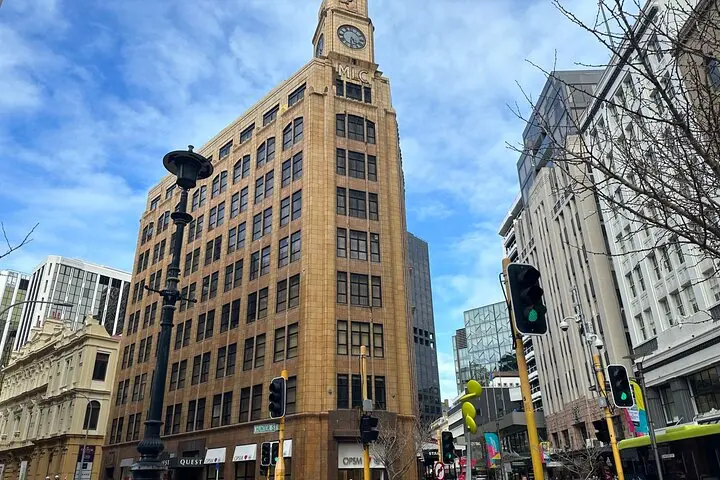
Wellington’s story is visible in its buildings and shoreline. Te Papa (opened 1998) presents Aotearoa’s bicultural history alongside contemporary art; the Beehive and Dominion Museum mark the capital’s colonial shift in the 19th century. Geologically, the harbour basin owes its shape to tectonic uplift from the 1855 Wairarapa earthquake—cliffs, bays and reclaimed flats that shaped the downtown you see today.
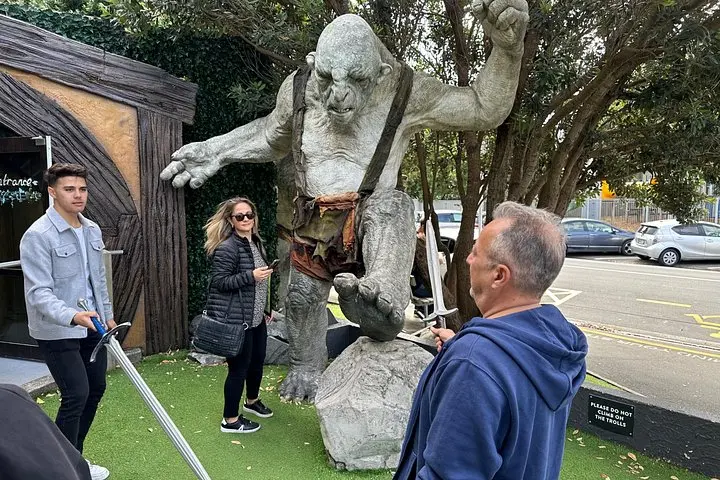
Culturally the city is direct and convivial: café culture, craft beer, and a creative film industry centered at Weta. Small neighborhoods—Oriental Bay’s sandy strip, the Cable Car’s green terraces, Old St Paul’s timber church—offer different faces of Wellington life.
Practical guidance: expect city walking with short uphill sections to Mt Victoria (about 195 m elevation). Dress in layers and bring a windproof layer and comfortable shoes; pockets of sun and sudden showers are normal year-round. Tours are customizable—tell your guide your priority (food, film, architecture) and they’ll pace stops accordingly. Public transport and street parking are available, and bottled water is usually provided on tour. For photographers, early morning or late afternoon light sharpens harbour views; if you want to explore Weta displays or ride the Cable Car, factor those admissions into your timing.
The tour runs about 4–4.5 hours and is private, so the guide will customize stops and pace to suit your interests within that timeframe.
Admissions are generally not included—Te Papa has free galleries but special exhibitions and the Cable Car museum or Weta Cave experiences may charge entry.
Yes—this is rated easy and stroller-accessible; infants must sit on laps as noted in tour logistics.
Meet at the Wellington i-SITE visitor center at 111 Wakefield Street; the tour typically finishes at the same point unless other arrangements are made.
Exclusive Chauffeur Limited operates guided outdoor trips and adventures with an emphasis on safety, stewardship, and memorable experiences.
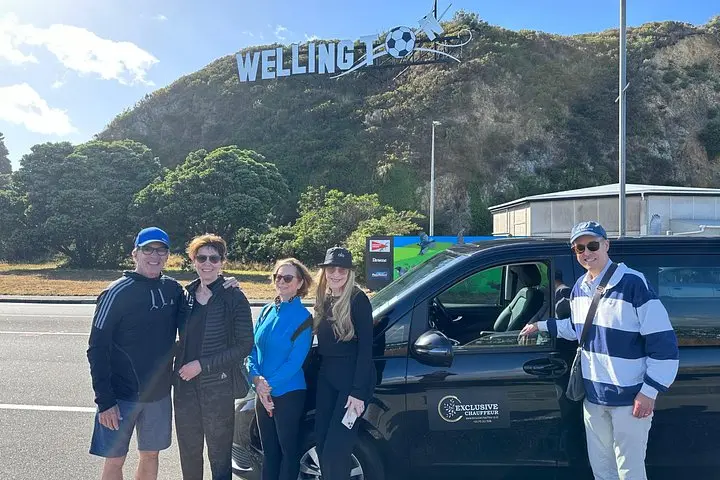
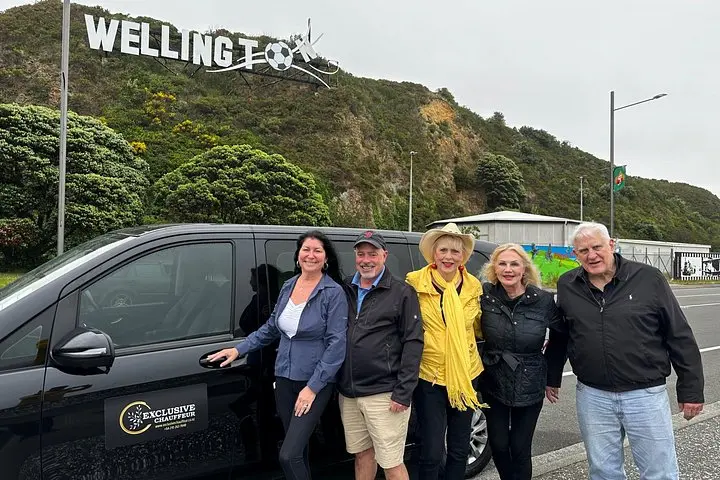
The city opens like a map you can walk into: gulls wheel over a bronzed harbour, wind tugs at your jacket, and the ridgeline of Mount Victoria frames the skyline. On a private 4–4.5 hour tour you move through that map with a local guide—scanning bays from a lookout, cutting through café-lined lanes, and pausing at museum doors that contain the country’s stories.
The city opens like a map you can walk into: gulls wheel over a bronzed harbour, wind tugs at your jacket, and the ridgeline of Mount Victoria frames the skyline. On a private 4–4.5 hour tour you move through that map with a local guide—scanning bays from a lookout, cutting through café-lined lanes, and pausing at museum doors that contain the country’s stories.
Wellington’s story is visible in its buildings and shoreline. Te Papa (opened 1998) presents Aotearoa’s bicultural history alongside contemporary art; the Beehive and Dominion Museum mark the capital’s colonial shift in the 19th century. Geologically, the harbour basin owes its shape to tectonic uplift from the 1855 Wairarapa earthquake—cliffs, bays and reclaimed flats that shaped the downtown you see today.
Culturally the city is direct and convivial: café culture, craft beer, and a creative film industry centered at Weta. Small neighborhoods—Oriental Bay’s sandy strip, the Cable Car’s green terraces, Old St Paul’s timber church—offer different faces of Wellington life.
Practical guidance: expect city walking with short uphill sections to Mt Victoria (about 195 m elevation). Dress in layers and bring a windproof layer and comfortable shoes; pockets of sun and sudden showers are normal year-round. Tours are customizable—tell your guide your priority (food, film, architecture) and they’ll pace stops accordingly. Public transport and street parking are available, and bottled water is usually provided on tour. For photographers, early morning or late afternoon light sharpens harbour views; if you want to explore Weta displays or ride the Cable Car, factor those admissions into your timing.