THE ADVENTURE COLLECTIVE® · Independent discovery and booking for outdoor travel

Explore Luxor’s West Bank with a private Egyptologist: Howard Carter’s house, the Valley of the Kings, Hatshepsut’s temple and the Colossi of Memnon in a personalized half-day tour. Beat the heat, bring water and expect narrow tomb passages and rich historical context.
Explore Luxor’s West Bank with a private Egyptologist: Howard Carter’s house, the Valley of the Kings, Hatshepsut’s temple and the Colossi of Memnon in a personalized half-day tour. Beat the heat, bring water and expect narrow tomb passages and rich historical context.
You step off the air-conditioned vehicle onto sun-baked stone and the West Bank’s dry wind immediately rearranges your thoughts—history pushing forward like a current toward the Nile.
Verified experiences and guided adventures in the surrounding area.
Operated by Luxor Private Day Tours · Luxor, Luxor Governorate
You step off the air-conditioned vehicle onto sun-baked stone and the West Bank’s dry wind immediately rearranges your thoughts—history pushing forward like a current toward the Nile.
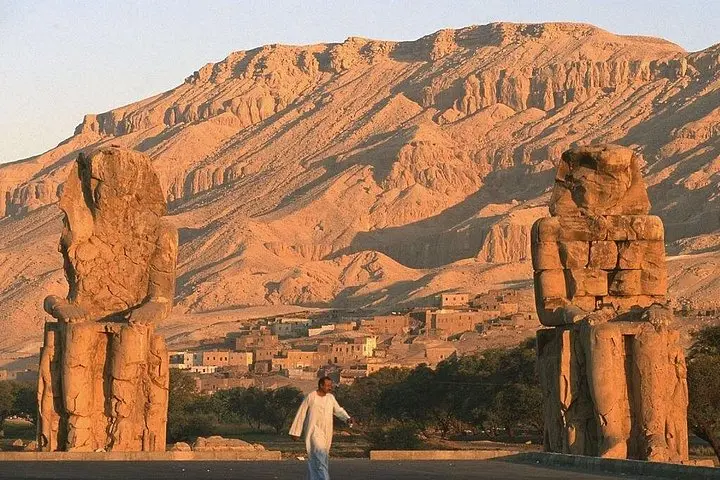
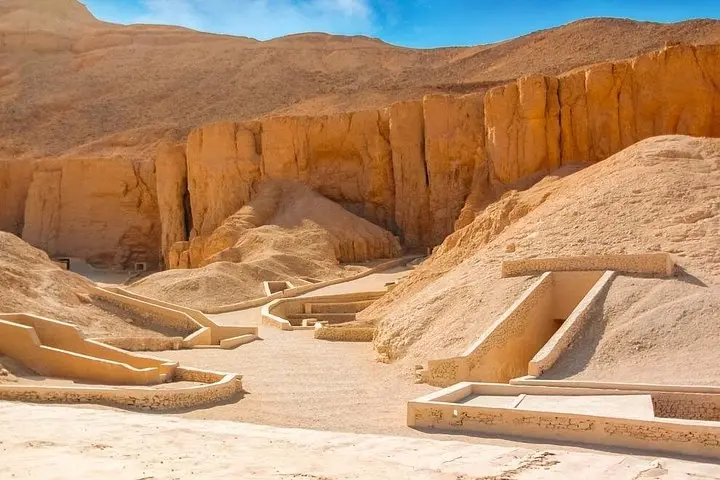
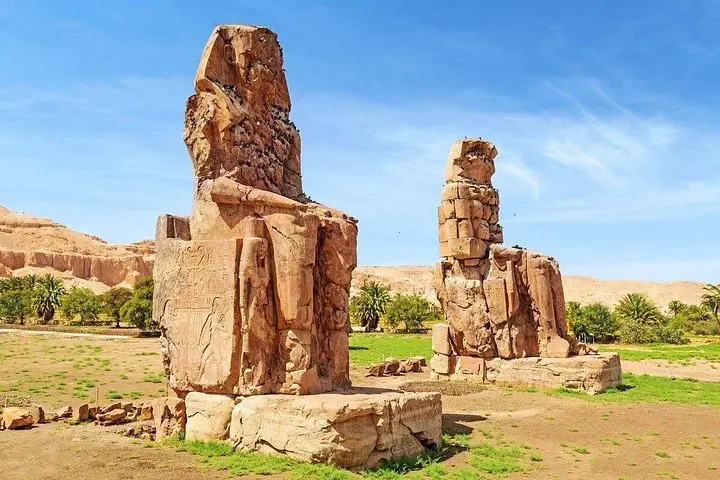
This private, half-day tour threads a clear line through Luxor’s funerary landscape: a focused 90 minutes at the Howard Carter House followed by deeper exploration of the Valley of the Kings, Hatshepsut’s terrace at Deir el-Bahari, and a quick stop to admire the Colossi of Memnon. The Valley’s limestone slopes and painted tomb chambers reveal New Kingdom geology and funerary practice—soft sedimentary rock carved into long, cool corridors that preserve pigments and ritual scenes.
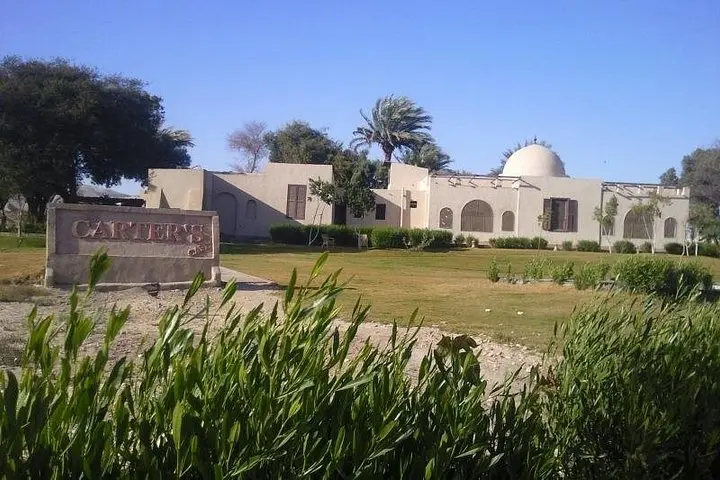
Howard Carter’s modest house holds the tools and notes of the archaeologist whose 1922 discovery upended modern Egyptology; seeing his workspace gives context to the objects and inscriptions you’ll encounter in the field.
Culturally, the West Bank remains both archaeological site and lived landscape: local guides and workmen continue preservation efforts, while nearby villages keep craft traditions alive. Expect dry air, strong sun, and lots of steps—tomb entrances are low and narrow.
Practical guidance: start early to beat heat and crowds, bring ample water and a sun hat, and wear closed shoes with good traction for uneven rock and carved stairways. Carry your passport for site entry and be prepared for photography restrictions inside certain tombs. With a private Egyptologist guide, you gain narrative depth and the flexibility to move at your own pace through one of Egypt’s most concentrated chapters of royal history.
Yes—this private tour includes admission to the Valley of the Kings and the Temple of Hatshepsut as noted in the itinerary.
Pickup and drop-off are included by air-conditioned vehicle; the booking will request your pickup point.
Yes—the house displays Carter’s documents and some artifacts or reproductions related to his work, offering context to his discovery of Tutankhamun’s tomb.
Some tombs prohibit flash or limit photography to protect pigments; your guide will advise on site-specific rules and any camera fees.
Luxor Private Day Tours operates guided outdoor trips and adventures with an emphasis on safety, stewardship, and memorable experiences.
You step off the air-conditioned vehicle onto sun-baked stone and the West Bank’s dry wind immediately rearranges your thoughts—history pushing forward like a current toward the Nile.
You step off the air-conditioned vehicle onto sun-baked stone and the West Bank’s dry wind immediately rearranges your thoughts—history pushing forward like a current toward the Nile.
This private, half-day tour threads a clear line through Luxor’s funerary landscape: a focused 90 minutes at the Howard Carter House followed by deeper exploration of the Valley of the Kings, Hatshepsut’s terrace at Deir el-Bahari, and a quick stop to admire the Colossi of Memnon. The Valley’s limestone slopes and painted tomb chambers reveal New Kingdom geology and funerary practice—soft sedimentary rock carved into long, cool corridors that preserve pigments and ritual scenes.
Howard Carter’s modest house holds the tools and notes of the archaeologist whose 1922 discovery upended modern Egyptology; seeing his workspace gives context to the objects and inscriptions you’ll encounter in the field.
Culturally, the West Bank remains both archaeological site and lived landscape: local guides and workmen continue preservation efforts, while nearby villages keep craft traditions alive. Expect dry air, strong sun, and lots of steps—tomb entrances are low and narrow.
Practical guidance: start early to beat heat and crowds, bring ample water and a sun hat, and wear closed shoes with good traction for uneven rock and carved stairways. Carry your passport for site entry and be prepared for photography restrictions inside certain tombs. With a private Egyptologist guide, you gain narrative depth and the flexibility to move at your own pace through one of Egypt’s most concentrated chapters of royal history.