THE ADVENTURE COLLECTIVE® · Independent discovery and booking for outdoor travel

A private full‑day from Reykjavík that pairs Seljalandsfoss’s walk‑behind cascade with a ferry ride to the Westman Islands—home to Eldfell volcano, puffin colonies and dramatic basalt formations. Expect a day of short hikes, seabird encounters and a close look at a community shaped by fire.
A private full‑day from Reykjavík that pairs Seljalandsfoss’s walk‑behind cascade with a ferry ride to the Westman Islands—home to Eldfell volcano, puffin colonies and dramatic basalt formations. Expect a day of short hikes, seabird encounters and a close look at a community shaped by fire.
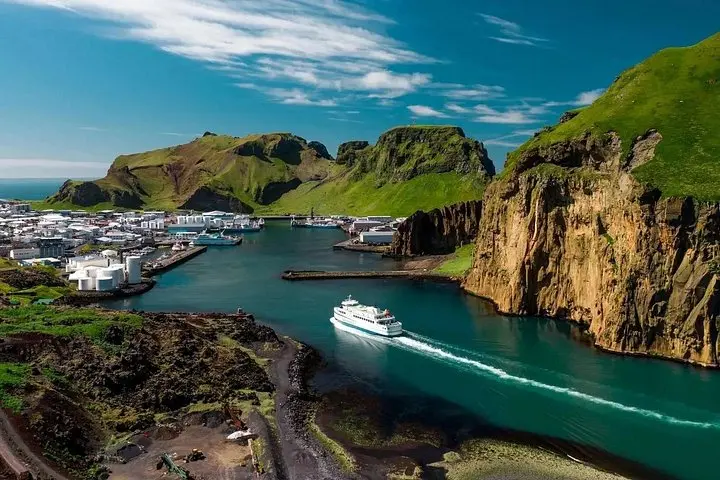
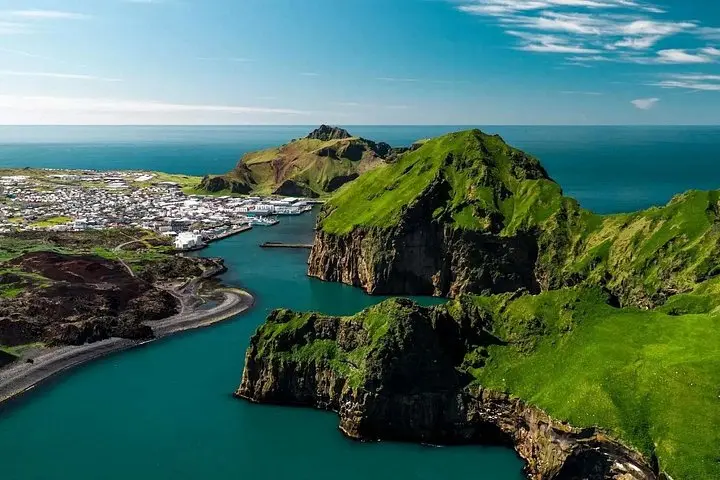
You step out of the van and the air changes—salt and peat and a wind that seems to have strong opinions. The ferry horn answers from the harbour and, before long, Heimaey’s black cliffs and bright puffin colonies come into view, a compact island with a recent volcanic scar and older human stories written in stone and houses. The day begins with Seljalandsfoss, a 60‑meter curtain of water you can walk behind, and unfolds into a full‑day loop of volcanic slopes, basalt stacks and a community that rebuilt after fire.
Verified experiences and guided adventures in the surrounding area.
Operated by Iceland Pro Tour · Vestmannaeyjar (Heimaey), South Iceland
You step out of the van and the air changes—salt and peat and a wind that seems to have strong opinions. The ferry horn answers from the harbour and, before long, Heimaey’s black cliffs and bright puffin colonies come into view, a compact island with a recent volcanic scar and older human stories written in stone and houses. The day begins with Seljalandsfoss, a 60‑meter curtain of water you can walk behind, and unfolds into a full‑day loop of volcanic slopes, basalt stacks and a community that rebuilt after fire.
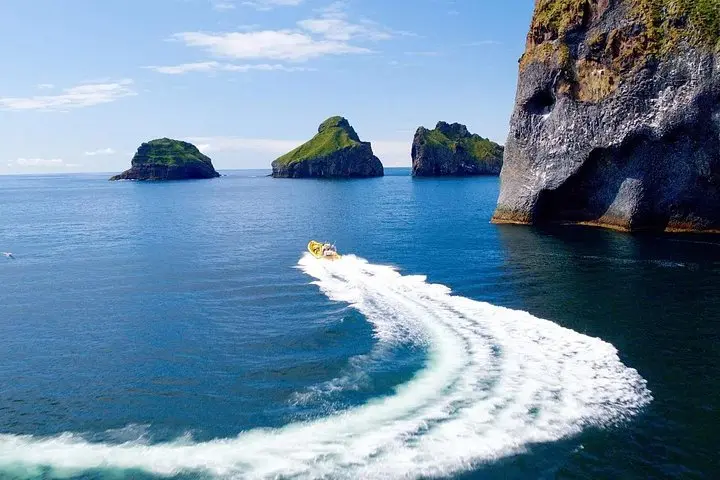
Geology is the island’s dominant language. Eldfell, the volcano that erupted in 1973, raised a new ridge and reshaped the shoreline, pushing black lava into the sea and altering livelihoods overnight. That eruption is present in every slope: jagged scoria, pockets of new soil that green up in summer, and the Eldheimar Museum, an immersive stop for anyone who wants the human side of a geological event. Offshore, basalt columns have been sculpted into recognizable shapes like Elephant Rock, where the ocean is always working at the cliffs and the light changes every five minutes.
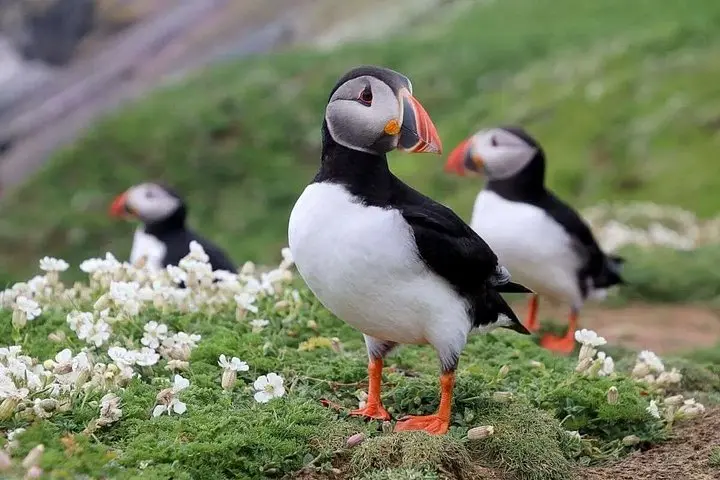
Culture on Heimaey is practical and celebratory. Herjólfsdalur hosts Þjóðhátíð, a festival that fills the island with visitors far beyond its population, and the islanders’ relationship with the sea shows up in smoked fish, small shipyards and a calm acceptance of wind and weather. Birdlife is part of the social calendar: from late spring through summer puffins stake claims along the grassy slopes of Stórhöfði, sometimes cheeky enough to ignore you as they tend nests a few meters away.
Practical guide: the tour includes ferry tickets and pickup in Reykjavík or directly from Keflavík Airport, and it runs about 12 hours—expect a full day. Seljalandsfoss is wet underfoot; waterproof layers and good‑grip shoes make the walk behind the falls pleasant rather than slippery. The optional Eldfell hike is a short, steep climb—plan for 20–40 minutes one way with roughly 150–200 meters of elevation gain; clear but exposed at the top, so windproof layers and a lightweight pack are smart. Puffin season runs roughly from late April to August, peaking in June–July; binoculars and a zoom lens improve sightings without disturbing colonies. Stórhöfði can be brutally windy—secure hats and keep cameras tethered.
Timing matters: aim for early departures to get the calmest sea on the ferry and the best light at the cliffs. Bring snacks, a re‑usable water bottle, and a pocket for a rain shell. Respect marked paths and local signs—the islands are small, the cliffs steep and the wildlife fragile. Done well, this private day tour is a compact education in volcano, sea and human resilience, delivered across two very different Icelandic landscapes.
Yes—return ferry tickets to Westman Islands are included in the tour price.
Yes—the itinerary offers either a hike to Eldfell’s rim (moderate, 20–40 minutes each way) or a visit to the Eldheimar Museum as an alternative.
Puffins are present from late April through August, with highest visibility and activity in June and July.
Yes—there is a path behind the falls; it can be wet and slippery so waterproof clothing and careful footing are recommended.
Yes—pickup and drop‑off are offered in Reykjavík and at Keflavík Airport; confirm your exact pickup point when booking.
Full refunds are available if you cancel at least 24 hours before the scheduled departure; bad weather or insufficient travelers may cause cancellation.
Iceland Pro Tour operates guided outdoor trips and adventures with an emphasis on safety, stewardship, and memorable experiences.
You step out of the van and the air changes—salt and peat and a wind that seems to have strong opinions. The ferry horn answers from the harbour and, before long, Heimaey’s black cliffs and bright puffin colonies come into view, a compact island with a recent volcanic scar and older human stories written in stone and houses. The day begins with Seljalandsfoss, a 60‑meter curtain of water you can walk behind, and unfolds into a full‑day loop of volcanic slopes, basalt stacks and a community that rebuilt after fire.
You step out of the van and the air changes—salt and peat and a wind that seems to have strong opinions. The ferry horn answers from the harbour and, before long, Heimaey’s black cliffs and bright puffin colonies come into view, a compact island with a recent volcanic scar and older human stories written in stone and houses. The day begins with Seljalandsfoss, a 60‑meter curtain of water you can walk behind, and unfolds into a full‑day loop of volcanic slopes, basalt stacks and a community that rebuilt after fire.
Geology is the island’s dominant language. Eldfell, the volcano that erupted in 1973, raised a new ridge and reshaped the shoreline, pushing black lava into the sea and altering livelihoods overnight. That eruption is present in every slope: jagged scoria, pockets of new soil that green up in summer, and the Eldheimar Museum, an immersive stop for anyone who wants the human side of a geological event. Offshore, basalt columns have been sculpted into recognizable shapes like Elephant Rock, where the ocean is always working at the cliffs and the light changes every five minutes.
Culture on Heimaey is practical and celebratory. Herjólfsdalur hosts Þjóðhátíð, a festival that fills the island with visitors far beyond its population, and the islanders’ relationship with the sea shows up in smoked fish, small shipyards and a calm acceptance of wind and weather. Birdlife is part of the social calendar: from late spring through summer puffins stake claims along the grassy slopes of Stórhöfði, sometimes cheeky enough to ignore you as they tend nests a few meters away.
Practical guide: the tour includes ferry tickets and pickup in Reykjavík or directly from Keflavík Airport, and it runs about 12 hours—expect a full day. Seljalandsfoss is wet underfoot; waterproof layers and good‑grip shoes make the walk behind the falls pleasant rather than slippery. The optional Eldfell hike is a short, steep climb—plan for 20–40 minutes one way with roughly 150–200 meters of elevation gain; clear but exposed at the top, so windproof layers and a lightweight pack are smart. Puffin season runs roughly from late April to August, peaking in June–July; binoculars and a zoom lens improve sightings without disturbing colonies. Stórhöfði can be brutally windy—secure hats and keep cameras tethered.
Timing matters: aim for early departures to get the calmest sea on the ferry and the best light at the cliffs. Bring snacks, a re‑usable water bottle, and a pocket for a rain shell. Respect marked paths and local signs—the islands are small, the cliffs steep and the wildlife fragile. Done well, this private day tour is a compact education in volcano, sea and human resilience, delivered across two very different Icelandic landscapes.