THE ADVENTURE COLLECTIVE® · Independent discovery and booking for outdoor travel

Board a private charter on Banderas Bay for a focused three-hour whale-watch: hydrophones, life vests, and a crew that prioritizes safe, low-impact viewing. Expect humpbacks, dolphins, turtles and clear guidance on conservation-minded approaches.
Board a private charter on Banderas Bay for a focused three-hour whale-watch: hydrophones, life vests, and a crew that prioritizes safe, low-impact viewing. Expect humpbacks, dolphins, turtles and clear guidance on conservation-minded approaches.
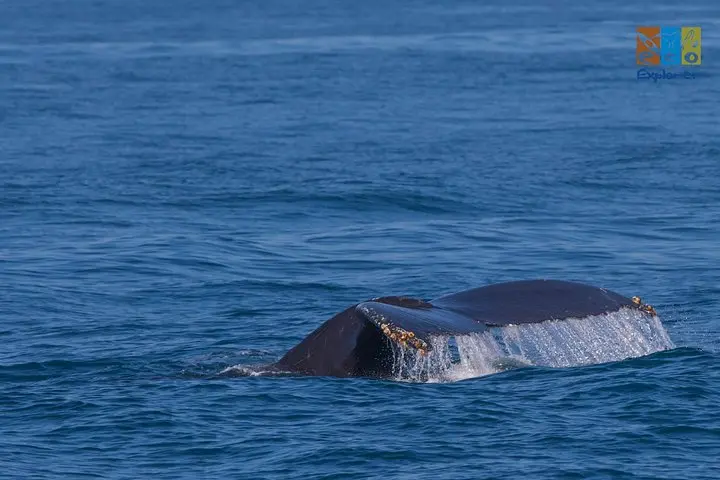
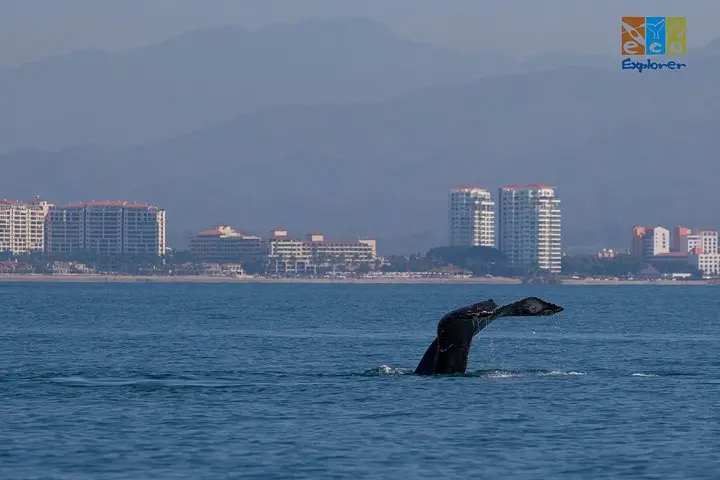
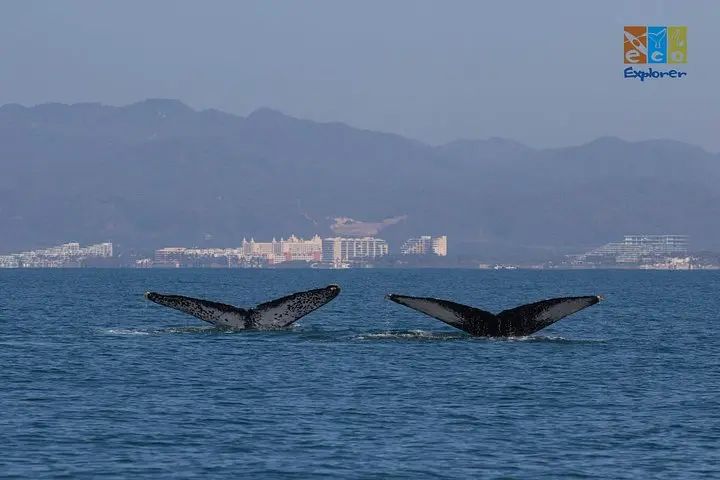
Morning light fractures across Banderas Bay as the outboard settles into a steady rasp and your private boat slips past the harbor. Sea spray cools the face; the captain scans a skyline of distant palms and the Sierra Madre foothills. Within an hour, the water changes character—pockets of birds, a dorsal fin, the deliberate exhale of a humpback.
Verified experiences and guided adventures in the surrounding area.
Operated by Eco Explorer Vallarta · Puerto Vallarta, Jalisco
Morning light fractures across Banderas Bay as the outboard settles into a steady rasp and your private boat slips past the harbor. Sea spray cools the face; the captain scans a skyline of distant palms and the Sierra Madre foothills. Within an hour, the water changes character—pockets of birds, a dorsal fin, the deliberate exhale of a humpback.
Banderas Bay is one of the Pacific’s broad, sheltered embayments carved by tectonics and coastal erosion, its deep center and warm shallows attracting migratory whales and a clutch of marine life. Local fishing villages—Puerto Vallarta, Mismaloya, and the quieter coves like Yelapa—have long read tides and seasons; modern whale-watch operators work under government permits and community conservancy programs such as Bahia Unida to limit disturbance.
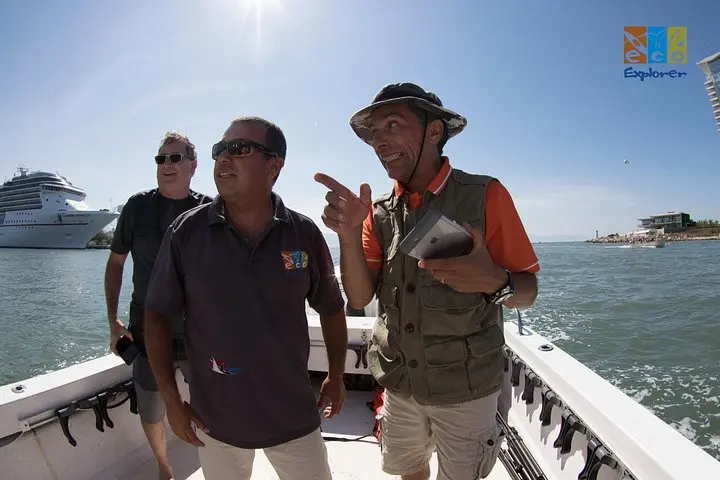
On a three-hour private charter you get dedicated crew, life vests, a hydrophone to hear whales’ low calls, and up-close observation while remaining at respectful distances. Expect to see humpback whales in season, plus dolphins, sea turtles and manta rays; photographers should bring a 200–400mm lens or a compact with good zoom.
Practical notes: trips depart from Puerto Vallarta marina—arrive early to avoid traffic. Seas can be calm one hour and choppy the next; motion-sickness meds help. Sun protection, reusable water bottle, and layers matter—mornings can be breezy. Respect crew instructions on approach distances; the conservation wristbands and permits carried on board signal regulated viewing. For the most reliable sightings plan between December and April, when migrating whales are most active.
The prime season is December through April when humpback whales migrate to breed and calf in the bay; sightings are most consistent mid-season (January–March).
Yes—operators often recommend a minimum age (this tour suggests 10+); children should be supervised, wear life vests and be able to follow crew safety briefings.
Tours may be canceled for safety; this operator offers full refunds if you cancel at least 24 hours prior, and also cancels in poor weather for safety reasons.
Yes—boats operate under permits, use no-harassment approaches, carry conservancy wristbands, and may use hydrophones to reduce disturbance while listening to whales’ calls.
Eco Explorer Vallarta operates guided outdoor trips and adventures with an emphasis on safety, stewardship, and memorable experiences.
Morning light fractures across Banderas Bay as the outboard settles into a steady rasp and your private boat slips past the harbor. Sea spray cools the face; the captain scans a skyline of distant palms and the Sierra Madre foothills. Within an hour, the water changes character—pockets of birds, a dorsal fin, the deliberate exhale of a humpback.
Morning light fractures across Banderas Bay as the outboard settles into a steady rasp and your private boat slips past the harbor. Sea spray cools the face; the captain scans a skyline of distant palms and the Sierra Madre foothills. Within an hour, the water changes character—pockets of birds, a dorsal fin, the deliberate exhale of a humpback.
Banderas Bay is one of the Pacific’s broad, sheltered embayments carved by tectonics and coastal erosion, its deep center and warm shallows attracting migratory whales and a clutch of marine life. Local fishing villages—Puerto Vallarta, Mismaloya, and the quieter coves like Yelapa—have long read tides and seasons; modern whale-watch operators work under government permits and community conservancy programs such as Bahia Unida to limit disturbance.
On a three-hour private charter you get dedicated crew, life vests, a hydrophone to hear whales’ low calls, and up-close observation while remaining at respectful distances. Expect to see humpback whales in season, plus dolphins, sea turtles and manta rays; photographers should bring a 200–400mm lens or a compact with good zoom.
Practical notes: trips depart from Puerto Vallarta marina—arrive early to avoid traffic. Seas can be calm one hour and choppy the next; motion-sickness meds help. Sun protection, reusable water bottle, and layers matter—mornings can be breezy. Respect crew instructions on approach distances; the conservation wristbands and permits carried on board signal regulated viewing. For the most reliable sightings plan between December and April, when migrating whales are most active.