THE ADVENTURE COLLECTIVE® · Independent discovery and booking for outdoor travel

Head out from Haleiwa Harbor on a private, biologist-guided whale watch to search for migrating humpbacks in Oahu’s winter waters. Learn marine science on board while enjoying coastal views and a respectful, education-first approach to wildlife viewing.
Head out from Haleiwa Harbor on a private, biologist-guided whale watch to search for migrating humpbacks in Oahu’s winter waters. Learn marine science on board while enjoying coastal views and a respectful, education-first approach to wildlife viewing.
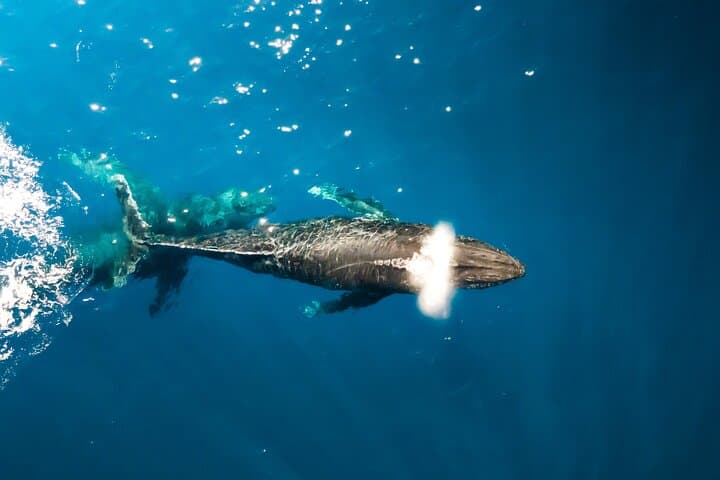
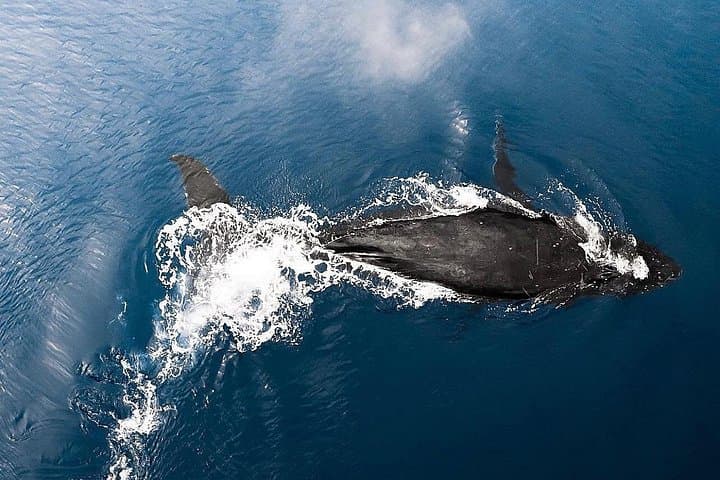
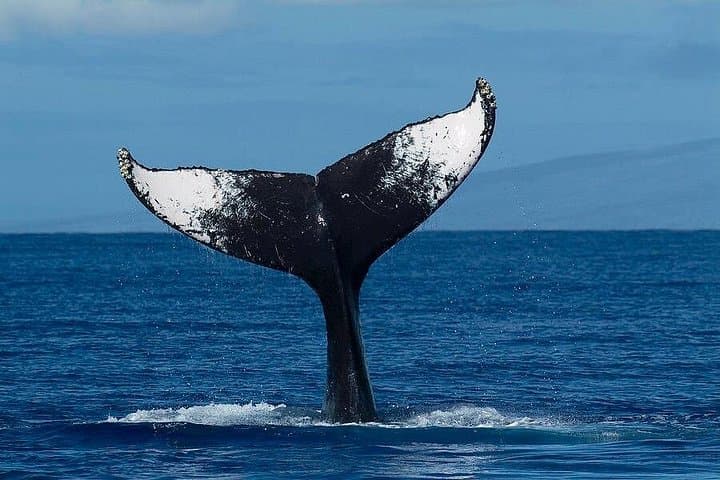
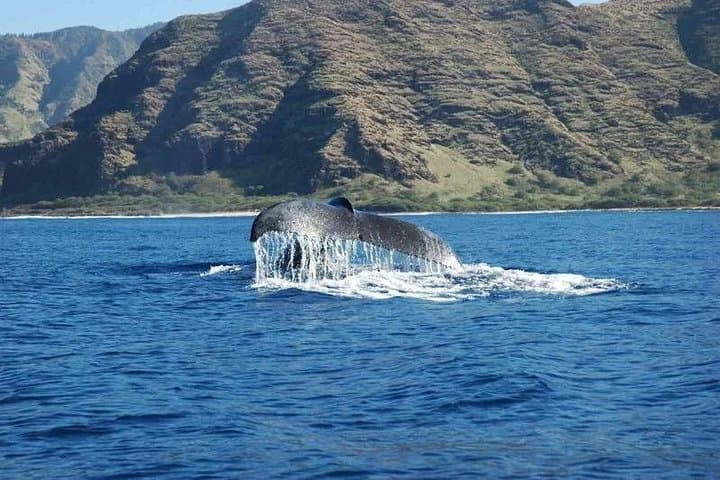
The boat eases out of Haleiwa Boat Harbor and the white-capped Pacific opens like a road to the horizon. Salt spray and the sharp green of the North Shore cliffs frame the route as the captain and marine biologist scan for blows and tail slaps; every plume or breath feels like a reply from the ocean.
Verified experiences and guided adventures in the surrounding area.
Operated by Deep Blue Eco Tours · Haleiwa, Hawaii
The boat eases out of Haleiwa Boat Harbor and the white-capped Pacific opens like a road to the horizon. Salt spray and the sharp green of the North Shore cliffs frame the route as the captain and marine biologist scan for blows and tail slaps; every plume or breath feels like a reply from the ocean.
This stretch of water is part of a seasonal corridor where humpback whales (known locally as kohola) migrate from Alaskan feeding grounds to breed and calve in Hawaii’s warmer winter seas. The island itself is volcanic—basalt cliffs and fringing reefs drop quickly into deep blue—which concentrates marine life and creates reliable whale-watching grounds from late December through April, peaking in February–March.
On board expect evidence-driven narration: behavior explanations, identification tips, and context about Hawaiian cultural ties to whales. The crew follows NOAA and local rules, keeping respectful distance so the animals set the pace. Offshore, currents sculpt sandbars and reefs where spinner dolphins and green sea turtles gather, making every outing a live classroom.
Practical guidance: trips run about two hours from Haleiwa; wear layered sun and wind protection and bring motion-sickness remedies if you’re prone. Binoculars are usually provided, but a compact pair of your own speeds identification. Morning and midday runs trade calmer seas for stronger light; late winter days often yield more surface activity. Remember there’s no guarantee of a sighting—this is wildlife observation, not a performance—so patience and flexible expectations are part of the experience.
Whale season runs roughly December through April, with activity often peaking in February–March when mating and calving behavior increases.
No—sightings aren’t guaranteed. Guides use experience, weather, and recent reports to maximize chances but wildlife is unpredictable.
Yes, most ages can participate, but travelers with spine, heart, or pregnancy concerns should consult a doctor; moderate mobility is required for boat boarding.
Operators follow NOAA and Hawaiian guidelines and keep a safe, legal distance; the animals decide interactions—crews will not chase or harass marine mammals.
Deep Blue Eco Tours operates guided outdoor trips and adventures with an emphasis on safety, stewardship, and memorable experiences.
The boat eases out of Haleiwa Boat Harbor and the white-capped Pacific opens like a road to the horizon. Salt spray and the sharp green of the North Shore cliffs frame the route as the captain and marine biologist scan for blows and tail slaps; every plume or breath feels like a reply from the ocean.
The boat eases out of Haleiwa Boat Harbor and the white-capped Pacific opens like a road to the horizon. Salt spray and the sharp green of the North Shore cliffs frame the route as the captain and marine biologist scan for blows and tail slaps; every plume or breath feels like a reply from the ocean.
This stretch of water is part of a seasonal corridor where humpback whales (known locally as kohola) migrate from Alaskan feeding grounds to breed and calve in Hawaii’s warmer winter seas. The island itself is volcanic—basalt cliffs and fringing reefs drop quickly into deep blue—which concentrates marine life and creates reliable whale-watching grounds from late December through April, peaking in February–March.
On board expect evidence-driven narration: behavior explanations, identification tips, and context about Hawaiian cultural ties to whales. The crew follows NOAA and local rules, keeping respectful distance so the animals set the pace. Offshore, currents sculpt sandbars and reefs where spinner dolphins and green sea turtles gather, making every outing a live classroom.
Practical guidance: trips run about two hours from Haleiwa; wear layered sun and wind protection and bring motion-sickness remedies if you’re prone. Binoculars are usually provided, but a compact pair of your own speeds identification. Morning and midday runs trade calmer seas for stronger light; late winter days often yield more surface activity. Remember there’s no guarantee of a sighting—this is wildlife observation, not a performance—so patience and flexible expectations are part of the experience.