THE ADVENTURE COLLECTIVE® · Independent discovery and booking for outdoor travel

Escape Dublin for a tailored day through County Wicklow’s dramatic landscapes. Visit Lough Tay’s dark waters, explore Glendalough’s 6th‑century monastic ruins, and stroll Powerscourt’s acclaimed gardens with a private guide and vehicle.
Escape Dublin for a tailored day through County Wicklow’s dramatic landscapes. Visit Lough Tay’s dark waters, explore Glendalough’s 6th‑century monastic ruins, and stroll Powerscourt’s acclaimed gardens with a private guide and vehicle.
You step out of Dublin’s hum and into a softer weather—rolling green ridges and a narrow road that threads between peat bogs and oak copses. The private vehicle eases to a stop at Lough Tay; the dark water sits like a dram of stout, the white sand shore a ribbon of contrast. It’s a picture pause, but the landscape keeps moving—higher, quieter, older.
Verified experiences and guided adventures in the surrounding area.
Operated by IrishTours365 · Glendalough, County Wicklow
You step out of Dublin’s hum and into a softer weather—rolling green ridges and a narrow road that threads between peat bogs and oak copses. The private vehicle eases to a stop at Lough Tay; the dark water sits like a dram of stout, the white sand shore a ribbon of contrast. It’s a picture pause, but the landscape keeps moving—higher, quieter, older.
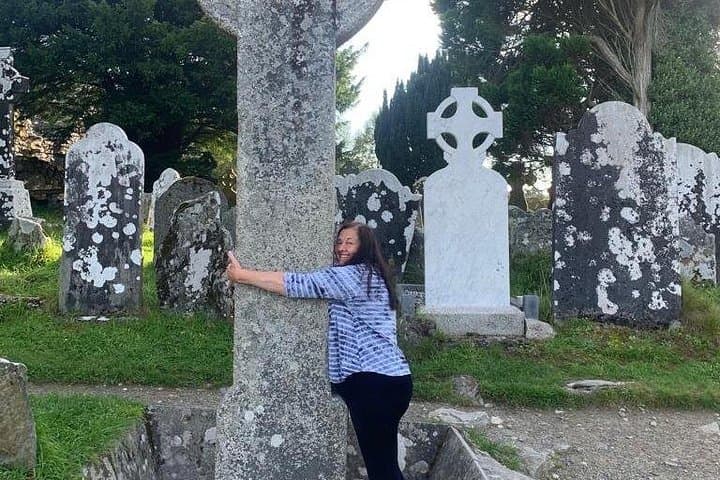
Glendalough is the heart of the day: a 6th‑century monastic settlement carved into a glacial valley. Stone ruins and a round tower stand beside still water, where the wind reads the slopes and the trees answer back. Geologically, the valley was sculpted by ice, leaving U-shaped basins, rocky tors and peat that retains rain like a sponge—expect boggy margins and hard-packed trails in places.
Powerscourt Gardens shifts the tone: formal terraces, sculpted beds and a grand house facing Sugarloaf Mountain. Local culture here is half rural farming and half country house stewardship; visitors often pair natural hikes with garden history and estate cafés.
Practical side: wear broken‑in waterproof shoes, layer for sudden Atlantic weather, and pack a small daypack for water and a camera. Parking and short walks are part of the itinerary; allow about six hours for the full private loop. If you want deeper hikes or to skip the gardens, tell the guide when booking—the route is flexible. Respect paths to protect fragile peat and invasive rhododendron control areas. Morning light gives the best photographs and quieter moments at the monastery; afternoon suits the gardens' blooms and tearooms.
Admission is not included by default; the operator can arrange tickets for purchase when you book—confirm availability in advance.
Walking is moderate: short, largely flat walks at Powerscourt and short uneven sections at Glendalough; no long hikes unless requested.
Yes—this is a private tour and the guide will adjust stops and timings if you request alternative sites or extra walking time.
The tour and vehicle are accessible, but some historic areas and trails at Glendalough have uneven surfaces that may limit access—notify the operator when booking.
IrishTours365 operates guided outdoor trips and adventures with an emphasis on safety, stewardship, and memorable experiences.



You step out of Dublin’s hum and into a softer weather—rolling green ridges and a narrow road that threads between peat bogs and oak copses. The private vehicle eases to a stop at Lough Tay; the dark water sits like a dram of stout, the white sand shore a ribbon of contrast. It’s a picture pause, but the landscape keeps moving—higher, quieter, older.
You step out of Dublin’s hum and into a softer weather—rolling green ridges and a narrow road that threads between peat bogs and oak copses. The private vehicle eases to a stop at Lough Tay; the dark water sits like a dram of stout, the white sand shore a ribbon of contrast. It’s a picture pause, but the landscape keeps moving—higher, quieter, older.
Glendalough is the heart of the day: a 6th‑century monastic settlement carved into a glacial valley. Stone ruins and a round tower stand beside still water, where the wind reads the slopes and the trees answer back. Geologically, the valley was sculpted by ice, leaving U-shaped basins, rocky tors and peat that retains rain like a sponge—expect boggy margins and hard-packed trails in places.
Powerscourt Gardens shifts the tone: formal terraces, sculpted beds and a grand house facing Sugarloaf Mountain. Local culture here is half rural farming and half country house stewardship; visitors often pair natural hikes with garden history and estate cafés.
Practical side: wear broken‑in waterproof shoes, layer for sudden Atlantic weather, and pack a small daypack for water and a camera. Parking and short walks are part of the itinerary; allow about six hours for the full private loop. If you want deeper hikes or to skip the gardens, tell the guide when booking—the route is flexible. Respect paths to protect fragile peat and invasive rhododendron control areas. Morning light gives the best photographs and quieter moments at the monastery; afternoon suits the gardens' blooms and tearooms.