THE ADVENTURE COLLECTIVE® · Independent discovery and booking for outdoor travel

Spend a private day with a wildlife biologist across Wind Cave, Custer State Park, and the Needles Highway. This full-day tour combines geology, wildlife interpretation, and slow-paced fieldwork to reveal the Black Hills’ living systems.
Spend a private day with a wildlife biologist across Wind Cave, Custer State Park, and the Needles Highway. This full-day tour combines geology, wildlife interpretation, and slow-paced fieldwork to reveal the Black Hills’ living systems.
A morning in the Black Hills begins with wind that seems to read the map as you step from an air-conditioned vehicle onto coarse prairie soil. The guide — a wildlife biologist — quiets the group and points out a line of bison on a distant ridge; the animals shift like slow clouds, deciding routes for the day. From underground grottos to granite spires, the landscape directs attention as much as the guide does.
Verified experiences and guided adventures in the surrounding area.
Operated by My XO Adventures · Custer, South Dakota
A morning in the Black Hills begins with wind that seems to read the map as you step from an air-conditioned vehicle onto coarse prairie soil. The guide — a wildlife biologist — quiets the group and points out a line of bison on a distant ridge; the animals shift like slow clouds, deciding routes for the day. From underground grottos to granite spires, the landscape directs attention as much as the guide does.
The tour threads together Wind Cave’s ancient boxwork and unique airflow with the open mixed-grass prairie that helped shape Lakota lifeways. Over the 19th and 20th centuries these hills saw fur traders, homesteaders, and early conservation efforts that kept stretches of prairie intact. Geology here reads in granite needles, glacially-sculpted basins, and limestone caves whose passages preserve both time and stories.
Custer State Park’s Wildlife Loop and the Needles Highway show how topography and ecology create habitat — granite spires funnel wind, meadows hold moisture for grasses, and roads reveal wildlife rhythms rather than interrupting them. Expect focused interpretation on animal behavior, plant communities, and human influence on the landscape.
Practically: the day runs 7–8 hours with picnic lunch and short on-foot stops. Wear grippy shoes and layered clothing for variable mountain sun and shade. Bring binoculars and a camera with a telephoto lens for respectful distance viewing. Hydrate and listen to the biologist’s cues — the best sightings come from patience and gentle movement.
The tour runs approximately 7–8 hours (420–480 minutes), including a picnic lunch and multiple short stops for walks and interpretation.
Yes — it’s rated suitable for all fitness levels; the pace is deliberate with short, accessible walks and vehicle-supported travel.
Yes — the itinerary includes Wind Cave with guided interpretive time; cave sections involve steps and cooler temperatures, so dress accordingly.
Admission is included as part of the tour itinerary; confirm details with the operator at booking for any changes.
My XO Adventures operates guided outdoor trips and adventures with an emphasis on safety, stewardship, and memorable experiences.
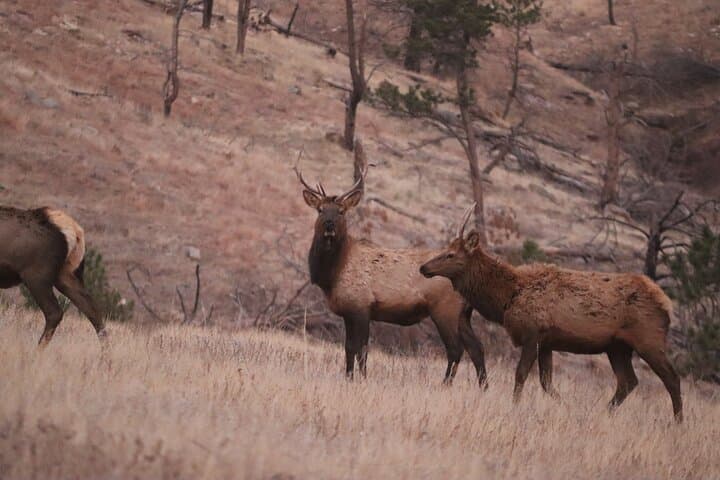
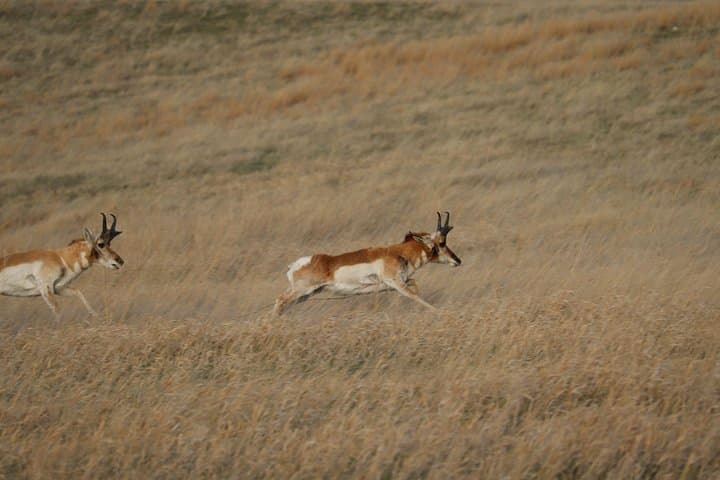
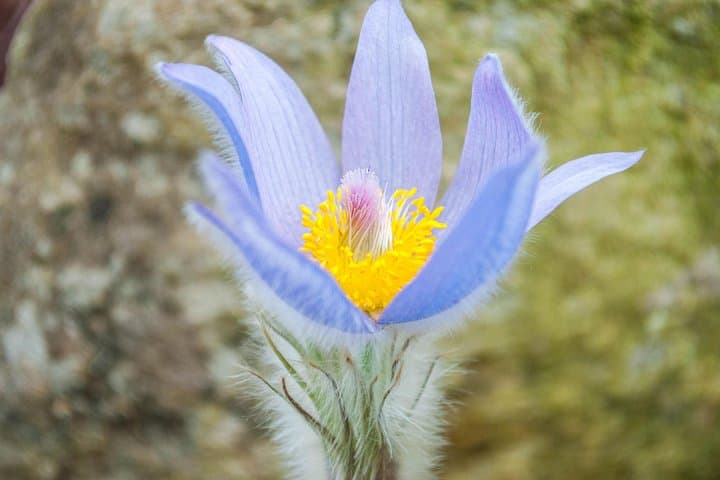
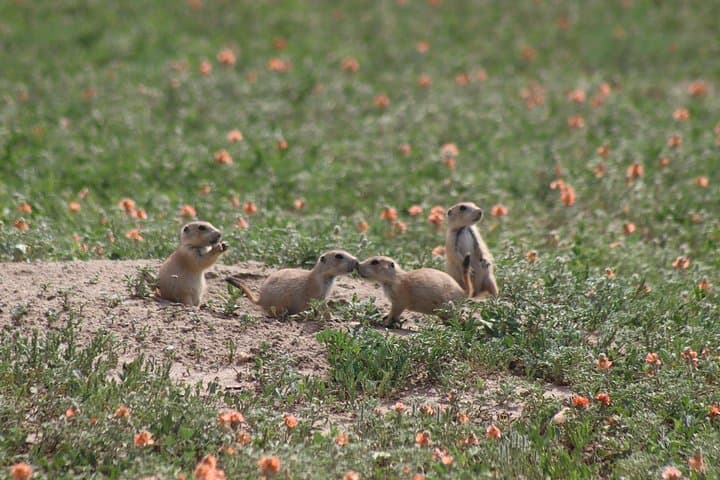
A morning in the Black Hills begins with wind that seems to read the map as you step from an air-conditioned vehicle onto coarse prairie soil. The guide — a wildlife biologist — quiets the group and points out a line of bison on a distant ridge; the animals shift like slow clouds, deciding routes for the day. From underground grottos to granite spires, the landscape directs attention as much as the guide does.
A morning in the Black Hills begins with wind that seems to read the map as you step from an air-conditioned vehicle onto coarse prairie soil. The guide — a wildlife biologist — quiets the group and points out a line of bison on a distant ridge; the animals shift like slow clouds, deciding routes for the day. From underground grottos to granite spires, the landscape directs attention as much as the guide does.
The tour threads together Wind Cave’s ancient boxwork and unique airflow with the open mixed-grass prairie that helped shape Lakota lifeways. Over the 19th and 20th centuries these hills saw fur traders, homesteaders, and early conservation efforts that kept stretches of prairie intact. Geology here reads in granite needles, glacially-sculpted basins, and limestone caves whose passages preserve both time and stories.
Custer State Park’s Wildlife Loop and the Needles Highway show how topography and ecology create habitat — granite spires funnel wind, meadows hold moisture for grasses, and roads reveal wildlife rhythms rather than interrupting them. Expect focused interpretation on animal behavior, plant communities, and human influence on the landscape.
Practically: the day runs 7–8 hours with picnic lunch and short on-foot stops. Wear grippy shoes and layered clothing for variable mountain sun and shade. Bring binoculars and a camera with a telephoto lens for respectful distance viewing. Hydrate and listen to the biologist’s cues — the best sightings come from patience and gentle movement.