THE ADVENTURE COLLECTIVE® · Independent discovery and booking for outdoor travel

Discover Swiss wines and cheeses in a private, sommelier-led tasting in Geneva. Learn pairing technique, regional history and how local soils and alpine pastures shape flavors.
Discover Swiss wines and cheeses in a private, sommelier-led tasting in Geneva. Learn pairing technique, regional history and how local soils and alpine pastures shape flavors.
You step into a bright tasting room a few blocks from Lake Geneva; sunlight slants across a long wooden table where five small pours and five cheese rounds await. The sommelier gestures to a map of cantons, and the first glass—pale Chasselas—moves across the table like a cool breeze off the lake.
Verified experiences and guided adventures in the surrounding area.
Operated by Agence 1786 · Geneva, Canton of Geneva
You step into a bright tasting room a few blocks from Lake Geneva; sunlight slants across a long wooden table where five small pours and five cheese rounds await. The sommelier gestures to a map of cantons, and the first glass—pale Chasselas—moves across the table like a cool breeze off the lake.
Geneva sits at the western edge of the Alps where glacial lakes and steep slopes shape local viticulture. Vineyards in nearby Vaud and Valais exploit mineral-rich alluvial soils and sun-warmed terraces; those landscape stories show up in the wines you taste—tension between cool-climate acidity and ripe alpine fruit. Cheese here carries its own lineage: Gruyère AOP and Appenzeller reflect centuries of alpine dairying and seasonal pasture cycles.
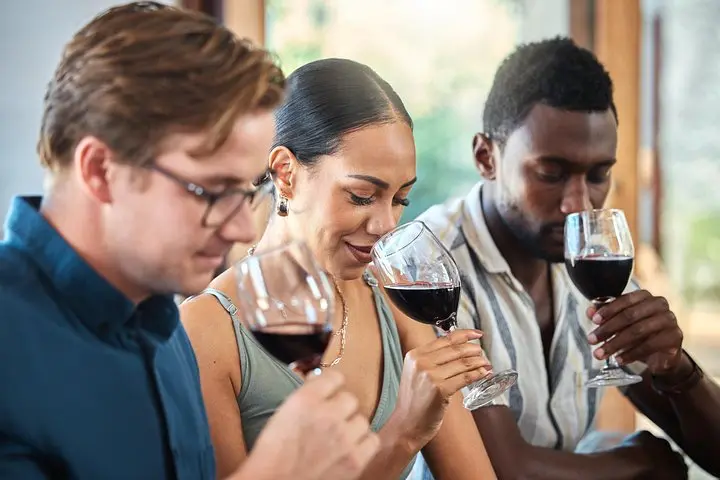
The experience focuses on sensory technique and local context: how acidity, salt and texture interact, and why a Pinot Noir from the Geneva hills reads differently than one from Valais. Expect clear demonstrations—how to swirl, what to smell, how to pace a tasting—and regional anecdotes about producers, appellations and aging cave practices.
Practical guidance: bring a government ID, go sober to appreciate subtleties, and schedule tastings earlier in the day to avoid palate fatigue. Hydrate between pours and use public transit or book a return transfer if you plan to buy bottles. The setting is private and relaxed—ideal for curious beginners and food-focused travelers who want concise, local insight into Swiss pairings.
The tasting includes five local Swiss wines paired with five Swiss cheeses selected by the sommelier.
Yes; the session is private and instructional, designed to teach tasting technique and pairing principles for all levels.
Often yes—many tastings offer bottles for sale or can recommend local shops and shipping options.
This tasting is intended for adults; operators typically require participants to be of legal drinking age and may not permit minors.
Agence 1786 operates guided outdoor trips and adventures with an emphasis on safety, stewardship, and memorable experiences.
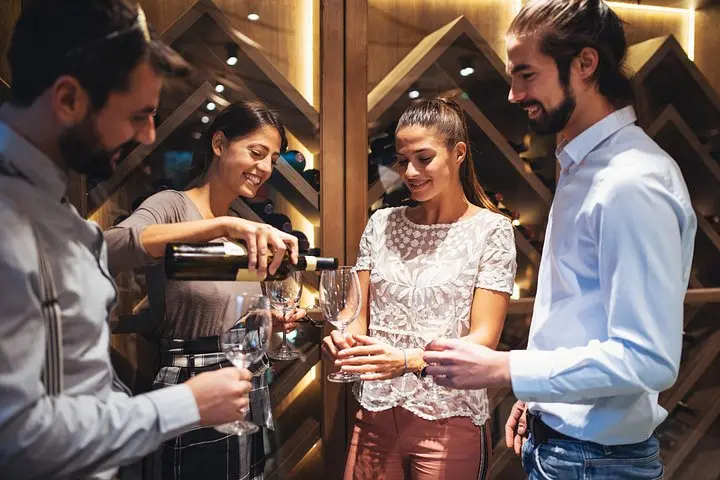
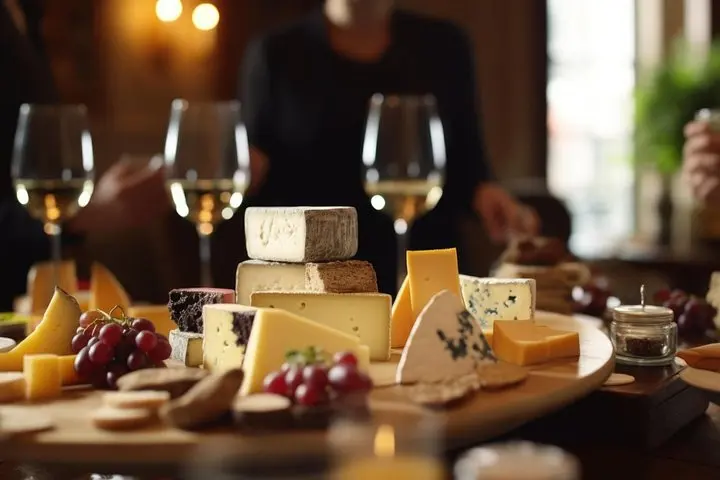
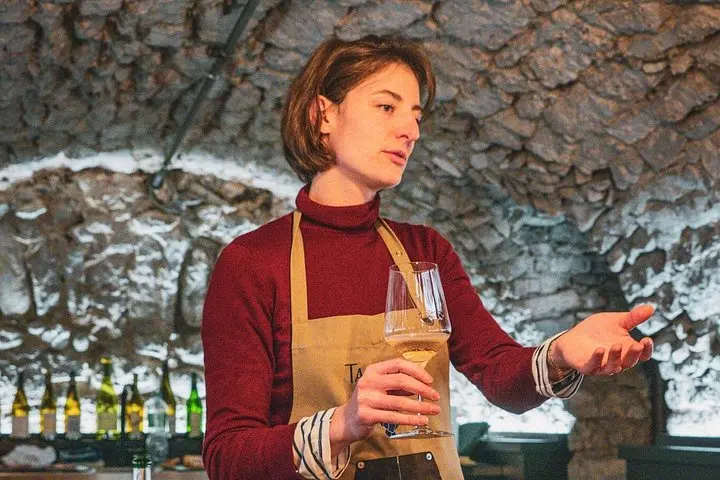
You step into a bright tasting room a few blocks from Lake Geneva; sunlight slants across a long wooden table where five small pours and five cheese rounds await. The sommelier gestures to a map of cantons, and the first glass—pale Chasselas—moves across the table like a cool breeze off the lake.
You step into a bright tasting room a few blocks from Lake Geneva; sunlight slants across a long wooden table where five small pours and five cheese rounds await. The sommelier gestures to a map of cantons, and the first glass—pale Chasselas—moves across the table like a cool breeze off the lake.
Geneva sits at the western edge of the Alps where glacial lakes and steep slopes shape local viticulture. Vineyards in nearby Vaud and Valais exploit mineral-rich alluvial soils and sun-warmed terraces; those landscape stories show up in the wines you taste—tension between cool-climate acidity and ripe alpine fruit. Cheese here carries its own lineage: Gruyère AOP and Appenzeller reflect centuries of alpine dairying and seasonal pasture cycles.
The experience focuses on sensory technique and local context: how acidity, salt and texture interact, and why a Pinot Noir from the Geneva hills reads differently than one from Valais. Expect clear demonstrations—how to swirl, what to smell, how to pace a tasting—and regional anecdotes about producers, appellations and aging cave practices.
Practical guidance: bring a government ID, go sober to appreciate subtleties, and schedule tastings earlier in the day to avoid palate fatigue. Hydrate between pours and use public transit or book a return transfer if you plan to buy bottles. The setting is private and relaxed—ideal for curious beginners and food-focused travelers who want concise, local insight into Swiss pairings.