THE ADVENTURE COLLECTIVE® · Independent discovery and booking for outdoor travel

Taste the Côte de Nuits and Côte de Beaune on a private day trip from Dijon. Enjoy curator‑led cellar visits, guided tastings, and insights into Burgundy’s terroir and history.
Taste the Côte de Nuits and Côte de Beaune on a private day trip from Dijon. Enjoy curator‑led cellar visits, guided tastings, and insights into Burgundy’s terroir and history.
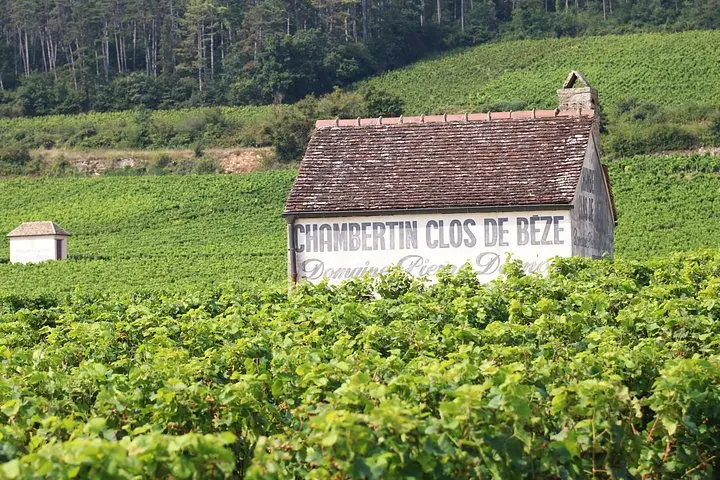
You step out of an air‑conditioned vehicle and the rows of vines stretch like ordered lanes of history, the leaves whispering in a breeze that seems to point you toward the next glass. The Route des Grands Crus carves a ribbon through the Côte de Nuits and Côte de Beaune — slopes that tilt sunward, soils of limestone and clay revealing the geology that shapes each appellation.
Verified experiences and guided adventures in the surrounding area.
Operated by Along Burgundy · Dijon, Bourgogne-Franche-Comté
You step out of an air‑conditioned vehicle and the rows of vines stretch like ordered lanes of history, the leaves whispering in a breeze that seems to point you toward the next glass. The Route des Grands Crus carves a ribbon through the Côte de Nuits and Côte de Beaune — slopes that tilt sunward, soils of limestone and clay revealing the geology that shapes each appellation.
Burgundy’s wine story is ancient: Roman plantings, Cistercian monks refining parcels in the Middle Ages, and centuries of small domaines that split holdings into tight, named climats now protected by UNESCO. Culture here is local and tactile — stone villages, cellar doors, winemakers who treat terroir as both science and craft.
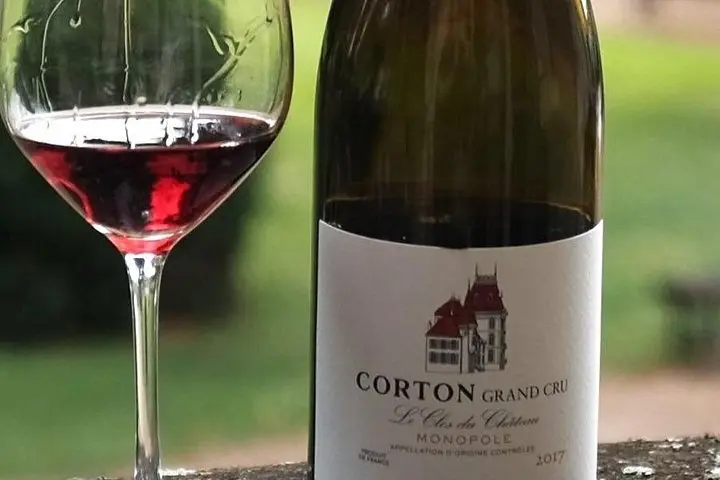
On a private tasting tour you’ll visit two to three cellars chosen for clarity of style and pedigree. Expect guided flights of whites and reds, cellar tours that sometimes include stacked barrels and cool stone vats, and a lunchtime suggestion from your guide in a nearby village.
Practical edge: a full day is typically eight hours with comfortable transport provided; wear shoes with a firm sole for uneven cellar floors and short vineyard walks. Hydrate between tastings and pace yourself — spitting is standard at professional tastings. Ask the guide about organic or biodynamic practices if that matters to you; many estates here are transitioning to lower‑intervention farming.
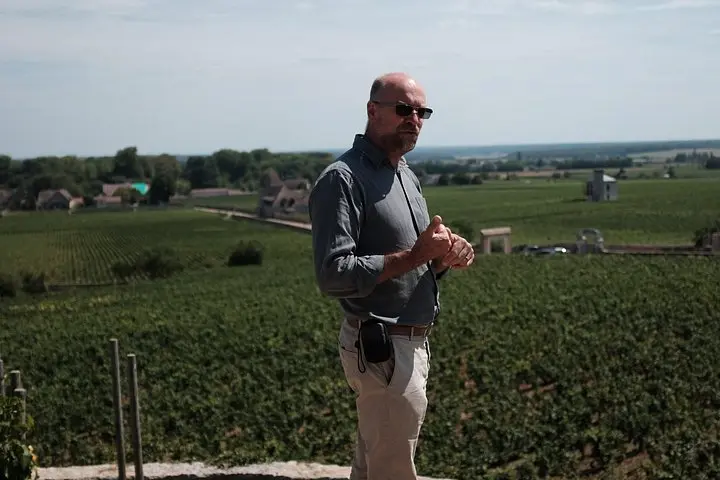
This is a tour designed for curiosity: it teaches appellation logic, shows how slope and soil alter a grape, and hands you a map to understand why a single bottle can taste like a place.
Most private tours include pickup from central Dijon or a designated meeting point; confirm your exact pickup location when booking.
The tour typically includes two to three refined tastings in selected estates; cellar visit access varies by domaine and current cellar operations.
Legal drinking age in France is 18; operators expect all guests to meet the national minimum age for alcohol consumption.
Private tours often allow preferences to be shared in advance; your specialist guide can tailor stops when possible based on availability and estate schedules.
Along Burgundy operates guided outdoor trips and adventures with an emphasis on safety, stewardship, and memorable experiences.
You step out of an air‑conditioned vehicle and the rows of vines stretch like ordered lanes of history, the leaves whispering in a breeze that seems to point you toward the next glass. The Route des Grands Crus carves a ribbon through the Côte de Nuits and Côte de Beaune — slopes that tilt sunward, soils of limestone and clay revealing the geology that shapes each appellation.
You step out of an air‑conditioned vehicle and the rows of vines stretch like ordered lanes of history, the leaves whispering in a breeze that seems to point you toward the next glass. The Route des Grands Crus carves a ribbon through the Côte de Nuits and Côte de Beaune — slopes that tilt sunward, soils of limestone and clay revealing the geology that shapes each appellation.
Burgundy’s wine story is ancient: Roman plantings, Cistercian monks refining parcels in the Middle Ages, and centuries of small domaines that split holdings into tight, named climats now protected by UNESCO. Culture here is local and tactile — stone villages, cellar doors, winemakers who treat terroir as both science and craft.
On a private tasting tour you’ll visit two to three cellars chosen for clarity of style and pedigree. Expect guided flights of whites and reds, cellar tours that sometimes include stacked barrels and cool stone vats, and a lunchtime suggestion from your guide in a nearby village.
Practical edge: a full day is typically eight hours with comfortable transport provided; wear shoes with a firm sole for uneven cellar floors and short vineyard walks. Hydrate between tastings and pace yourself — spitting is standard at professional tastings. Ask the guide about organic or biodynamic practices if that matters to you; many estates here are transitioning to lower‑intervention farming.
This is a tour designed for curiosity: it teaches appellation logic, shows how slope and soil alter a grape, and hands you a map to understand why a single bottle can taste like a place.