THE ADVENTURE COLLECTIVE® · Independent discovery and booking for outdoor travel

Spend a full day exploring the Cape Winelands with up to 20 premium tastings at Delaire Graff, Tokara, Delheim and Fairview. Private transport, a main-course lunch and winery fees are included — a practical, immersive introduction to Stellenbosch and Franschhoek’s wine culture.
Spend a full day exploring the Cape Winelands with up to 20 premium tastings at Delaire Graff, Tokara, Delheim and Fairview. Private transport, a main-course lunch and winery fees are included — a practical, immersive introduction to Stellenbosch and Franschhoek’s wine culture.
The morning drive out of Cape Town unfurls mountain passes and vineyard rows like a map you can step into. Sun hits slate roofs and vines as the private air‑conditioned vehicle threads the Helshoogte Pass toward Stellenbosch; by the first stop you can already taste the air, sharp with fermenting fruit and rosemary from nearby gardens.
Verified experiences and guided adventures in the surrounding area.
Operated by Beyond Africa Safaris (Pty)Ltd · Stellenbosch, Western Cape
The morning drive out of Cape Town unfurls mountain passes and vineyard rows like a map you can step into. Sun hits slate roofs and vines as the private air‑conditioned vehicle threads the Helshoogte Pass toward Stellenbosch; by the first stop you can already taste the air, sharp with fermenting fruit and rosemary from nearby gardens.
The route follows an arc of history: Stellenbosch, founded in 1679, carries Dutch and Huguenot influences that shaped vineyard layouts and cellar traditions. The geology is simple and decisive — sandstone and granite slopes, free‑draining soils and cool, ocean‑influenced microclimates that favor quality cultivars such as Cabernet Sauvignon and Chenin Blanc. Franschhoek’s narrow valley reads like a culinary map; French Huguenot settlers left a food-and-wine culture still celebrated at town markets and family estates.
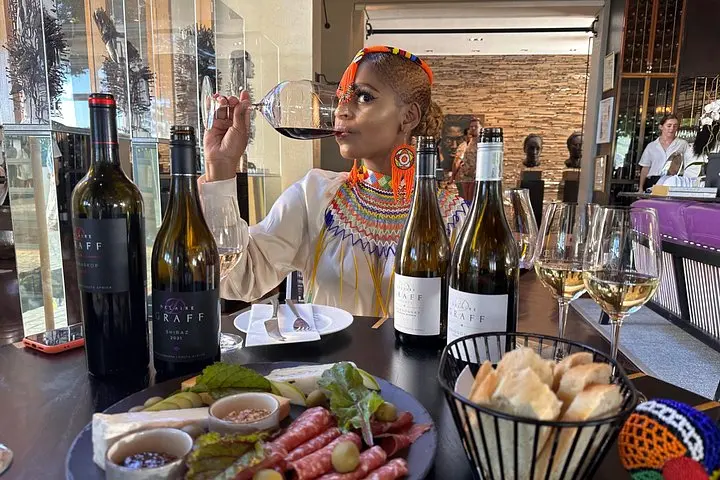
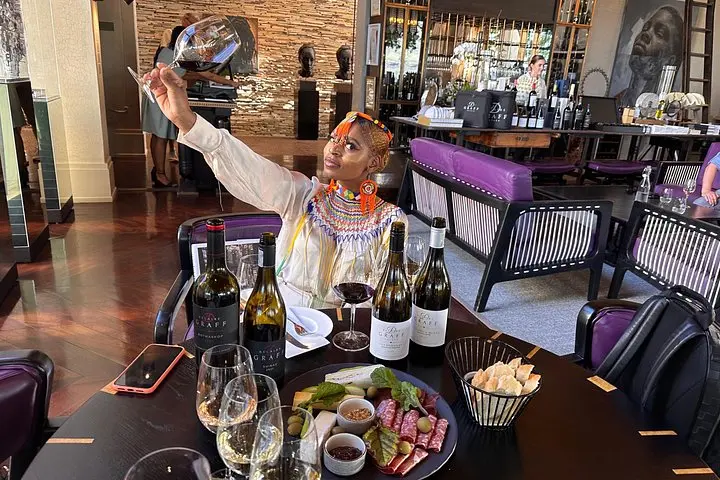
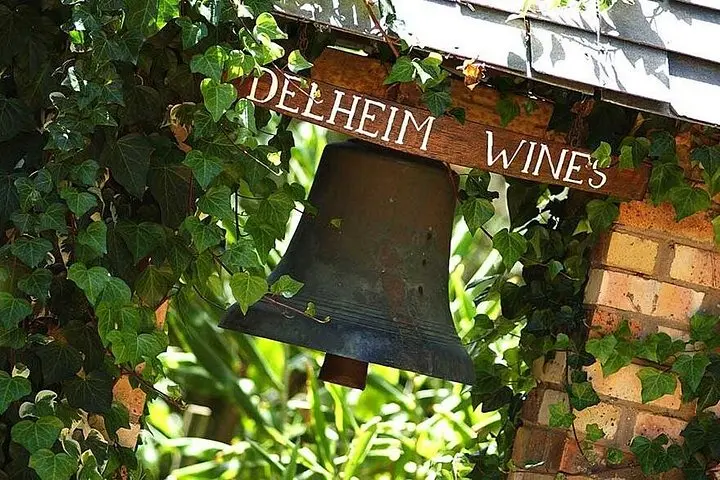
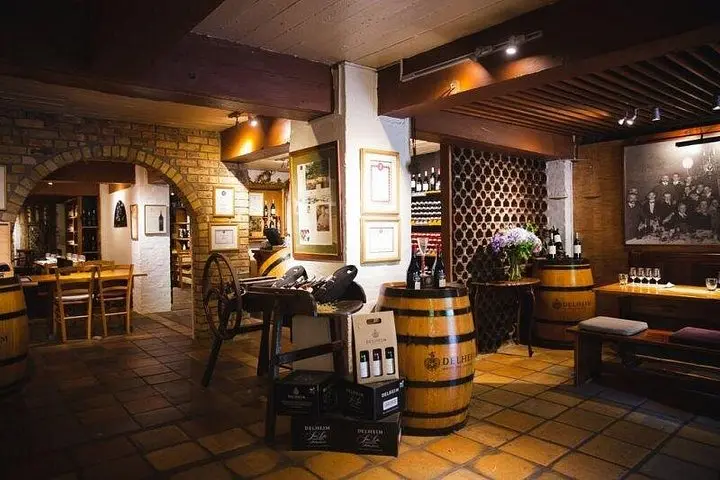
Expect four curated estates: a luxury, view-heavy Delaire Graff; Tokara’s modern tasting room; Delheim for a garden lunch; and Fairview’s convivial cheese pairings. Tastings are structured but relaxed — up to 20 premium pours across the day — with hotel pickup and wheelchair‑accessible transport.
Practical edge: pace your tastings, hydrate between stops, and wear closed shoes for gravel and cellar steps. Bring sun protection and a small day pack for purchases and camera gear. Ask your guide about swapping an estate if one is unexpectedly closed; many farms rotate tastings seasonally.
This is a full‑day, sensory itinerary — part history lesson, part culinary tour — best enjoyed with an appetite, sensible footwear, and a plan for transport back to your Cape Town hotel.
Yes — tasting fees at the listed estates and a main-course lunch (up to the specified limit) are included in the tour price; extras are at your expense.
Yes — private, air‑conditioned transport with hotel pickup and drop‑off in Cape Town is included and wheelchair accessible.
The tour is flexible and can be tailored to preferences; confirm specific estate requests with the operator before the day.
South Africa’s legal drinking age is 18; guests must meet this requirement to participate in tastings.
Beyond Africa Safaris (Pty)Ltd operates guided outdoor trips and adventures with an emphasis on safety, stewardship, and memorable experiences.
The morning drive out of Cape Town unfurls mountain passes and vineyard rows like a map you can step into. Sun hits slate roofs and vines as the private air‑conditioned vehicle threads the Helshoogte Pass toward Stellenbosch; by the first stop you can already taste the air, sharp with fermenting fruit and rosemary from nearby gardens.
The morning drive out of Cape Town unfurls mountain passes and vineyard rows like a map you can step into. Sun hits slate roofs and vines as the private air‑conditioned vehicle threads the Helshoogte Pass toward Stellenbosch; by the first stop you can already taste the air, sharp with fermenting fruit and rosemary from nearby gardens.
The route follows an arc of history: Stellenbosch, founded in 1679, carries Dutch and Huguenot influences that shaped vineyard layouts and cellar traditions. The geology is simple and decisive — sandstone and granite slopes, free‑draining soils and cool, ocean‑influenced microclimates that favor quality cultivars such as Cabernet Sauvignon and Chenin Blanc. Franschhoek’s narrow valley reads like a culinary map; French Huguenot settlers left a food-and-wine culture still celebrated at town markets and family estates.
Expect four curated estates: a luxury, view-heavy Delaire Graff; Tokara’s modern tasting room; Delheim for a garden lunch; and Fairview’s convivial cheese pairings. Tastings are structured but relaxed — up to 20 premium pours across the day — with hotel pickup and wheelchair‑accessible transport.
Practical edge: pace your tastings, hydrate between stops, and wear closed shoes for gravel and cellar steps. Bring sun protection and a small day pack for purchases and camera gear. Ask your guide about swapping an estate if one is unexpectedly closed; many farms rotate tastings seasonally.
This is a full‑day, sensory itinerary — part history lesson, part culinary tour — best enjoyed with an appetite, sensible footwear, and a plan for transport back to your Cape Town hotel.