THE ADVENTURE COLLECTIVE® · Independent discovery and booking for outdoor travel

Travel the Grands Crus route in a private minivan with a Burgundy expert. Taste 10–15 wines across Côte de Nuits and Côte de Beaune while learning the region’s geology, Climats, and winemaking traditions.
Travel the Grands Crus route in a private minivan with a Burgundy expert. Taste 10–15 wines across Côte de Nuits and Côte de Beaune while learning the region’s geology, Climats, and winemaking traditions.
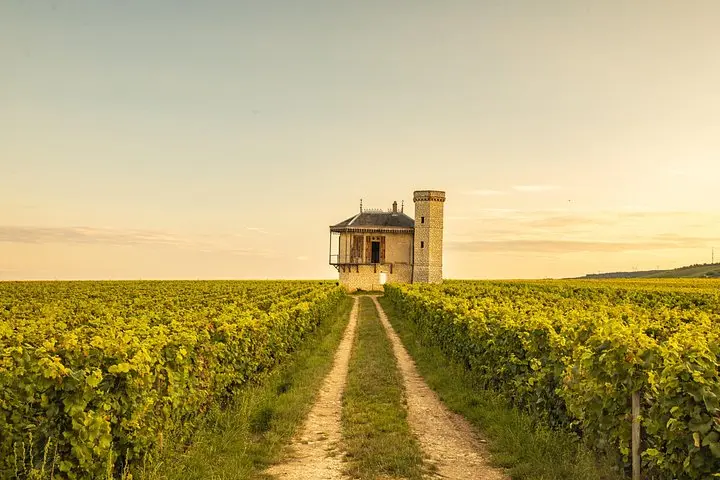
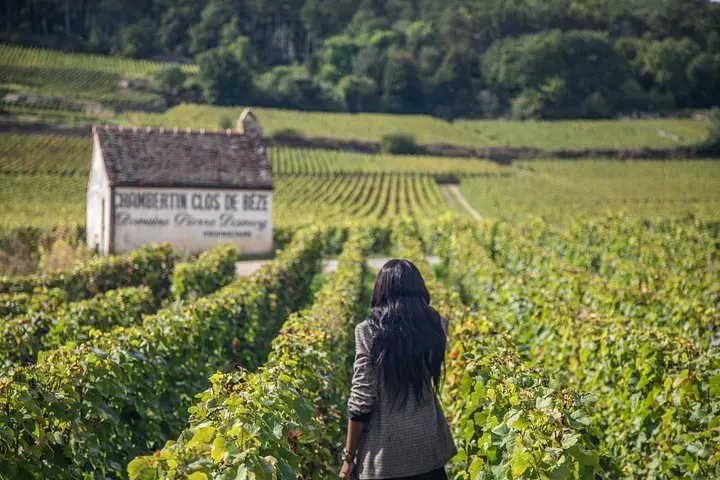
A low morning mist lifts from the rows as your minivan threads the narrow D-roads between limestone knolls and neatly pruned vines. The air smells faintly of earth and grape leaves; the vines seem to lean forward, offering their fruit for inspection. This private wine tour moves deliberately through the Côte de Nuits and Côte de Beaune, two adjacent slopes that produce some of Burgundy’s most prized Pinot Noir and Chardonnay.
Verified experiences and guided adventures in the surrounding area.
Operated by Grape Adventure · Beaune, Bourgogne-Franche-Comté
A low morning mist lifts from the rows as your minivan threads the narrow D-roads between limestone knolls and neatly pruned vines. The air smells faintly of earth and grape leaves; the vines seem to lean forward, offering their fruit for inspection. This private wine tour moves deliberately through the Côte de Nuits and Côte de Beaune, two adjacent slopes that produce some of Burgundy’s most prized Pinot Noir and Chardonnay.
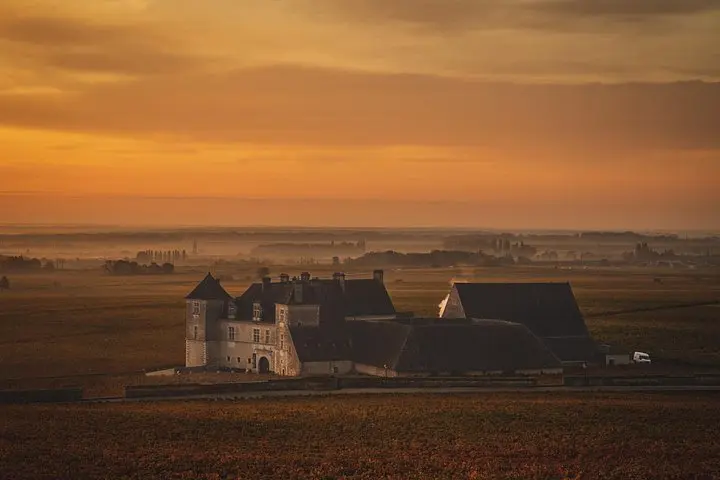
The route follows centuries-old parcels called Climats — small, well-defined plots whose soil, aspect and microclimate produce distinctive wines. Geology is front-and-center here: Jurassic limestone and marl give structure to the wines, while sun-facing slopes warm early and cool late, shaping ripening. Cultural history threads through village names — Gevrey-Chambertin, Vosne-Romanée, Meursault — each with cellars and châteaux tied to noble and monastic viticulture.
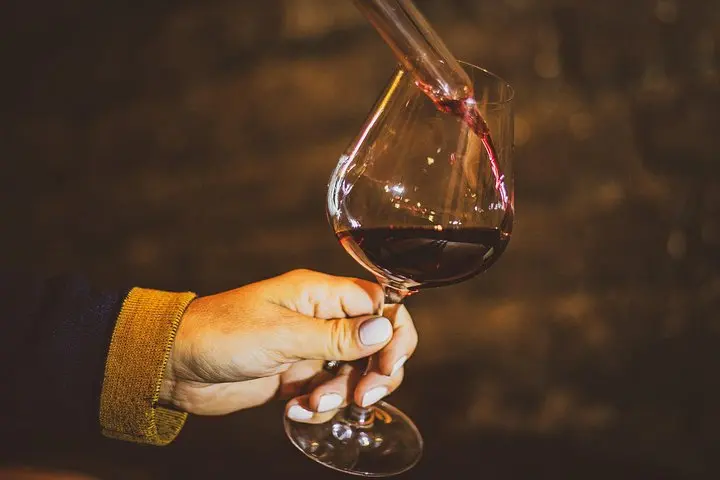
Expect two private tastings at producer estates (about 10–15 wines total), commentary from a local expert, and a pause for lunch in a village bistro. The guide explains Burgundian classification from village to Grand Cru and points out famous climats like Romanée‑Conti and Corton Charlemagne.
Practical guidance: bring a small daypack for layers, a camera, ID for tastings, and cash or card for lunch (lunch not included). Plan for a full day — roughly 7–8 hours — with gentle walking between cellars. Hydrate between tastings and use public transport or a guide-provided vehicle to avoid driving after wine. In short: an education in terroir delivered comfortably, with the landscape actively showing you why these slopes matter.
Yes — the tour includes two private tastings at producing estates, covering roughly 10–15 wines including village, Premier Cru and Grand Cru examples.
No — lunch is not included; plan on €25–€40 per person for a restaurant meal on the wine coast.
Inform the operator at booking; children can be on the tour but tastings are restricted to those 18 and over (legal drinking age in France).
Full refund if canceled at least 24 hours before departure; no refund within 24 hours according to the standard policy.
Grape Adventure operates guided outdoor trips and adventures with an emphasis on safety, stewardship, and memorable experiences.
A low morning mist lifts from the rows as your minivan threads the narrow D-roads between limestone knolls and neatly pruned vines. The air smells faintly of earth and grape leaves; the vines seem to lean forward, offering their fruit for inspection. This private wine tour moves deliberately through the Côte de Nuits and Côte de Beaune, two adjacent slopes that produce some of Burgundy’s most prized Pinot Noir and Chardonnay.
A low morning mist lifts from the rows as your minivan threads the narrow D-roads between limestone knolls and neatly pruned vines. The air smells faintly of earth and grape leaves; the vines seem to lean forward, offering their fruit for inspection. This private wine tour moves deliberately through the Côte de Nuits and Côte de Beaune, two adjacent slopes that produce some of Burgundy’s most prized Pinot Noir and Chardonnay.
The route follows centuries-old parcels called Climats — small, well-defined plots whose soil, aspect and microclimate produce distinctive wines. Geology is front-and-center here: Jurassic limestone and marl give structure to the wines, while sun-facing slopes warm early and cool late, shaping ripening. Cultural history threads through village names — Gevrey-Chambertin, Vosne-Romanée, Meursault — each with cellars and châteaux tied to noble and monastic viticulture.
Expect two private tastings at producer estates (about 10–15 wines total), commentary from a local expert, and a pause for lunch in a village bistro. The guide explains Burgundian classification from village to Grand Cru and points out famous climats like Romanée‑Conti and Corton Charlemagne.
Practical guidance: bring a small daypack for layers, a camera, ID for tastings, and cash or card for lunch (lunch not included). Plan for a full day — roughly 7–8 hours — with gentle walking between cellars. Hydrate between tastings and use public transport or a guide-provided vehicle to avoid driving after wine. In short: an education in terroir delivered comfortably, with the landscape actively showing you why these slopes matter.