THE ADVENTURE COLLECTIVE® · Independent discovery and booking for outdoor travel

Explore the Churchill War Rooms and a walking circuit of Whitehall’s wartime memorials on a 3.5-hour private tour. Intimate underground exhibits combine with a guided stroll past the Cenotaph, Battle of Britain memorial and hidden plaques along the Thames.
Explore the Churchill War Rooms and a walking circuit of Whitehall’s wartime memorials on a 3.5-hour private tour. Intimate underground exhibits combine with a guided stroll past the Cenotaph, Battle of Britain memorial and hidden plaques along the Thames.
You step off Whitehall into a city that still carries the weight of its wartime decisions: the River Thames glints coldly and seems to dare you to look back toward the bunker where history was managed.
Verified experiences and guided adventures in the surrounding area.
Operated by Let me show you London · London, Greater London
You step off Whitehall into a city that still carries the weight of its wartime decisions: the River Thames glints coldly and seems to dare you to look back toward the bunker where history was managed.
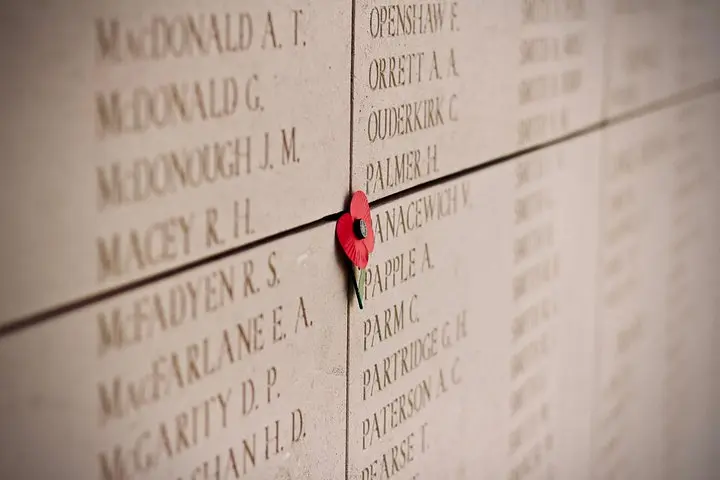
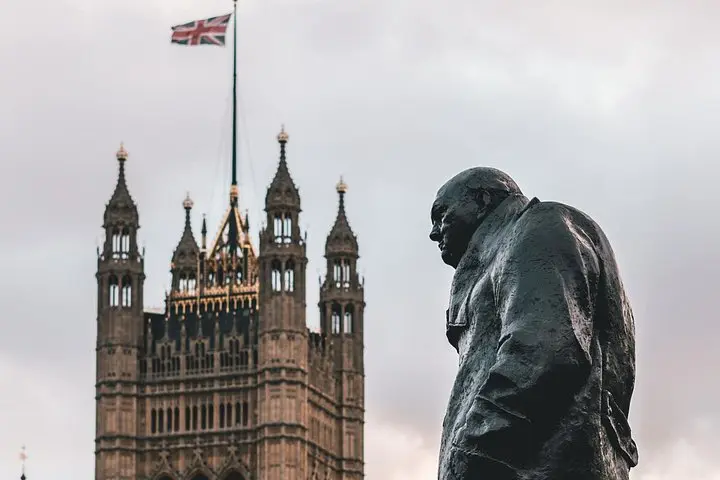
The experience begins underground in the Churchill War Rooms—the preserved nerve center of Britain’s wartime government—where map tables, telephones and dim corridors put scale and texture on dates and headlines. Above ground, the walk threads past the Cenotaph, the Battle of Britain memorial and lesser-known plaques along the Embankment that honor units like the Chindits.
London’s history here is compact and visceral: concrete and brick overlaid on reclaimed marshes of the Thames, streets that guided troop movements and policymaking that shaped postwar Europe. Culturally, the tour surfaces wartime London as both gritty bureaucracy and personal story—Churchill’s speeches, family photographs and unexpected artifacts reveal the human side of strategy.
Practically, expect 3–3.5 hours on foot across paved city streets with some underground, low-ceiling spaces. The museum portion provides seating and exhibits but includes narrow corridors; museum rules limit large bags and flash photography. Guides supply focused context—dates, names and maps—to connect each memorial to the bigger arc of the war.
Plan to arrive with comfortable shoes, weatherproof layers and an interest in close-up history. If you want quieter moments, ask your guide to pause at the smaller plaques along the Thames; those corners often yield the clearest stories.
The main Imperial War Museum/War Rooms has limited accessibility—there is step-free access to parts of the visitor experience but some historic rooms and corridors are narrow; contact the operator for details.
Non-flash photography is generally allowed in many exhibit areas, but some rooms restrict photography—follow signage and your guide’s instructions.
Yes—children must be accompanied by an adult; the guide can tailor stories for different ages but some content may be intense for very young children.
Tipping is discretionary and appreciated for exceptional service; small cash tips or a positive online review are common ways to show appreciation.
Let me show you London operates guided outdoor trips and adventures with an emphasis on safety, stewardship, and memorable experiences.

You step off Whitehall into a city that still carries the weight of its wartime decisions: the River Thames glints coldly and seems to dare you to look back toward the bunker where history was managed.
You step off Whitehall into a city that still carries the weight of its wartime decisions: the River Thames glints coldly and seems to dare you to look back toward the bunker where history was managed.
The experience begins underground in the Churchill War Rooms—the preserved nerve center of Britain’s wartime government—where map tables, telephones and dim corridors put scale and texture on dates and headlines. Above ground, the walk threads past the Cenotaph, the Battle of Britain memorial and lesser-known plaques along the Embankment that honor units like the Chindits.
London’s history here is compact and visceral: concrete and brick overlaid on reclaimed marshes of the Thames, streets that guided troop movements and policymaking that shaped postwar Europe. Culturally, the tour surfaces wartime London as both gritty bureaucracy and personal story—Churchill’s speeches, family photographs and unexpected artifacts reveal the human side of strategy.
Practically, expect 3–3.5 hours on foot across paved city streets with some underground, low-ceiling spaces. The museum portion provides seating and exhibits but includes narrow corridors; museum rules limit large bags and flash photography. Guides supply focused context—dates, names and maps—to connect each memorial to the bigger arc of the war.
Plan to arrive with comfortable shoes, weatherproof layers and an interest in close-up history. If you want quieter moments, ask your guide to pause at the smaller plaques along the Thames; those corners often yield the clearest stories.