THE ADVENTURE COLLECTIVE® · Independent discovery and booking for outdoor travel

Float through Xochimilco’s colorful canals on a private trajinera, with authentic food and live mariachi to punctuate lessons about chinampas and the endangered axolotl. This quieter, personalized experience pairs local culture with accessible sightseeing.
Float through Xochimilco’s colorful canals on a private trajinera, with authentic food and live mariachi to punctuate lessons about chinampas and the endangered axolotl. This quieter, personalized experience pairs local culture with accessible sightseeing.
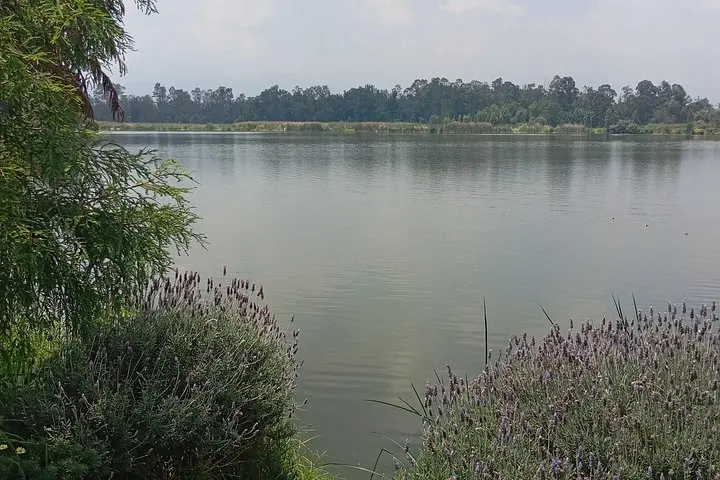
You step onto a painted trajinera as vendors call from neighboring boats, the wooden engine of the canal tugs give way to a slow, patient glide. Reeds brush the water; color and sound press close — laughing families, a mariachi tuning a trumpet, the clink of glasses as lunch is set out on cloth-draped tables.
Verified experiences and guided adventures in the surrounding area.
Operated by Carlos San Roman · Mexico City, Ciudad de México
You step onto a painted trajinera as vendors call from neighboring boats, the wooden engine of the canal tugs give way to a slow, patient glide. Reeds brush the water; color and sound press close — laughing families, a mariachi tuning a trumpet, the clink of glasses as lunch is set out on cloth-draped tables.
Xochimilco is the living remnant of an ancient lake system once ringed by chinampas — engineered, floating gardens developed long before the Aztec capital rose nearby. The canals cut through peat and silt laid down over millennia; today the waterways thread past plant nurseries and small farms whose histories are visible in the grid of narrow islands.
Culturally, a trajinera ride is equal parts relaxed sightseeing and popular ritual: music, food, and conversation. Guides explain chinampa agriculture, point out the endangered axolotl, and show flower nurseries that still supply Mexico City.
Practically, this private option trims the crowds: expect about four to five hours round-trip with hotel pickup included. The boat is flat-bottomed and low to the water — no fitness demands beyond steady footing — but sun and reflection intensify exposure, and the summer months bring afternoon storms.
Bring sun protection, a waterproof bag for phones, and small bills for vendors and musicians. Mornings are cooler and quieter; evenings carry more of the party atmosphere. Respect wildlife: don’t feed fish or salamanders, and use reef-safe sunscreen. A private trajinera is one of the most accessible, sensory ways to read Mexico City’s layered history while drifting on a living landscape.
Yes — the listing allows infants who must sit on an adult’s lap; family-friendly private boats make it easier to manage young children.
Possibly but not guaranteed — axolotls are elusive; guides may point to habitats and conservation projects where sightings are more likely.
Yes — the private trajinera option includes lunch and one drink served on board prepared by local cooks.
Accessibility is limited due to low, narrow boat decks and steps; contact the operator to discuss specific mobility needs and pickup logistics.
Carlos San Roman operates guided outdoor trips and adventures with an emphasis on safety, stewardship, and memorable experiences.

You step onto a painted trajinera as vendors call from neighboring boats, the wooden engine of the canal tugs give way to a slow, patient glide. Reeds brush the water; color and sound press close — laughing families, a mariachi tuning a trumpet, the clink of glasses as lunch is set out on cloth-draped tables.
You step onto a painted trajinera as vendors call from neighboring boats, the wooden engine of the canal tugs give way to a slow, patient glide. Reeds brush the water; color and sound press close — laughing families, a mariachi tuning a trumpet, the clink of glasses as lunch is set out on cloth-draped tables.
Xochimilco is the living remnant of an ancient lake system once ringed by chinampas — engineered, floating gardens developed long before the Aztec capital rose nearby. The canals cut through peat and silt laid down over millennia; today the waterways thread past plant nurseries and small farms whose histories are visible in the grid of narrow islands.
Culturally, a trajinera ride is equal parts relaxed sightseeing and popular ritual: music, food, and conversation. Guides explain chinampa agriculture, point out the endangered axolotl, and show flower nurseries that still supply Mexico City.
Practically, this private option trims the crowds: expect about four to five hours round-trip with hotel pickup included. The boat is flat-bottomed and low to the water — no fitness demands beyond steady footing — but sun and reflection intensify exposure, and the summer months bring afternoon storms.
Bring sun protection, a waterproof bag for phones, and small bills for vendors and musicians. Mornings are cooler and quieter; evenings carry more of the party atmosphere. Respect wildlife: don’t feed fish or salamanders, and use reef-safe sunscreen. A private trajinera is one of the most accessible, sensory ways to read Mexico City’s layered history while drifting on a living landscape.