THE ADVENTURE COLLECTIVE® · Independent discovery and booking for outdoor travel

A full-day, cross-border tour from Skopje that pairs the otherworldly chambers of Gadima Marble Cave with fast-paced sightseeing in Pristina and the historic lanes of Prizren. Expect cave coolness, Ottoman architecture, and several short walks.
A full-day, cross-border tour from Skopje that pairs the otherworldly chambers of Gadima Marble Cave with fast-paced sightseeing in Pristina and the historic lanes of Prizren. Expect cave coolness, Ottoman architecture, and several short walks.
You step into the van in Skopje as the city thins and the road pushes toward Kosovo—hills slip past like pages in a travel journal and the air sharpens around limestone outcrops. The first stop is Gadima (Marble) Cave: cool, dim corridors where crystallized stalactites and stalagmites have been assembling drop by patient drop for millions of years. Light from the walkway turns calcite into a pale, otherworldly map that seems to breathe.
Verified experiences and guided adventures in the surrounding area.
Operated by Experience Balkan · Skopje, Skopje
You step into the van in Skopje as the city thins and the road pushes toward Kosovo—hills slip past like pages in a travel journal and the air sharpens around limestone outcrops. The first stop is Gadima (Marble) Cave: cool, dim corridors where crystallized stalactites and stalagmites have been assembling drop by patient drop for millions of years. Light from the walkway turns calcite into a pale, otherworldly map that seems to breathe.
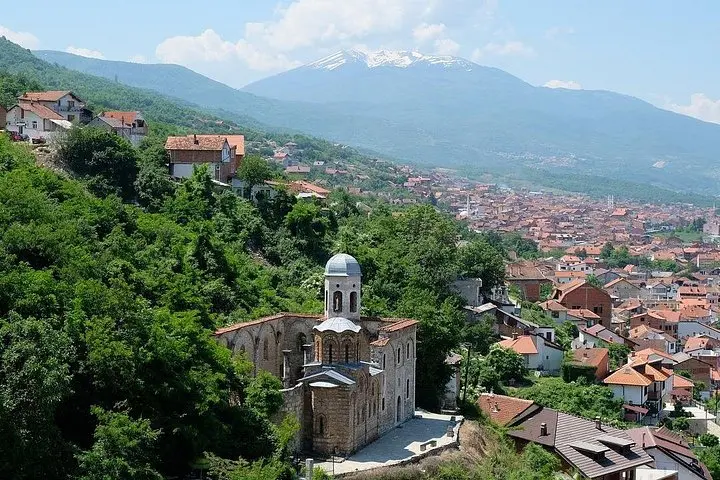
Back on the road, Pristina’s plazas and modern monuments tell a recent story of contested borders and cultural revival: the Newborn Monument, the Clock Tower and Mother Teresa Cathedral reflect layers of Ottoman, Yugoslav and contemporary identity. The tour then eases into Prizren, where a walkable old town folds into Ottoman-era stone lanes, the sinuous Stone Bridge, and the League of Prizren’s museum—sites that mark 19th-century political history and the town’s role as a regional crossroads.
Geologically, Gadima sits in Mesozoic marble limestone; its formations are fragile, so follow paths and barriers. Culturally, expect a mix of Albanian and Serbian heritage visible in mosques, churches, and civic architecture.
Practical guidance: this is a long, border-crossing day—bring passport and any required visas, comfortable walking shoes for uneven streets and cave steps, and a light jacket for the cave’s cool interior. Plan snacks or choose a local kafana in Prizren for lunch. The itinerary is paced as sightseeing with several short walks; if you prefer leisurely museum time, allow extra free time or a return visit. With straightforward planning, the tour blends subterranean geology and Balkan city life into a single, memorable day.
Visa requirements depend on your nationality—confirm entry rules and have your passport valid for travel; the tour operator will not obtain visas for you.
The open section has walkways and steps but is short and accessible—people in average health can manage the visit, though it is not wheelchair-accessible.
Lunch is not included; the itinerary includes time for a lunch or coffee break in Prizren with several local options available.
The tour price typically covers transport and guide services; individual admission fees to some sites may not be included—confirm with the operator on booking.
Experience Balkan operates guided outdoor trips and adventures with an emphasis on safety, stewardship, and memorable experiences.
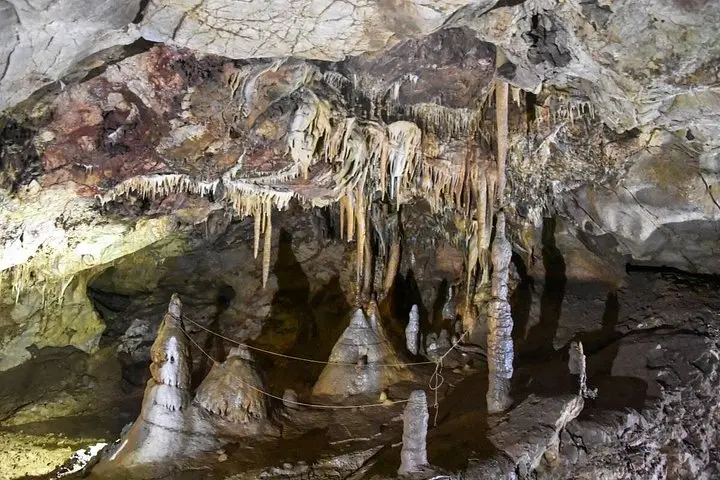
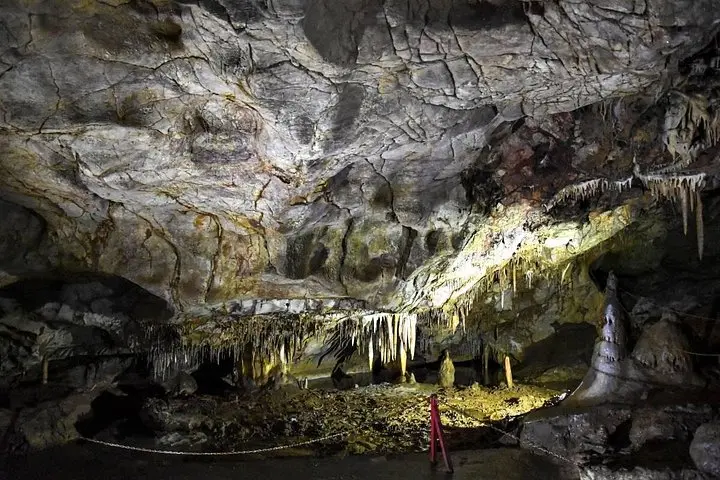
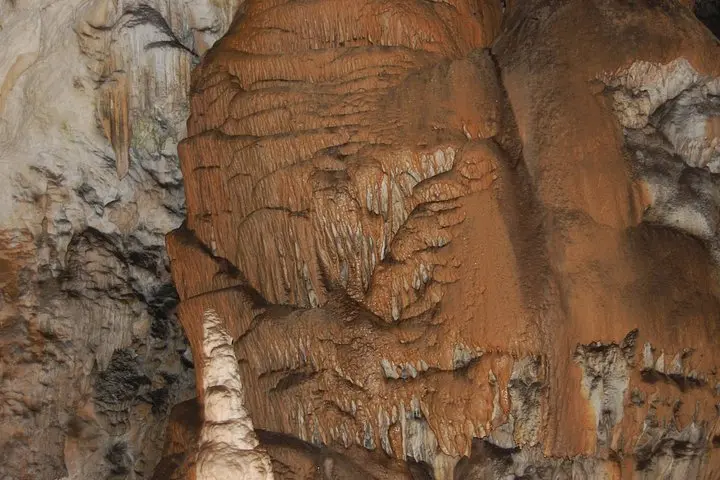
You step into the van in Skopje as the city thins and the road pushes toward Kosovo—hills slip past like pages in a travel journal and the air sharpens around limestone outcrops. The first stop is Gadima (Marble) Cave: cool, dim corridors where crystallized stalactites and stalagmites have been assembling drop by patient drop for millions of years. Light from the walkway turns calcite into a pale, otherworldly map that seems to breathe.
You step into the van in Skopje as the city thins and the road pushes toward Kosovo—hills slip past like pages in a travel journal and the air sharpens around limestone outcrops. The first stop is Gadima (Marble) Cave: cool, dim corridors where crystallized stalactites and stalagmites have been assembling drop by patient drop for millions of years. Light from the walkway turns calcite into a pale, otherworldly map that seems to breathe.
Back on the road, Pristina’s plazas and modern monuments tell a recent story of contested borders and cultural revival: the Newborn Monument, the Clock Tower and Mother Teresa Cathedral reflect layers of Ottoman, Yugoslav and contemporary identity. The tour then eases into Prizren, where a walkable old town folds into Ottoman-era stone lanes, the sinuous Stone Bridge, and the League of Prizren’s museum—sites that mark 19th-century political history and the town’s role as a regional crossroads.
Geologically, Gadima sits in Mesozoic marble limestone; its formations are fragile, so follow paths and barriers. Culturally, expect a mix of Albanian and Serbian heritage visible in mosques, churches, and civic architecture.
Practical guidance: this is a long, border-crossing day—bring passport and any required visas, comfortable walking shoes for uneven streets and cave steps, and a light jacket for the cave’s cool interior. Plan snacks or choose a local kafana in Prizren for lunch. The itinerary is paced as sightseeing with several short walks; if you prefer leisurely museum time, allow extra free time or a return visit. With straightforward planning, the tour blends subterranean geology and Balkan city life into a single, memorable day.