THE ADVENTURE COLLECTIVE® · Independent discovery and booking for outdoor travel

Three days of terraces, river crossings and Thai village homestays through Pu Luong Nature Reserve and Mai Chau. This guided trek mixes moderate climbs with cultural stays, offering close encounters with rice-country life and wide valley viewpoints.
Three days of terraces, river crossings and Thai village homestays through Pu Luong Nature Reserve and Mai Chau. This guided trek mixes moderate climbs with cultural stays, offering close encounters with rice-country life and wide valley viewpoints.
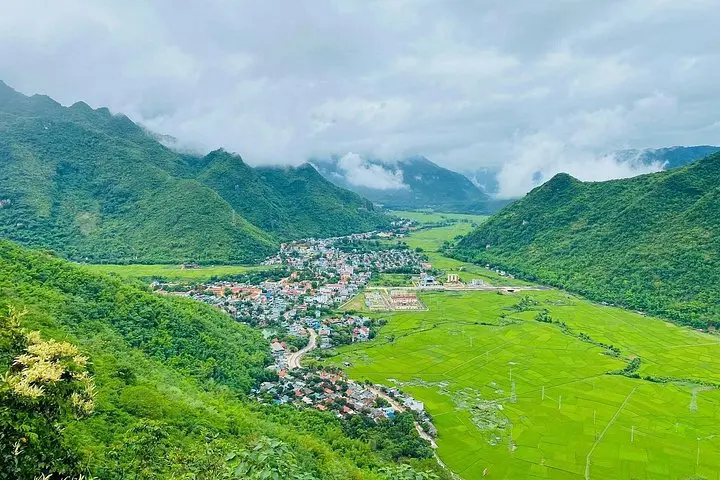
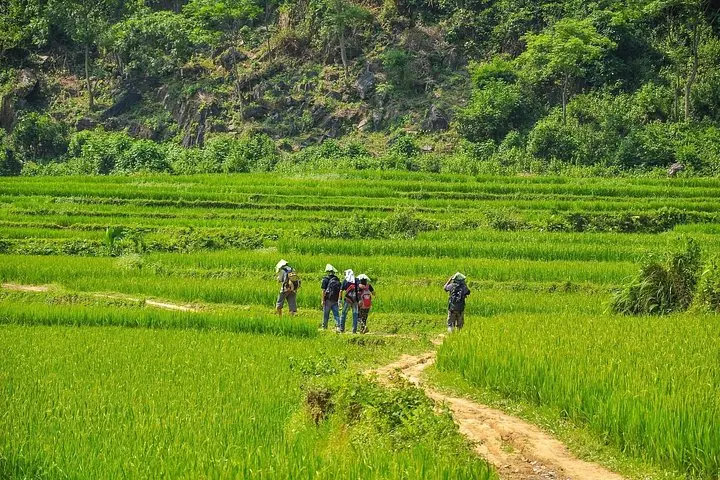
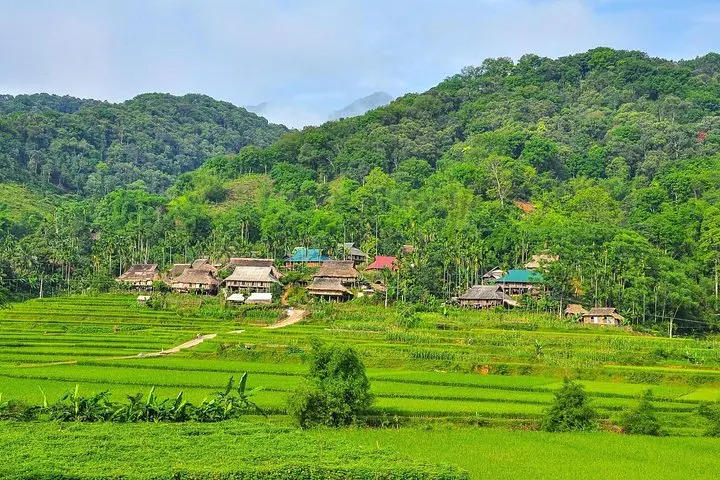
The first morning begins before the city has quite woken — a soft grey light over Hanoi, then a winding drive west into karst-shadowed valleys. By late morning the air has changed: cooler, scented with wet earth and young rice. You step off the minivan into a Pom Coong village where stilt houses stand like quiet sentries above narrow paths. From there the trail unspools: terraces stair-stepping toward the horizon, a stream daring you to cross, and a patchwork of small fields where women in conical hats bend like reeds.
Verified experiences and guided adventures in the surrounding area.
Operated by Mr Linh's Adventures · Mai Chau, Hoa Binh
The first morning begins before the city has quite woken — a soft grey light over Hanoi, then a winding drive west into karst-shadowed valleys. By late morning the air has changed: cooler, scented with wet earth and young rice. You step off the minivan into a Pom Coong village where stilt houses stand like quiet sentries above narrow paths. From there the trail unspools: terraces stair-stepping toward the horizon, a stream daring you to cross, and a patchwork of small fields where women in conical hats bend like reeds.
Pu Luong Nature Reserve is not a single summit but a sweep of limestone ridges, mixed evergreen forest and carved-in rice benches that mark centuries of human adaptation. Geology here is visible in cross-sections — cliffs of pale karst, sinkholes and steep ravines that guide trails and streams. The Thai and Muong communities that live in Mai Chau and Pu Luong maintain a rural rhythm: buffaloes lumbering along the track, threshing happening at dusk, house architecture raised on stilts to clear tidal runoff and provide cool storage.
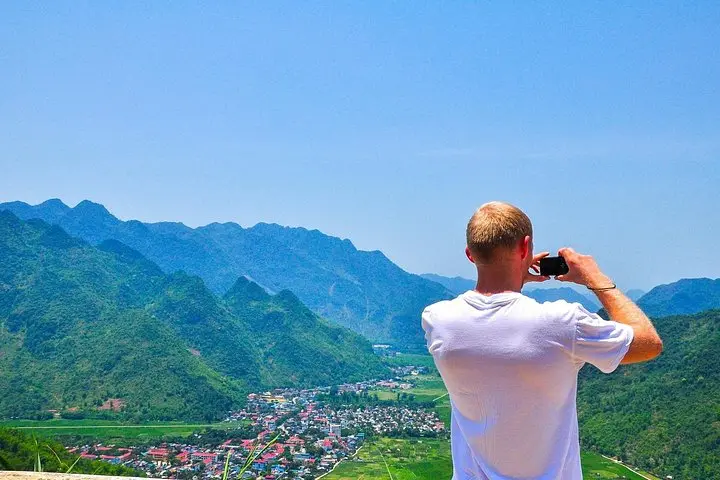
Day two pushes into true trekking: 12–15 kilometres through rainforest pockets, river crossings, and sustained climbs that reward you with wide valley views. You’ll reach Hin and Hieu villages for simple picnic lunches, and finally Kho Muong — an eco-homestay run in partnership with local conservation groups. Nights are spent in traditional Thai houses; meals mean rice, grilled fish, and conversation over a small fire. Guides share stories of the reserve’s wildlife and the slow efforts to balance tourism benefits with fragile habitats.
Practical edge: trails are mostly single-track with stone steps and muddy stretches after rain. Expect steep sections that require steady footing and basic scrambling over roots. Daily trekking ranges from short 5–7 km stretches on the final day to full 5–6 hour hikes on day two. Homestays are comfortable but rustic: bring layers, a small towel, and modest gifts if you want to show appreciation.
Plan for changing weather and insect seasonality. Carry a lightweight rain shell, at least 2–3 litres of water, and a daypack with snacks. Shoes with aggressive tread make river crossings and muddy ascents easier. Aim for the cooler mornings for photography and the late afternoons for softer light and quieter trails. For first-time international trekkers, this 3-day loop is an excellent introduction to community-based homestays, agricultural landscapes and lowland tropical trekking without technical ropework or high-altitude exposure.
Day two is the longest (5–6 hours, 12–15 km with sustained climbs and river crossings); days one and three are shorter and include village walks and 5–7 km hikes.
Accommodation is homestay-style in traditional Thai stilt houses—clean and basic with shared facilities and local meals provided.
Yes — operators require a current valid passport on the day of travel for identification and permits.
Yes — an English-speaking guide is included as per the program.
Not recommended for travelers with serious spinal or cardiovascular issues due to steep terrain and river crossings; discuss specifics with the operator beforehand.
Meals are prepared locally and included; bring a refillable bottle and use treated or boiled water provided by guides where possible.
Mr Linh's Adventures operates guided outdoor trips and adventures with an emphasis on safety, stewardship, and memorable experiences.
The first morning begins before the city has quite woken — a soft grey light over Hanoi, then a winding drive west into karst-shadowed valleys. By late morning the air has changed: cooler, scented with wet earth and young rice. You step off the minivan into a Pom Coong village where stilt houses stand like quiet sentries above narrow paths. From there the trail unspools: terraces stair-stepping toward the horizon, a stream daring you to cross, and a patchwork of small fields where women in conical hats bend like reeds.
The first morning begins before the city has quite woken — a soft grey light over Hanoi, then a winding drive west into karst-shadowed valleys. By late morning the air has changed: cooler, scented with wet earth and young rice. You step off the minivan into a Pom Coong village where stilt houses stand like quiet sentries above narrow paths. From there the trail unspools: terraces stair-stepping toward the horizon, a stream daring you to cross, and a patchwork of small fields where women in conical hats bend like reeds.
Pu Luong Nature Reserve is not a single summit but a sweep of limestone ridges, mixed evergreen forest and carved-in rice benches that mark centuries of human adaptation. Geology here is visible in cross-sections — cliffs of pale karst, sinkholes and steep ravines that guide trails and streams. The Thai and Muong communities that live in Mai Chau and Pu Luong maintain a rural rhythm: buffaloes lumbering along the track, threshing happening at dusk, house architecture raised on stilts to clear tidal runoff and provide cool storage.
Day two pushes into true trekking: 12–15 kilometres through rainforest pockets, river crossings, and sustained climbs that reward you with wide valley views. You’ll reach Hin and Hieu villages for simple picnic lunches, and finally Kho Muong — an eco-homestay run in partnership with local conservation groups. Nights are spent in traditional Thai houses; meals mean rice, grilled fish, and conversation over a small fire. Guides share stories of the reserve’s wildlife and the slow efforts to balance tourism benefits with fragile habitats.
Practical edge: trails are mostly single-track with stone steps and muddy stretches after rain. Expect steep sections that require steady footing and basic scrambling over roots. Daily trekking ranges from short 5–7 km stretches on the final day to full 5–6 hour hikes on day two. Homestays are comfortable but rustic: bring layers, a small towel, and modest gifts if you want to show appreciation.
Plan for changing weather and insect seasonality. Carry a lightweight rain shell, at least 2–3 litres of water, and a daypack with snacks. Shoes with aggressive tread make river crossings and muddy ascents easier. Aim for the cooler mornings for photography and the late afternoons for softer light and quieter trails. For first-time international trekkers, this 3-day loop is an excellent introduction to community-based homestays, agricultural landscapes and lowland tropical trekking without technical ropework or high-altitude exposure.